
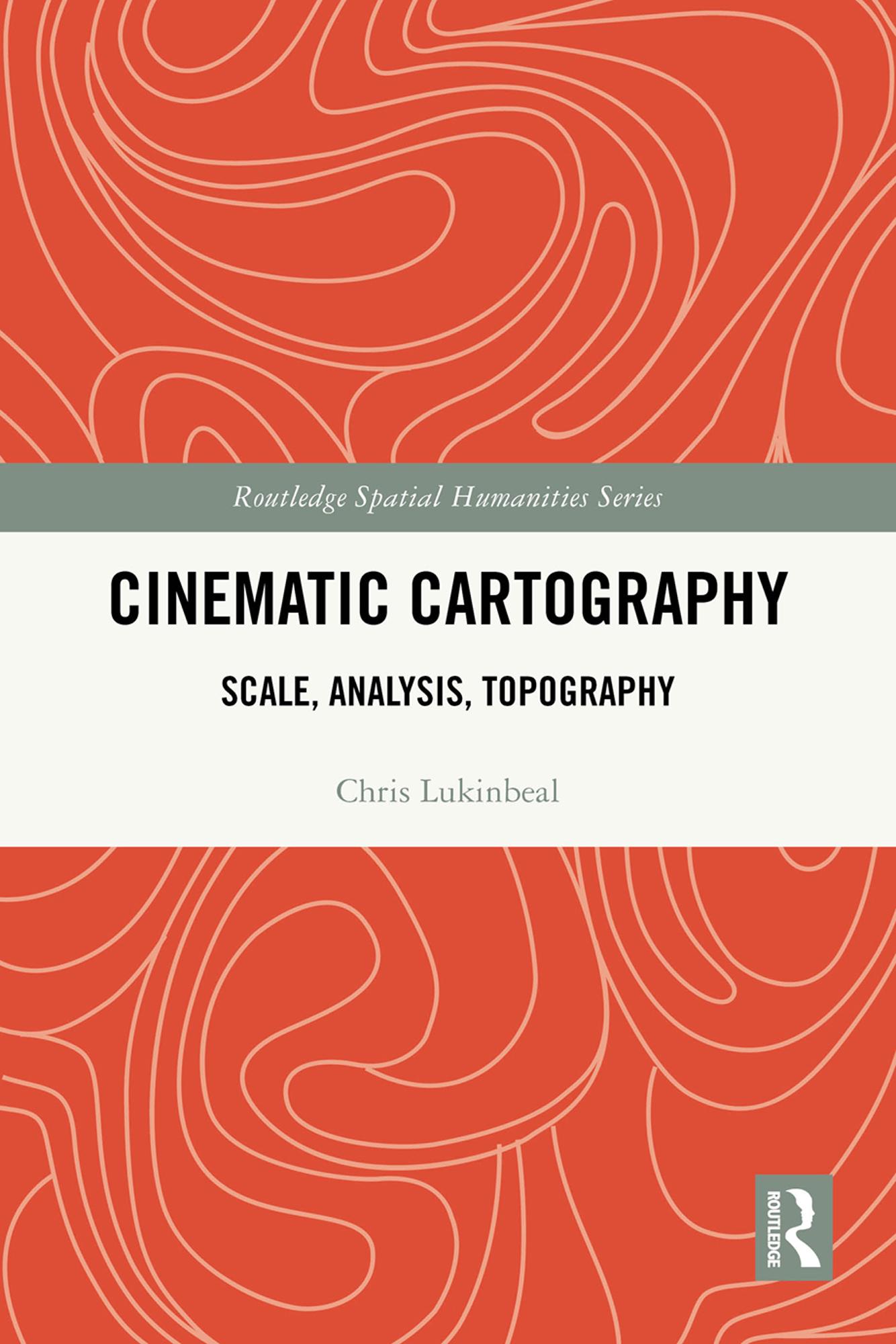
This book uniquely bridges the conceptual gap between the history of geographic, cartographic thought, and film theory with the technological and cultural shifts that shaped the emergence of cameras and cinema.
Adorned with illustrative figures, examples, and case studies throughout, the book explores how cinema lends itself to cartography and, in turn, how cartography relates to both the individual and collective experience of cinema. By using cartography to understand space and scale in film, the book moves away from textual analysis or representation analysis to focus on the locational attribution of the sites where the cinematic landscape is being produced. It contends that viewers of moving images are active players in a complex network of cultural and mental geographies.
This volume is essential reading for students, scholars, and academics of cinematography, human, cultural, and social geography, cartography, and media studies, as well as those interested in these areas more generally.
Betal nemt med kort, Klarna, Apple Pay eller Google Pay. Ikke tilfreds? Du har altid 14 dages fortrydelsesret. Læs mere i vores vilkår. Har du spørgsmål, så send os en mail på hello@memmo.org.
Memmo gør det nemmere at studere – uanset hvor du er i verden. Hos os samler du dine kursusbøger og smarte studieværktøjer ét sted: resuméer, quizzer, podcasts og flashcards. Og så er der Ted, din studieven, der svarer på alt, du undrer dig over. Over 50 000 studerende studerer allerede her – bygget til at hjælpe dig med at lære hurtigere og stresse mindre.