
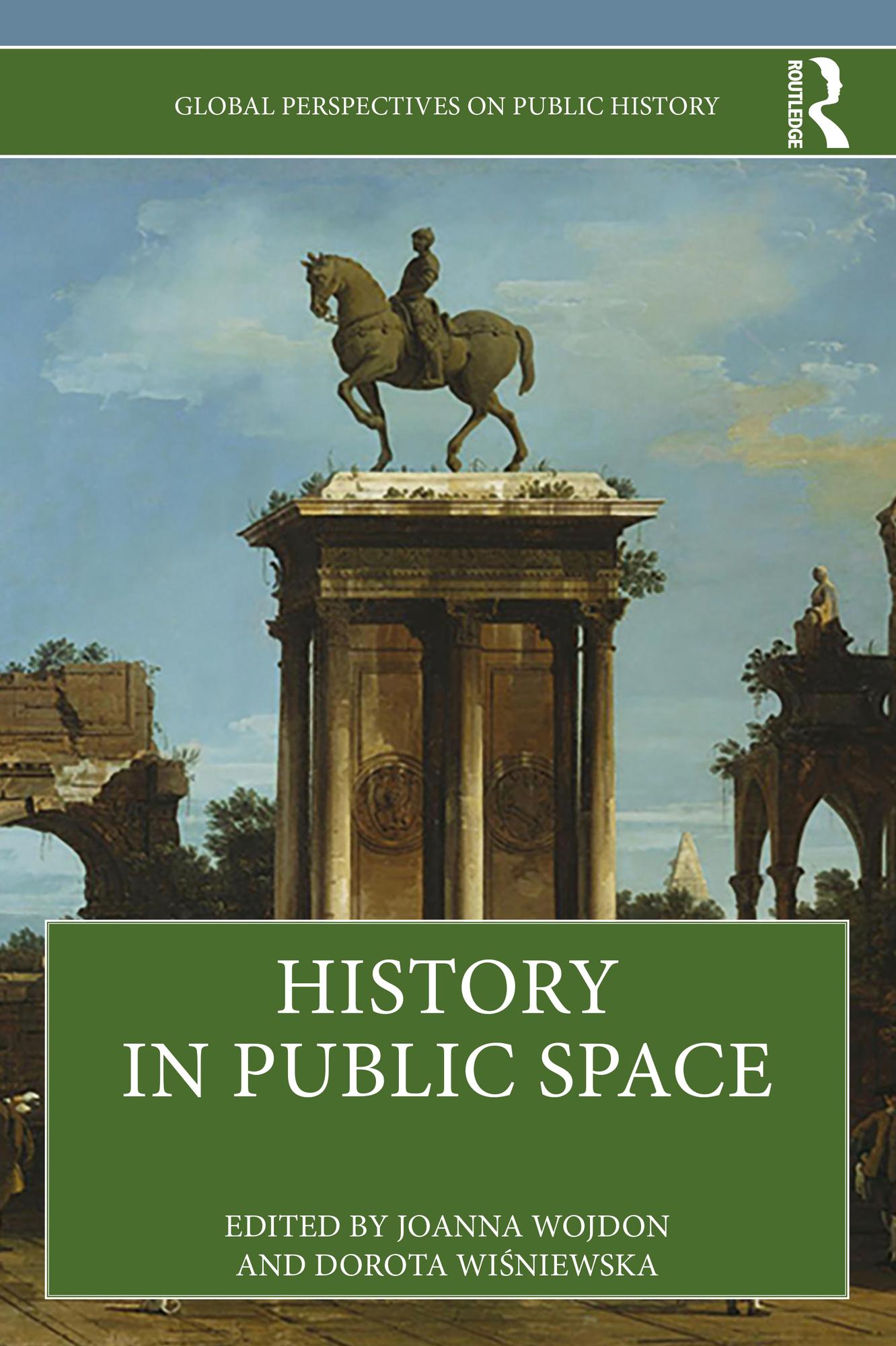
This book focuses on various manifestations of history in public spaces: in the physical ones of various historical times and geographical places, as well as in the virtual world.
It discusses how the spaces have been shaped and re-shaped, by whom and for what (not always laudable) purposes, and raises pragmatical and ethical questions for both research and practical activities in the field. By combining both micro and global perspectives, the universal role that history plays in spaces created by and for, as well as the factors determining its usages, is revealed. The authors are rooted in specific national contexts: Canadian or American, Ukrainian or Polish, British or Irish, German or Luxembourgish, Korean or Brazilian, and the case studies are varied including large cities and small towns, city centers, and godforsaken cemeteries, but the narratives built on these cases go beyond when they deal with issues such as decoding history and its meanings in public spaces, doing history in public spaces, and observing changes in manifestations of history in public spaces.
This volume is an essential resource for anyone interested in the relationship between history and public space in a global perspective.
Betal nemt med kort, Klarna, Apple Pay eller Google Pay. Ikke tilfreds? Du har altid 14 dages fortrydelsesret. Læs mere i vores vilkår. Har du spørgsmål, så send os en mail på hello@memmo.org.
Memmo gør det nemmere at studere – uanset hvor du er i verden. Hos os samler du dine kursusbøger og smarte studieværktøjer ét sted: resuméer, quizzer, podcasts og flashcards. Og så er der Ted, din studieven, der svarer på alt, du undrer dig over. Over 50 000 studerende studerer allerede her – bygget til at hjælpe dig med at lære hurtigere og stresse mindre.