
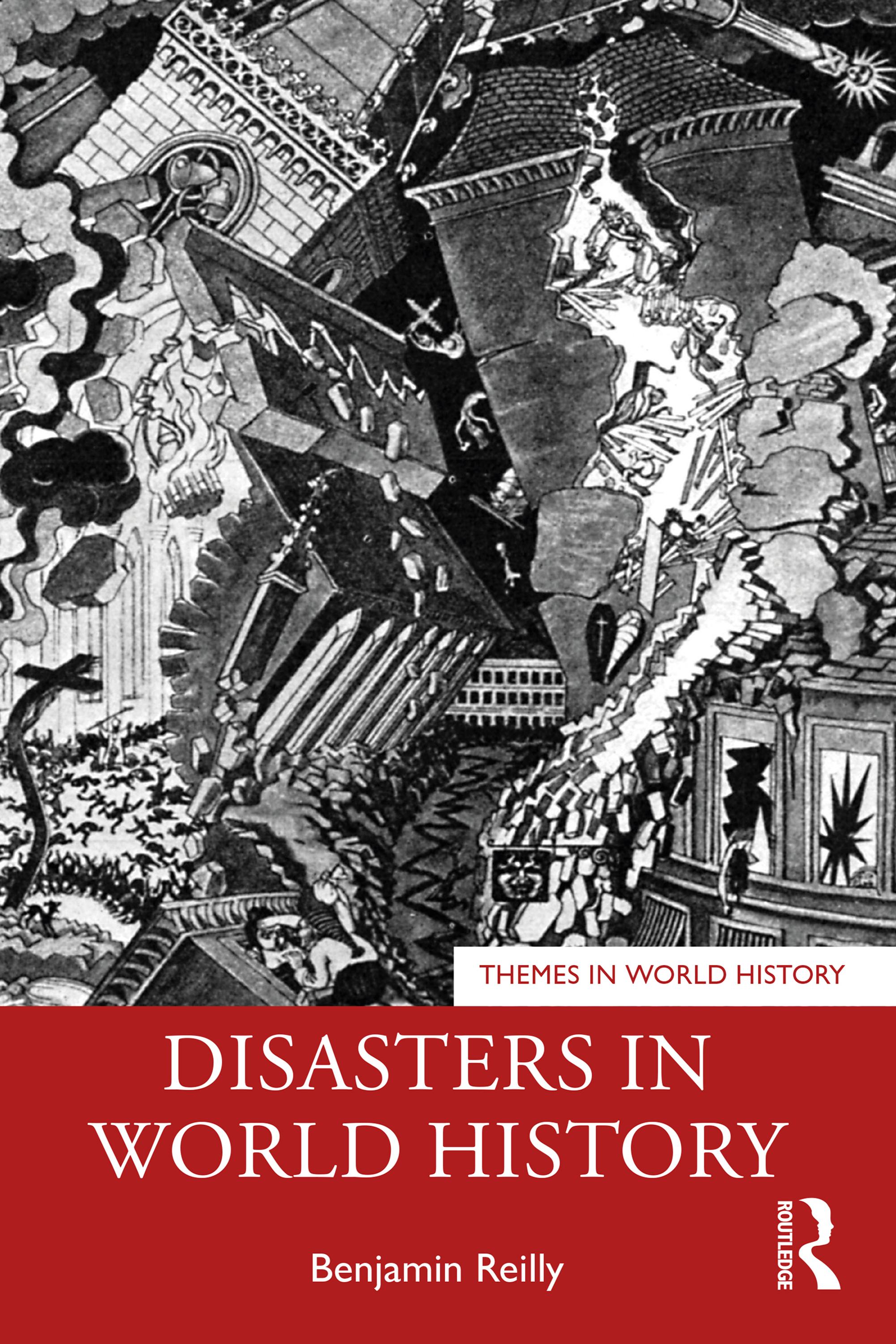
Disasters in World History surveys the development of disaster studies as a discipline as well as presenting historical case studies and theories used by historians to understand disasters. Disasters, here defined as the complex interaction between natural hazards and specific human vulnerabilities, have frequently left a mark on human history. Cataclysms have toppled dynasties, fueled massacres, and shaped the culture of societies frequently affected by natural hazards. This volume fosters understanding of such events by considering both social science theory and the natural science concepts relevant to disaster studies. In addition, the text makes heavy use of an emerging psychological theory relevant to disaster studies: the behavioral immune system, which helps to explain why xenophobic behavior and even violence often erupt in the aftermath of disasters. Chapters consider specific examples of disasters: earthquakes, tsunamis, volcanic eruptions, climate change (including modern anthropogenic climate change or global warming), and tropical cyclones.
This book is an accessible resource, ideal for undergraduates and instructors in world history, environmental history, and disaster studies courses.
Betal nemt med kort, Klarna, Apple Pay eller Google Pay. Ikke tilfreds? Du har altid 14 dages fortrydelsesret. Læs mere i vores vilkår. Har du spørgsmål, så send os en mail på hello@memmo.org.
Memmo gør det nemmere at studere – uanset hvor du er i verden. Hos os samler du dine kursusbøger og smarte studieværktøjer ét sted: resuméer, quizzer, podcasts og flashcards. Og så er der Ted, din studieven, der svarer på alt, du undrer dig over. Over 50 000 studerende studerer allerede her – bygget til at hjælpe dig med at lære hurtigere og stresse mindre.