
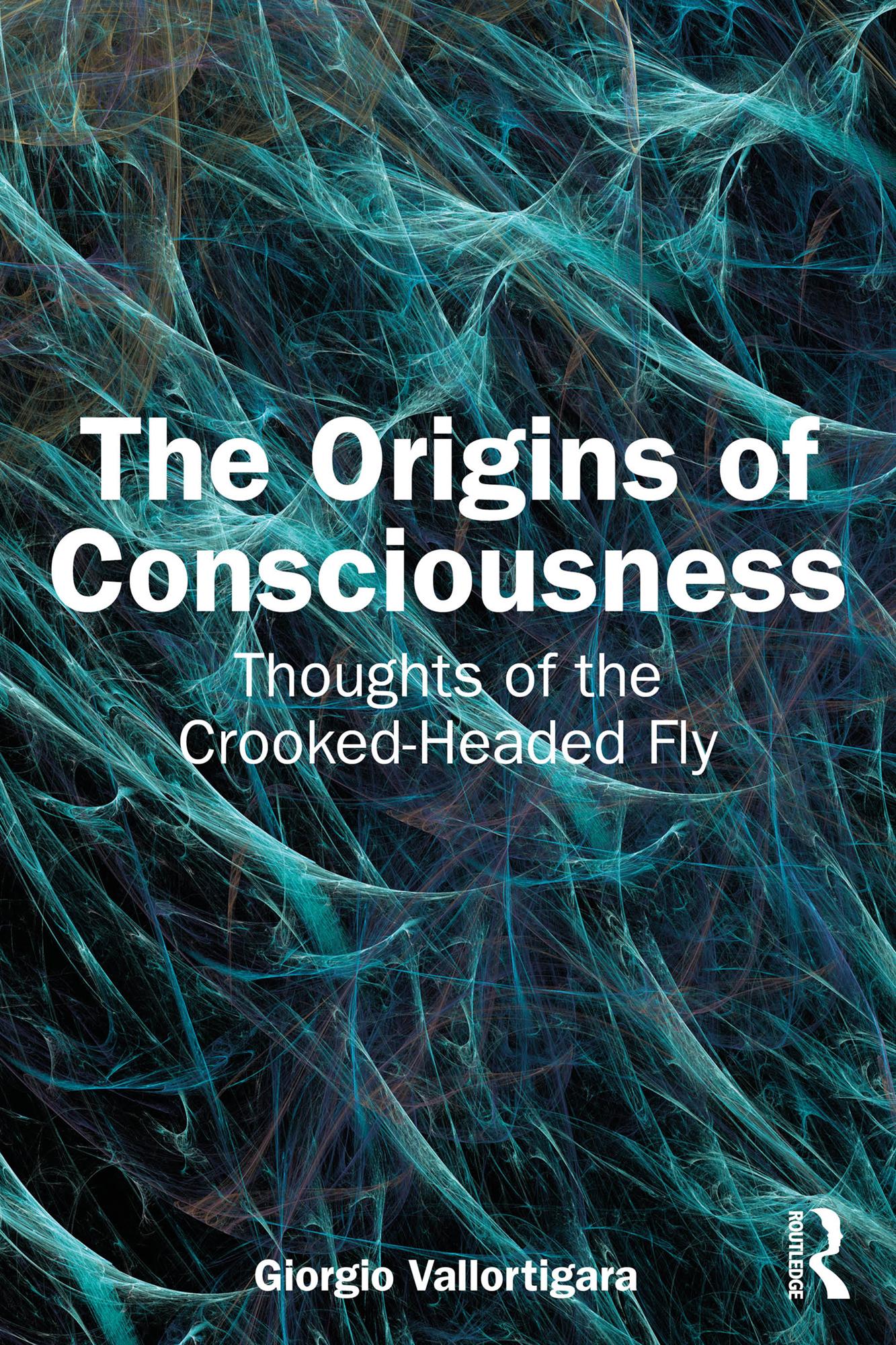
The Origins of Consciousness challenges the dominant view that consciousness is an emergent property of the complex human brain.
Based on his pioneering research on a variety of organisms, Vallortigara argues that the most basic forms of mental life do not require large brains, and that the neurological surplus observed in some animals such as humans is likely at the service of memory storage, not of the processes of thought or, even less, of consciousness. The book argues for a simple neural mechanism that can provide the crucial event that brings into effect the minimum condition for subjective experience. Implications of the hypothesis for the appearance of consciousness in different organisms are discussed, as well as links with a variety of fascinating human phenomena such as disorders of consciousness, tickling and visual illusions.
Challenging widely accepted theories of consciousness, the book is a must-read for students and researchers of human and animal consciousness.
Betal nemt med kort, Klarna, Apple Pay eller Google Pay. Ikke tilfreds? Du har altid 14 dages fortrydelsesret. Læs mere i vores vilkår. Har du spørgsmål, så send os en mail på hello@memmo.org.
Memmo gør det nemmere at studere – uanset hvor du er i verden. Hos os samler du dine kursusbøger og smarte studieværktøjer ét sted: resuméer, quizzer, podcasts og flashcards. Og så er der Ted, din studieven, der svarer på alt, du undrer dig over. Over 50 000 studerende studerer allerede her – bygget til at hjælpe dig med at lære hurtigere og stresse mindre.