
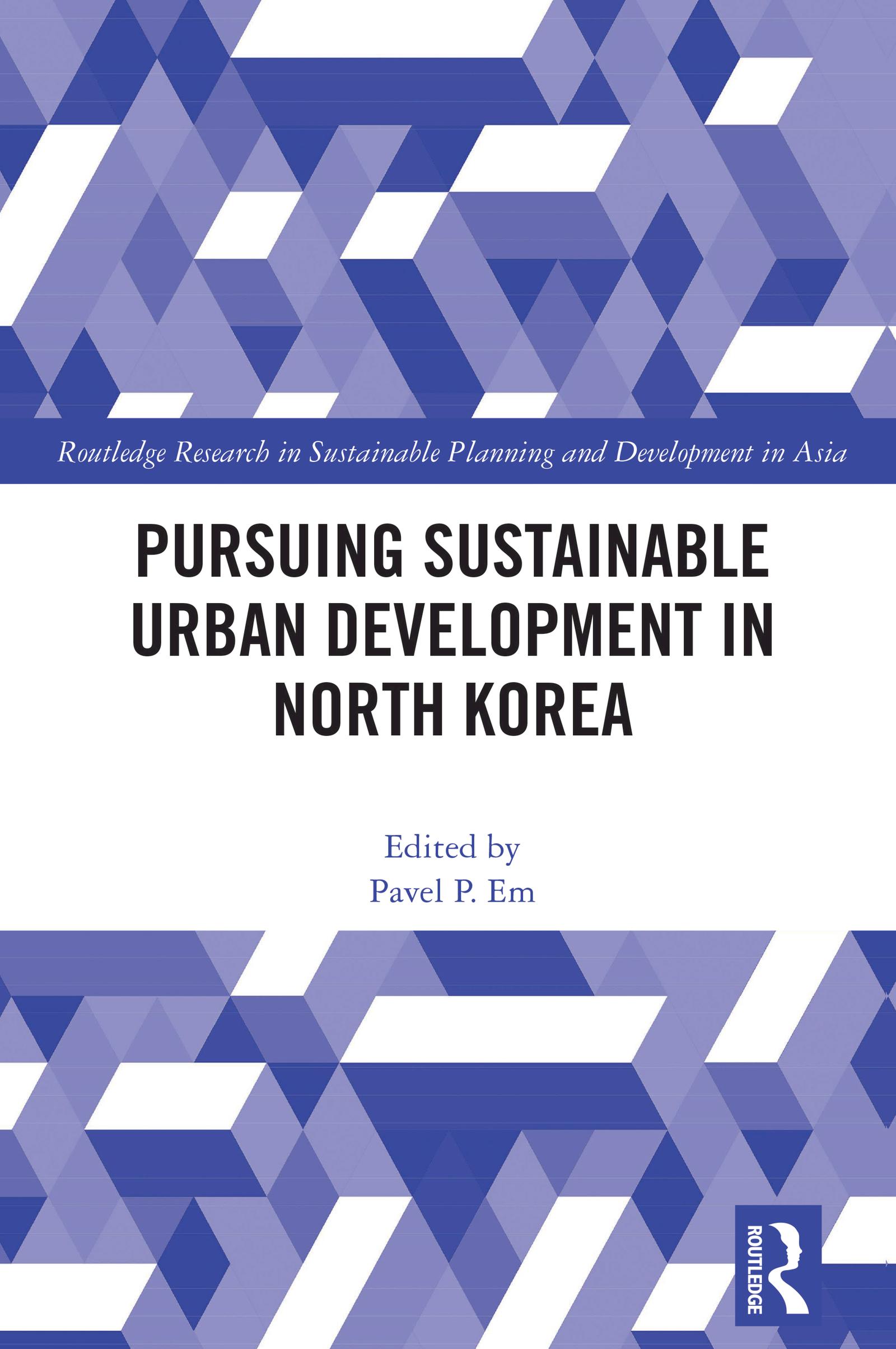
This volume employs an urban lens to provide a critical analysis of the North Korean style of sustainable urban development in the face of severe sanctions and a scarcity of vital resources.
With a focus on five major areas—population, economics, architecture, urban planning, and culture—the authors examine the preconditions that led to the emergence of ideas related to urban sustainability, assess and reassess the trends in sustainable development brought about by market forces, and recommend paths for their further intensification. Since this work covers a variety of topics, ranging from geomancy and social control to economic issues and green architecture (both locally and in comparison with European post-socialist cities and South Korea), it will point to lessons that other countries could learn from.
This book will be a valuable reference for scholars, researchers, students, and the general public who have a regional interest in North Korea, Korean unification, and East Asia as a whole; and/or a topical interest in urban studies, urban sustainability, and post-socialist urban transformation.
Betal nemt med kort, Klarna, Apple Pay eller Google Pay. Ikke tilfreds? Du har altid 14 dages fortrydelsesret. Læs mere i vores vilkår. Har du spørgsmål, så send os en mail på hello@memmo.org.
Memmo gør det nemmere at studere – uanset hvor du er i verden. Hos os samler du dine kursusbøger og smarte studieværktøjer ét sted: resuméer, quizzer, podcasts og flashcards. Og så er der Ted, din studieven, der svarer på alt, du undrer dig over. Over 50 000 studerende studerer allerede her – bygget til at hjælpe dig med at lære hurtigere og stresse mindre.