
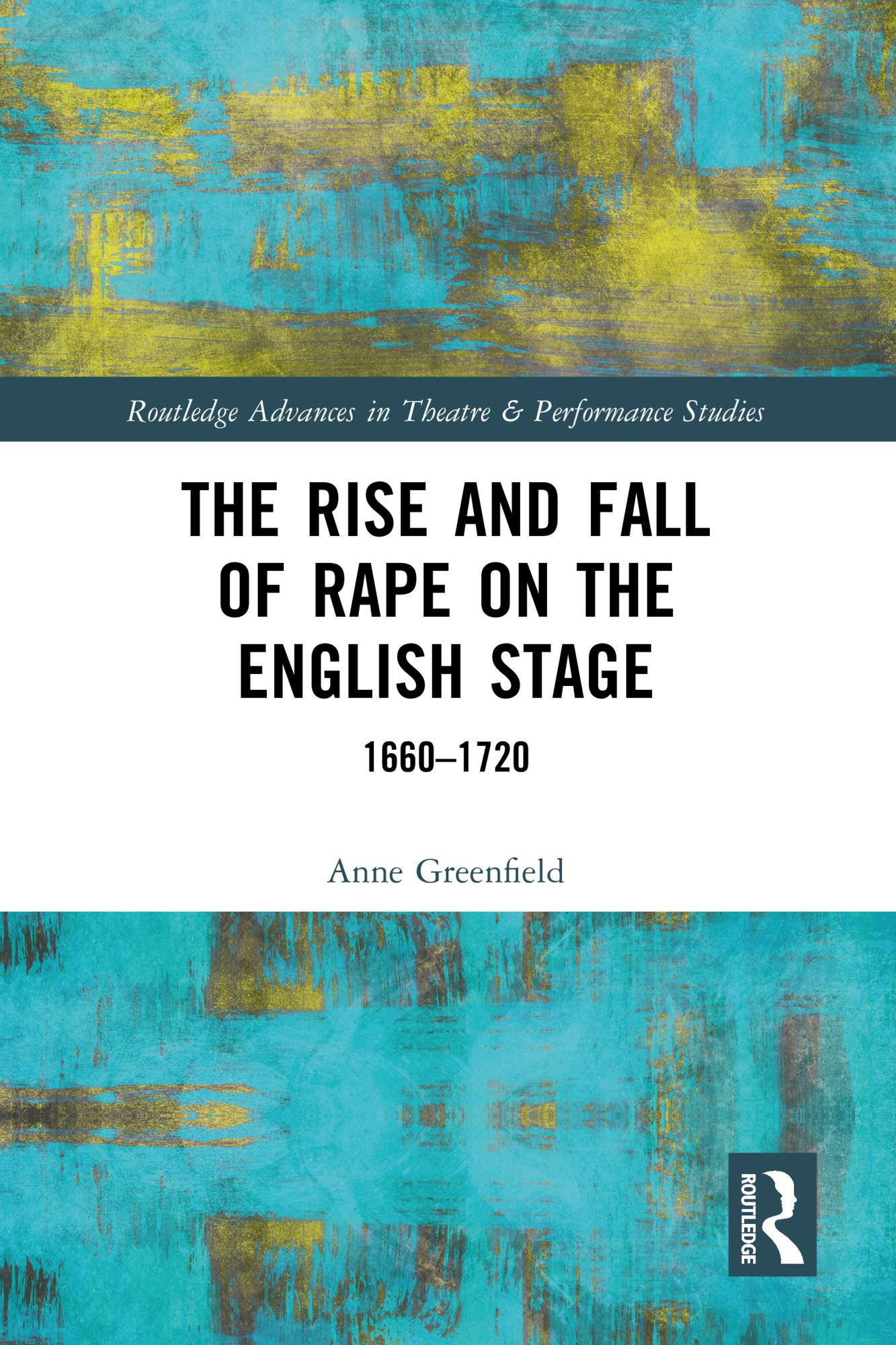
This book examines one of the most pervasive and successful dramatic tropes of the Restoration and early eighteenth century: sexual violence.
During this sixty-year span, there were over fifty tragic and tragi-comedic productions that showcased rape and/or attempted rape—a remarkable number that was unprecedented in English dramatic history. Rape was not merely depicted more frequently during the Restoration, but it was also placed at the center of more plots, given more pathetic emphasis, and even staged more centrally. Restoration dramatists were the first to revolve routinely entire plots around the rapes of their innocent heroines, to give powerful voices to these heroines post-rape, and to imbue their sexually violent scenes with new and attention-getting staging techniques, such as discovery scenes. As this book argues, sexual violence emerged at this time as a highly flexible dramatic trope that could be used to illustrate terrifying political scenarios, elicit extreme pathos in audiences, and demonstrate the bearing that lost chastity had on social stability. It is precisely the rich, multi-faceted appeal of these productions—politically, sexually, visually, and culturally—that explains the popularity and significance of this dramatic trope on the English stage.
This book will be of interest to students and scholars in Restoration, eighteenth-century studies, and theatre and performance studies.
Betal nemt med kort, Klarna, Apple Pay eller Google Pay. Ikke tilfreds? Du har altid 14 dages fortrydelsesret. Læs mere i vores vilkår. Har du spørgsmål, så send os en mail på hello@memmo.org.
Memmo gør det nemmere at studere – uanset hvor du er i verden. Hos os samler du dine kursusbøger og smarte studieværktøjer ét sted: resuméer, quizzer, podcasts og flashcards. Og så er der Ted, din studieven, der svarer på alt, du undrer dig over. Over 50 000 studerende studerer allerede her – bygget til at hjælpe dig med at lære hurtigere og stresse mindre.