
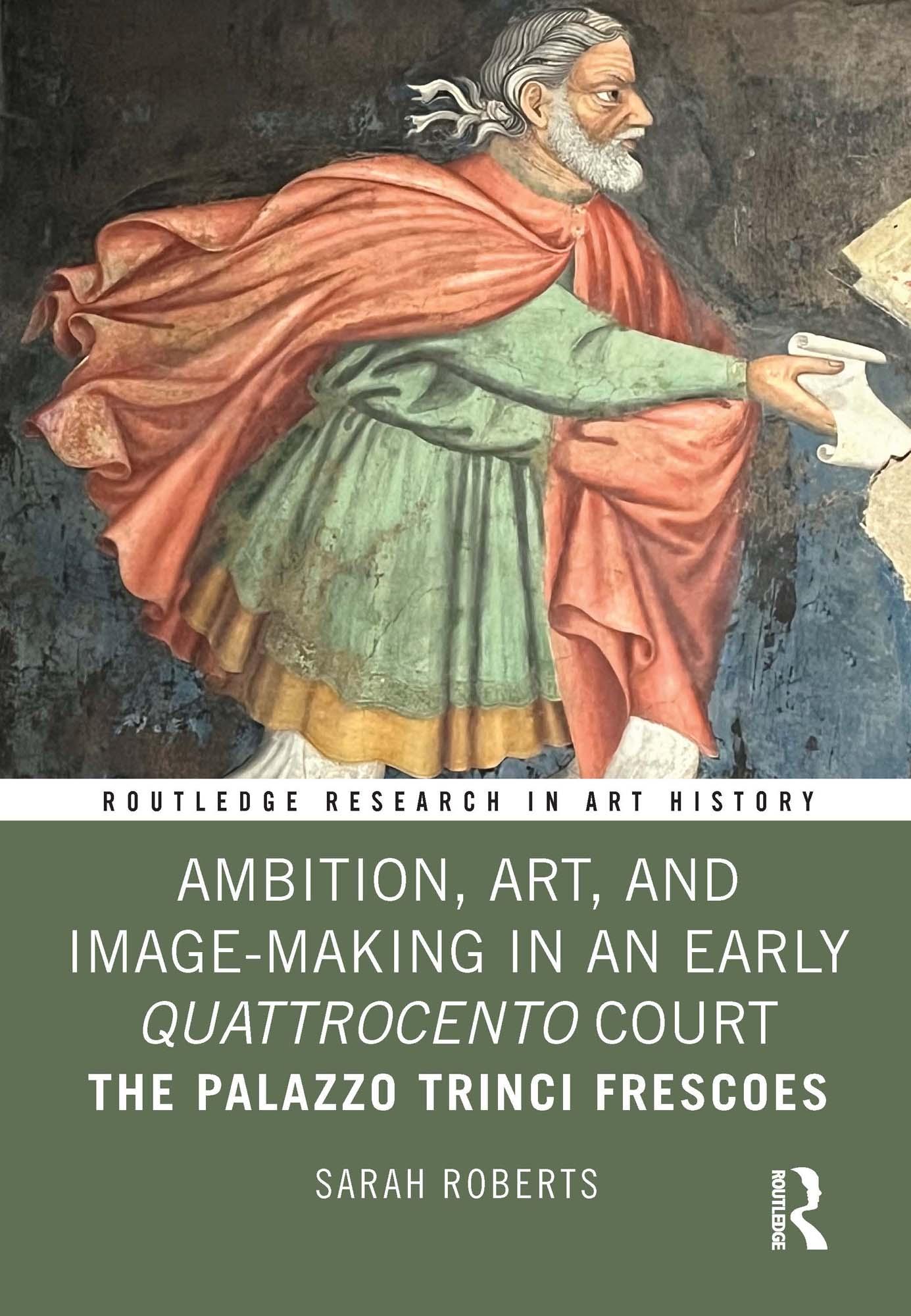
This study provides new interpretations of the little-known but fascinating Palazzo Trinci frescoes, relating them for the first time both to their physical context and to their social, political, and cultural environment.
Chapters show how a humanist agenda subverted the historical and mythical associations more frequently used to promote powerful families, to point the Trinci family in new directions. It also shows how the artists involved adapted established civic, religious, and chivalric imagery in support of these ideas. The book argues that the resulting decorations are highly unusual for the period, in their serious political and social purpose. Positioning the Trinci as bringers of peace, not war, the family is now associated with culture and education and presented as willing to encourage debate about the character of the virtuous ruler and the nature of good government.
The book will be of interest to scholars working in art history and Renaissance studies.
Betal nemt med kort, Klarna, Apple Pay eller Google Pay. Ikke tilfreds? Du har altid 14 dages fortrydelsesret. Læs mere i vores vilkår. Har du spørgsmål, så send os en mail på hello@memmo.org.
Memmo gør det nemmere at studere – uanset hvor du er i verden. Hos os samler du dine kursusbøger og smarte studieværktøjer ét sted: resuméer, quizzer, podcasts og flashcards. Og så er der Ted, din studieven, der svarer på alt, du undrer dig over. Over 50 000 studerende studerer allerede her – bygget til at hjælpe dig med at lære hurtigere og stresse mindre.