
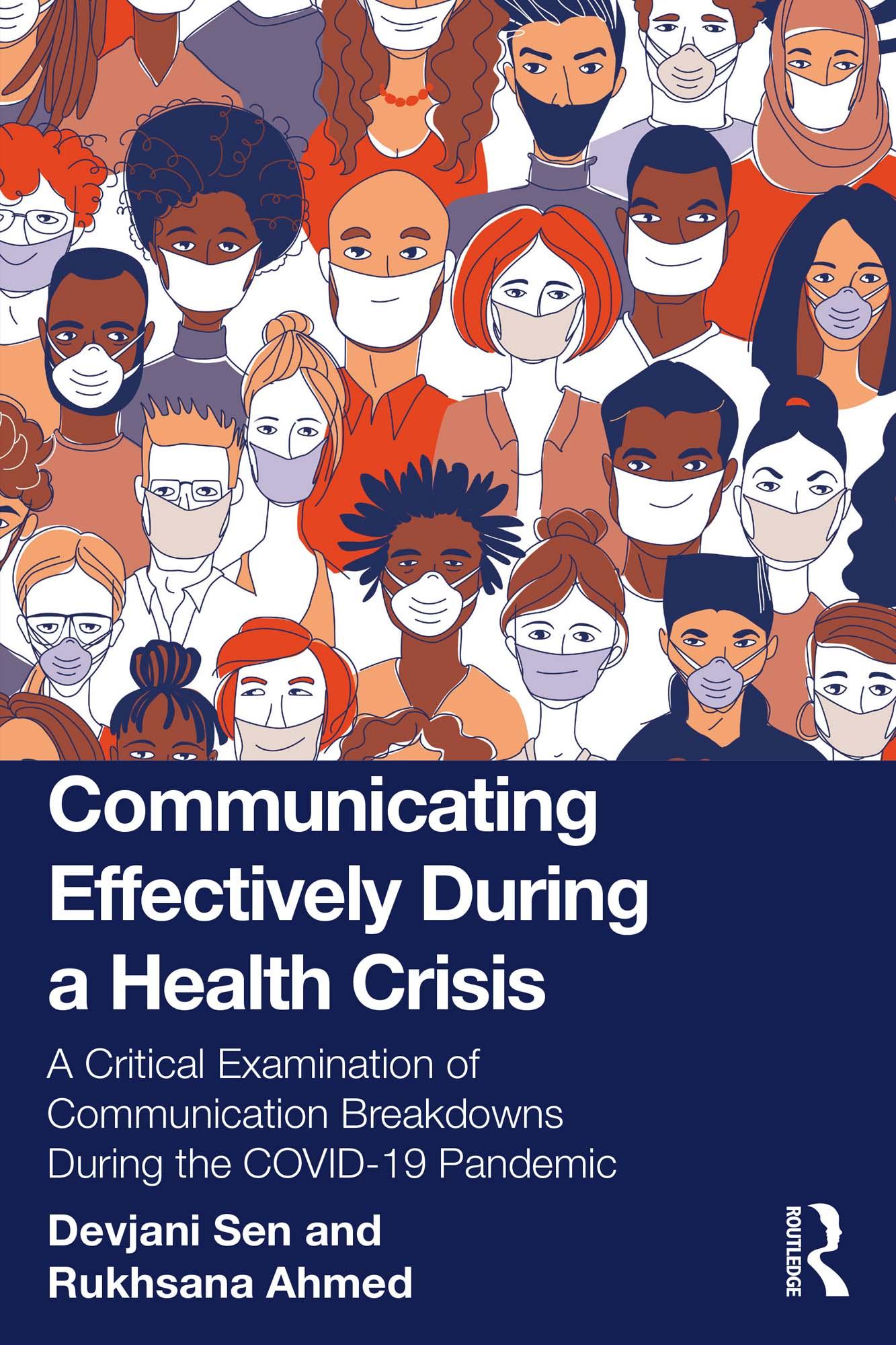
Exploring how and why communication breakdowns occur during pandemics and world disasters, this book offers solutions for improving communication and managing future public health crises.
A compilation of evidence-based lessons learned, this book shows how to effectively convey critical lifesaving information during a pandemic. It assesses how trust in leaders and governments during a public health crisis is formed and the impact this has on how information is perceived by the public. Using the COVID-19 pandemic as a case study, the book demonstrates how informative policy decisions and health risk messages can be better communicated for the handling of future pandemics. At a macro-level, the book looks at issues concerning situational awareness, how different countries managed or mismanaged the pandemic, and the lessons readers can learn from those occurrences. At a micro-level, it examines individual differences in public health message perceptions and corresponding actions taken or not taken.
An interdisciplinary critique of the delivery and reception of messages during global disasters, this text is suitable for undergraduate and graduate courses in Communication Studies, Health Communication, Risk Communication and Public Health, Psychology, Sociology, and Disaster Management.
Betal nemt med kort, Klarna, Apple Pay eller Google Pay. Ikke tilfreds? Du har altid 14 dages fortrydelsesret. Læs mere i vores vilkår. Har du spørgsmål, så send os en mail på hello@memmo.org.
Memmo gør det nemmere at studere – uanset hvor du er i verden. Hos os samler du dine kursusbøger og smarte studieværktøjer ét sted: resuméer, quizzer, podcasts og flashcards. Og så er der Ted, din studieven, der svarer på alt, du undrer dig over. Over 50 000 studerende studerer allerede her – bygget til at hjælpe dig med at lære hurtigere og stresse mindre.