
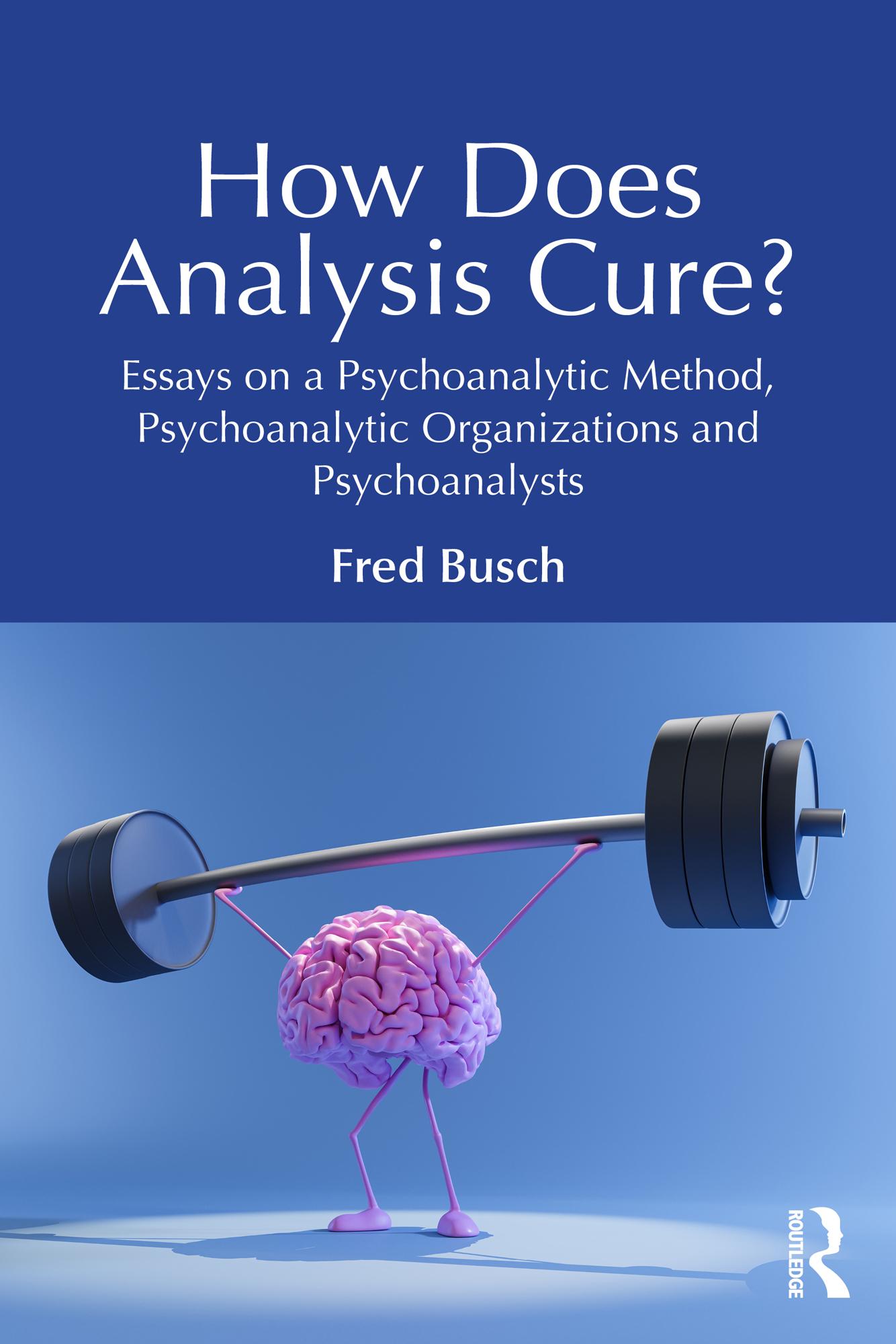
Building upon 50 years of clinical experience, Fred Busch addresses a central question facing all psychoanalysts: What is essential to a psychoanalytic curative process, and what are the methods of working that can bring this about?
This book investigates the analytic relationship as a process of giving patients the freedom to think the unthinkable (to build representations) and change repeated patterns of action into the possibility of reflection. This entails careful examination of central psychoanalytic concepts such as transference, resistances, and the ethics of countertransference as a guide to a patient’s unconscious, in addition to newer ideas, such as the notion of the analyst as a memory keeper of patients’ lost objects. In its final part, the book presents observations on how analysts function as part of analytic organizations, and the various roles they take on to develop an “analytic identity”.
Continuing decades of significant theoretical work on clinical concepts, this book offers a unique perspective on how psychoanalysts and psychotherapists can work effectively to achieve the best possible outcomes for their patients.
Betal nemt med kort, Klarna, Apple Pay eller Google Pay. Ikke tilfreds? Du har altid 14 dages fortrydelsesret. Læs mere i vores vilkår. Har du spørgsmål, så send os en mail på hello@memmo.org.
Memmo gør det nemmere at studere – uanset hvor du er i verden. Hos os samler du dine kursusbøger og smarte studieværktøjer ét sted: resuméer, quizzer, podcasts og flashcards. Og så er der Ted, din studieven, der svarer på alt, du undrer dig over. Over 50 000 studerende studerer allerede her – bygget til at hjælpe dig med at lære hurtigere og stresse mindre.