
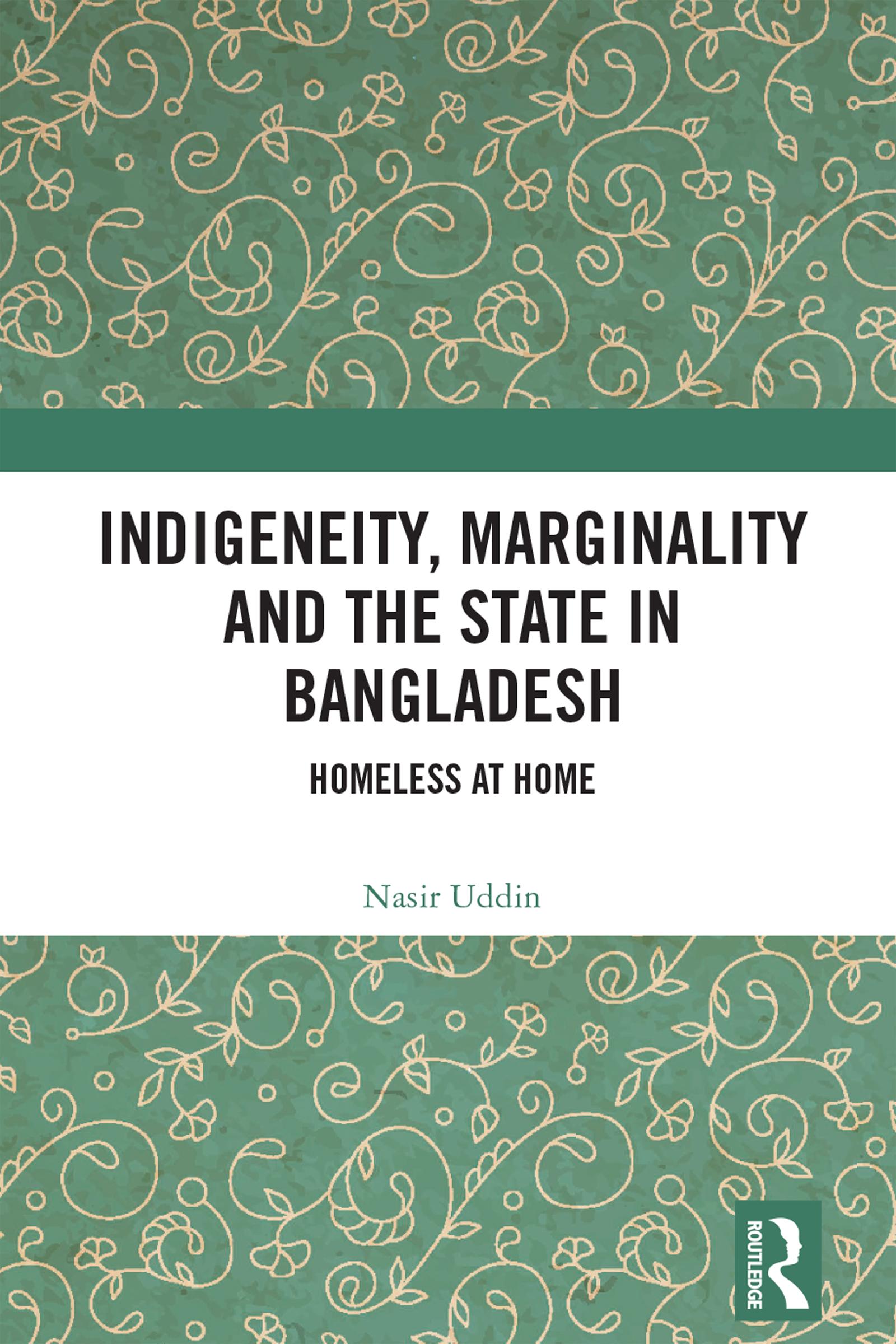
This book explores the critical linkages between indigeneity, marginality, and the state in Bangladesh. Indigeneity is progressively gaining currency in politics and thereby becoming an active force in the larger context of national activism with transnational patronage and international support. Drawing on comprehensive and solid ethnographic accounts, the book offers a broader understanding of the process of marginalisation and the emergence of new leadership among the Khumi, an indigenous group of Bangladesh. It illuminates how the Khumi have realised their position on the margin of the state within the socio-economic, political, and ethnic history of the Chittagong Hill Tracts. It also looks at how kin-based social organisations and non-kin-based social relations become bases of power and authority as well as cooperation and reciprocity in Khumi society.
Lucid and topical, the book will be of interest to scholars and researchers of indigenous studies, anthropology, ethnic studies, sociology, political sciences, international relations, border studies, and South Asian studies, especially those concerned with Bangladesh.
Betal nemt med kort, Klarna, Apple Pay eller Google Pay. Ikke tilfreds? Du har altid 14 dages fortrydelsesret. Læs mere i vores vilkår. Har du spørgsmål, så send os en mail på hello@memmo.org.
Memmo gør det nemmere at studere – uanset hvor du er i verden. Hos os samler du dine kursusbøger og smarte studieværktøjer ét sted: resuméer, quizzer, podcasts og flashcards. Og så er der Ted, din studieven, der svarer på alt, du undrer dig over. Over 50 000 studerende studerer allerede her – bygget til at hjælpe dig med at lære hurtigere og stresse mindre.