
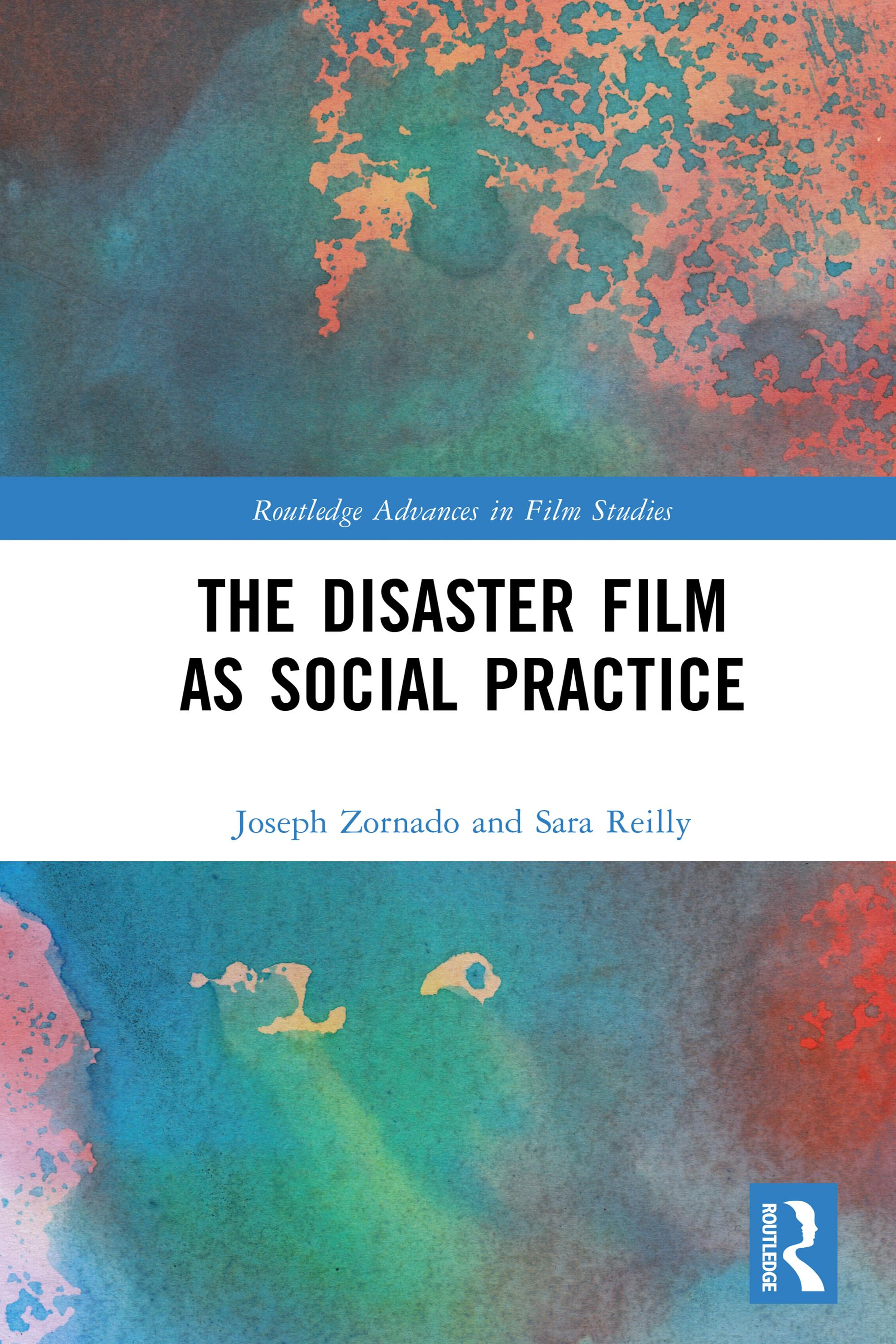
Surveying disaster films from a Lacanian psychoanalytic perspective, this book explores the disaster film genre from its initial appearance in 1933 (The Grapes of Wrath, 1933) to its present-day form (Don’t Look Up!, 2021), laying bare the ideological unconscious at work within the genre.
The Disaster Film as Social Practice examines environmental science, history, film and literature in its interdisciplinary analysis of the disaster film genre. It explores the interplay, and the dichotomy, of “restorative” and “reflective” disaster narratives. An analysis of cinema's role in symbolizing and managing collective anxiety around disaster and death narratives examines how disaster films, through their narrative structures and symbolic elements, contribute to the public's understanding and emotional processing of real-world threats, and how cinematic narratives shape and are shaped by public and private ideological discourses, reflecting deeper psychological and environmental truths. Finally, the book offers an overview of how the transformation of the disaster film genre over time tells a history through imagining the worst.
Providing a nuanced understanding of the disaster film genre and its significance in contemporary culture and thought, this book will be of interest to scholars and students of film studies, cultural studies, media studies, and environmental studies.
Betal nemt med kort, Klarna, Apple Pay eller Google Pay. Ikke tilfreds? Du har altid 14 dages fortrydelsesret. Læs mere i vores vilkår. Har du spørgsmål, så send os en mail på hello@memmo.org.
Memmo gør det nemmere at studere – uanset hvor du er i verden. Hos os samler du dine kursusbøger og smarte studieværktøjer ét sted: resuméer, quizzer, podcasts og flashcards. Og så er der Ted, din studieven, der svarer på alt, du undrer dig over. Over 50 000 studerende studerer allerede her – bygget til at hjælpe dig med at lære hurtigere og stresse mindre.