
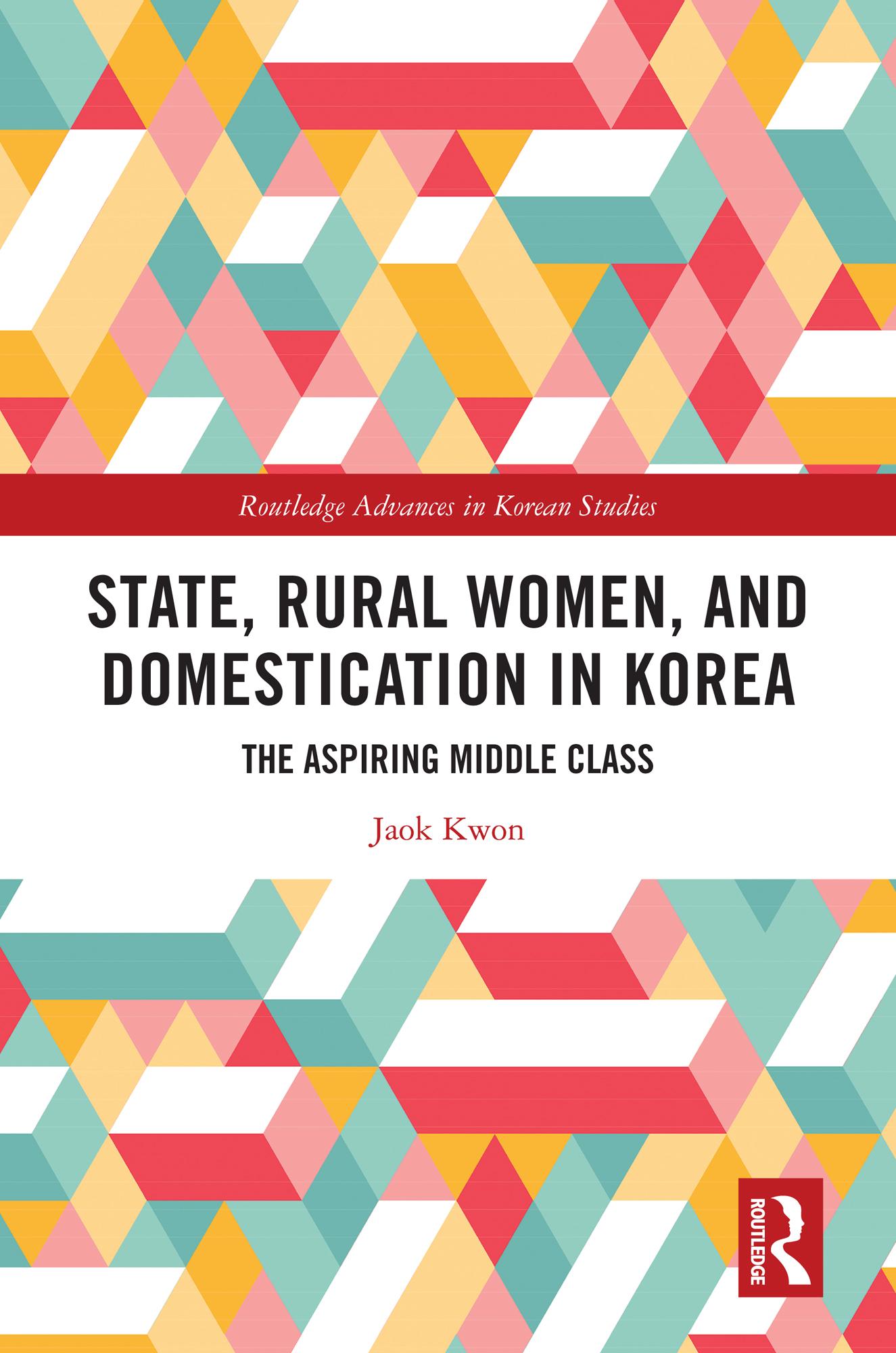
This book explores the dynamic interactions between the state and society during the industrialization of South Korea in the 1960s and 1970s, focusing on rural women as a marginalized social group.
By illuminating rural women’s interactions with the state and their aspirations for entering the middle class, it effectively reveals insights into the gender and class perspectives of industrialization in South Korea. Utilizing an analysis of personal letters from peasant movement activists, documents and periodicals issued by the Korean Catholic Peasant Women’s Organization, as well as in-depth interviews with farmers, housewives, activists of the peasant movements, and governmental officers, this book represents a reconsideration of state-society relations, as well as a reinterpretation of housewife ideology theory.
Highlighting the often-invisible experiences of marginalized rural women, this book will be of great interest to students and scholars of Korean Studies, Women’s Studies, and Rural Studies.
Betal nemt med kort, Klarna, Apple Pay eller Google Pay. Ikke tilfreds? Du har altid 14 dages fortrydelsesret. Læs mere i vores vilkår. Har du spørgsmål, så send os en mail på hello@memmo.org.
Memmo gør det nemmere at studere – uanset hvor du er i verden. Hos os samler du dine kursusbøger og smarte studieværktøjer ét sted: resuméer, quizzer, podcasts og flashcards. Og så er der Ted, din studieven, der svarer på alt, du undrer dig over. Over 50 000 studerende studerer allerede her – bygget til at hjælpe dig med at lære hurtigere og stresse mindre.