
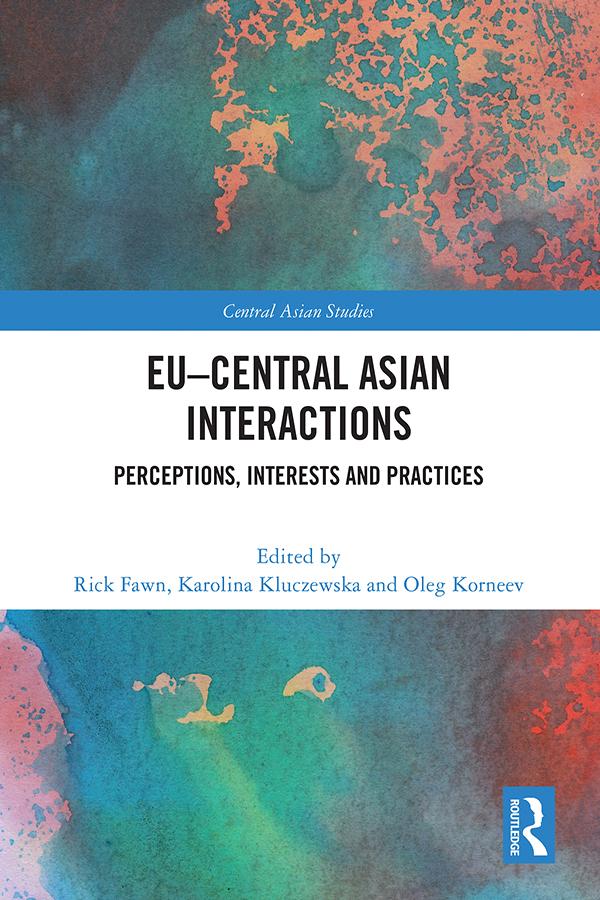
From limited interactions in the early 1990s, the EU and Central Asia now consider each other to be increasingly important. This book includes 12 chapters written by seasoned and policy-engaged researchers from across Eurasia and the wider world that analyse multiple levels of mutual interactions, understandings and misunderstandings across a range of policy areas. It shows why and in what ways exactly the EU and Central Asia matter to each other and why policymakers and researchers should pay more attention to their interactions.
Central Asia falls under the broader external relations and security agenda of the EU, and over years it provided a testing ground for many EU policies, including the priority ones of region-building and resilience promotion. Looking at the EU, in turn, informs as to how Central Asian actors interact with external partners of the region, and how that can influence national policy agendas and consequently everyday life – bringing new approaches, insights and evidence also to the wide field of EU studies.
This book is of key interest to scholars, practitioners and students of Central Asian history and politics, EU foreign policy, EU-Central Asia relations, and more broadly of EU studies, International Relations, regionalism and interregionalism as well as security studies. The chapters in this book were published over three issues of Central Asian Survey.
Betal nemt med kort, Klarna, Apple Pay eller Google Pay. Ikke tilfreds? Du har altid 14 dages fortrydelsesret. Læs mere i vores vilkår. Har du spørgsmål, så send os en mail på hello@memmo.org.
Memmo gør det nemmere at studere – uanset hvor du er i verden. Hos os samler du dine kursusbøger og smarte studieværktøjer ét sted: resuméer, quizzer, podcasts og flashcards. Og så er der Ted, din studieven, der svarer på alt, du undrer dig over. Over 50 000 studerende studerer allerede her – bygget til at hjælpe dig med at lære hurtigere og stresse mindre.