
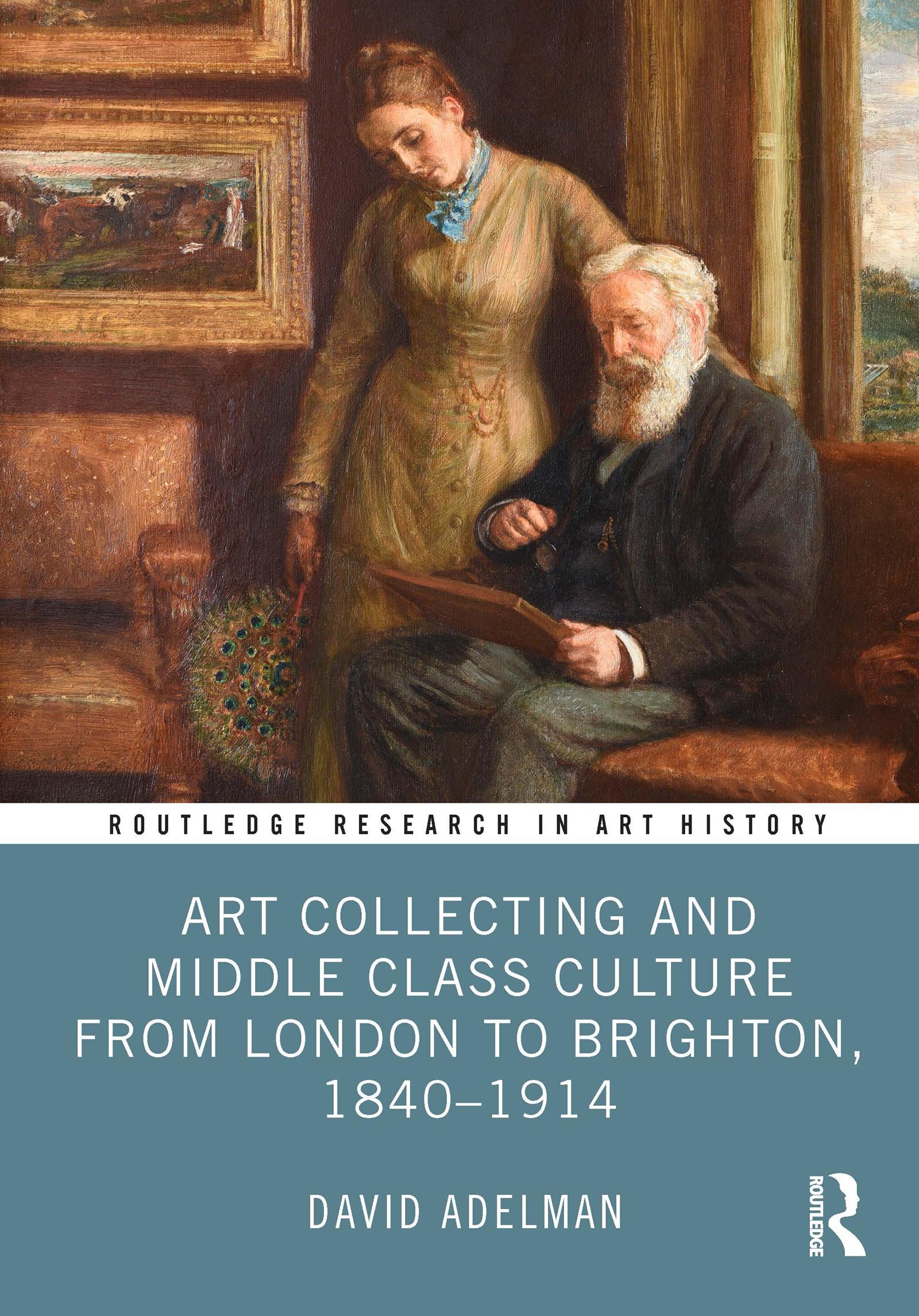
This study explores the interplay between money, status, politics and art collecting in the public and private lives of members of the wealthy trading classes in Brighton during the period 1840–1914.
Chapters focus on the collecting practices of five rich and upwardly mobile Victorians: William Coningham (1815–84), Henry Hill (1813–82), Henry Willett (1823–1905) and Harriet Trist (1816–96) and her husband John Hamilton Trist (1812–91). The book examines the relationship between the wealth of these would-be members of the Brighton bourgeoisie and the social and political meanings of their art collections paid for out of fortunes made from sugar, tailoring, beer and wine. It explores their luxury lifestyles and civic activities including the making of Brighton museum and art gallery, which reflected a paradoxical mix of patrician and liberal views, of aristocratic aspiration and radical rhetoric. It also highlights the centrality of the London art world to their collecting facilitated by the opening of the London to Brighton railway line in 1841.
The book will be of interest to scholars working in art history, museum studies and British history.
Betal nemt med kort, Klarna, Apple Pay eller Google Pay. Ikke tilfreds? Du har altid 14 dages fortrydelsesret. Læs mere i vores vilkår. Har du spørgsmål, så send os en mail på hello@memmo.org.
Memmo gør det nemmere at studere – uanset hvor du er i verden. Hos os samler du dine kursusbøger og smarte studieværktøjer ét sted: resuméer, quizzer, podcasts og flashcards. Og så er der Ted, din studieven, der svarer på alt, du undrer dig over. Over 50 000 studerende studerer allerede her – bygget til at hjælpe dig med at lære hurtigere og stresse mindre.