
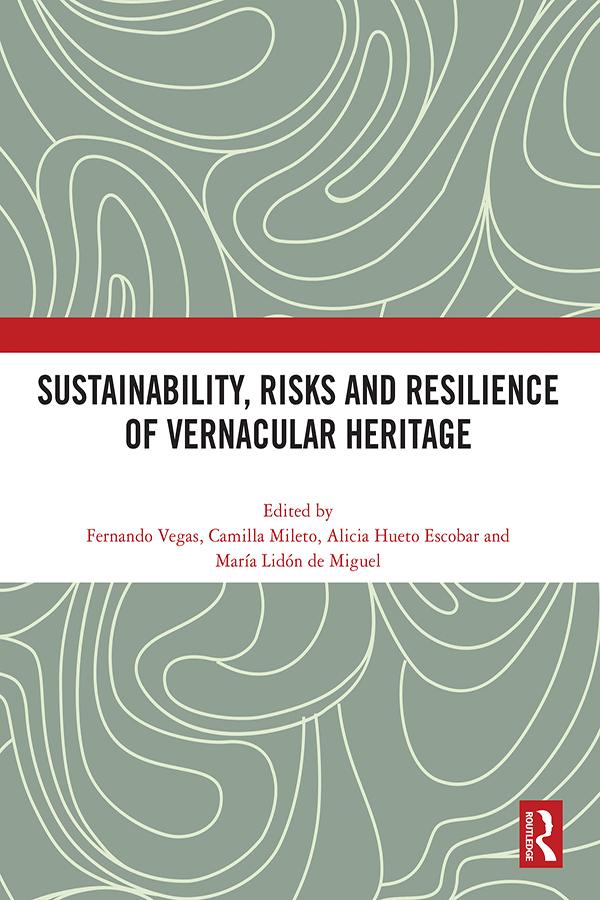
This book offers a variety of analyses, methodologies, and reflections on the behaviour of vernacular architecture in the face of natural hazards, with an emphasis on the strategies that can be used to cope with them.
The different examples of vernacular architecture studied in this book highlight the cultural wealth of this type of heritage, which has not only adapted to locally available resources and the needs of individual populations but has also successfully responded to the natural risks it encountered. As regards the types of risks analysed, the chapters focus on the impact of natural events on this type of heritage, proposing different methodologies for the analysis of vulnerability and any possible damage caused.
In general, the contributions included offer an interesting analysis of the behaviour of vernacular architecture in the face of natural hazards and the different scales or approaches that can be employed to cope with them. This book will be of particular interest to specialists and those interested in the fields of architecture, history, structures and risk management. It was originally published as a special issue of the International Journal of Architectural Heritage.
Betal nemt med kort, Klarna, Apple Pay eller Google Pay. Ikke tilfreds? Du har altid 14 dages fortrydelsesret. Læs mere i vores vilkår. Har du spørgsmål, så send os en mail på hello@memmo.org.
Memmo gør det nemmere at studere – uanset hvor du er i verden. Hos os samler du dine kursusbøger og smarte studieværktøjer ét sted: resuméer, quizzer, podcasts og flashcards. Og så er der Ted, din studieven, der svarer på alt, du undrer dig over. Over 50 000 studerende studerer allerede her – bygget til at hjælpe dig med at lære hurtigere og stresse mindre.