
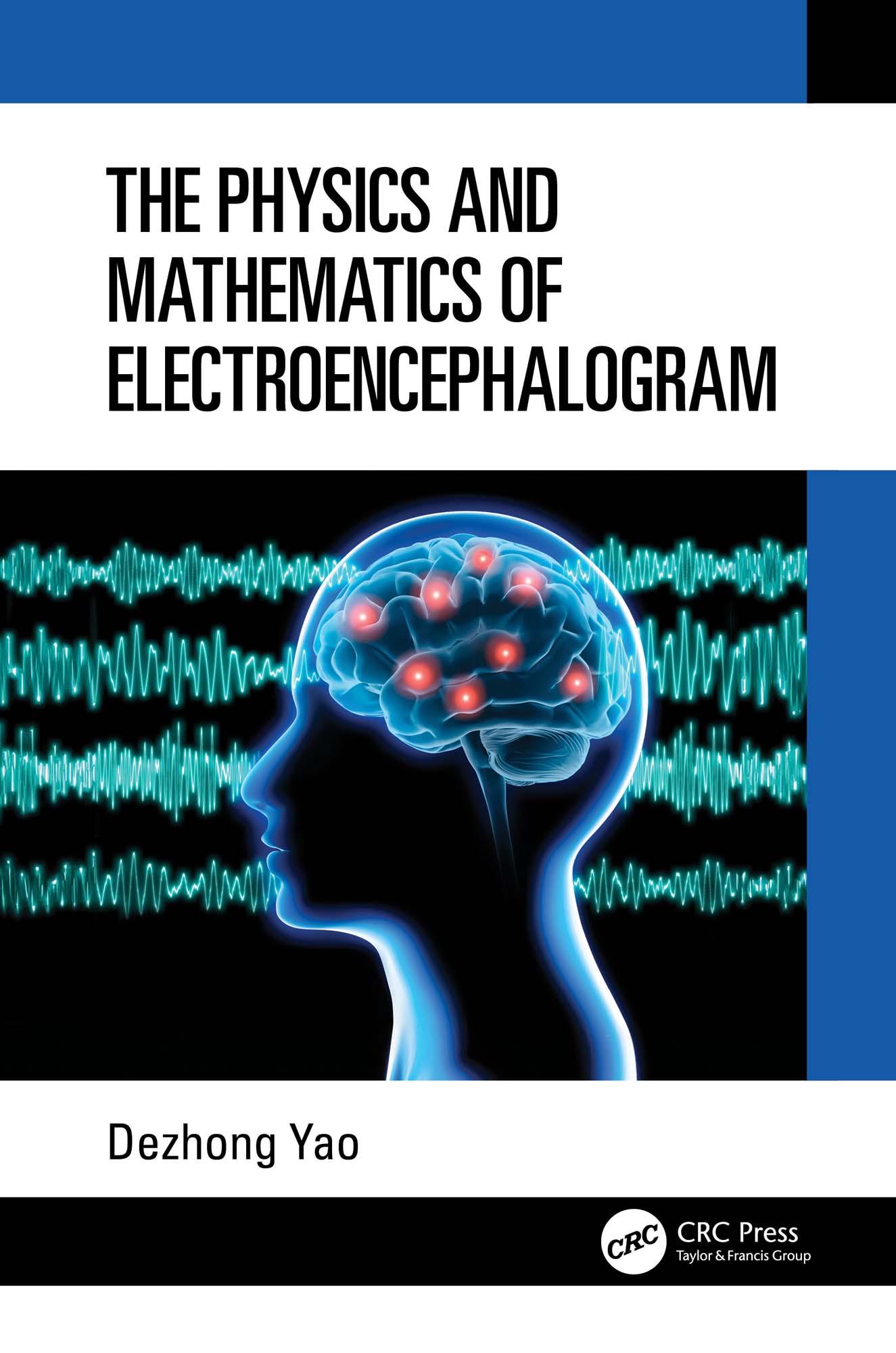
This book focuses on a systematic introduction to the knowledge of mathematics and physics of electroencephalogram (EEG) and discusses an in-depth application of EEG and the development of new methods and technologies for mining and analyzing EEG.
The Physics and Mathematics of Electroencephalogram offers a systematic overview of the technology for brain function and disease. It covers six parts: background knowledge of EEG, EEG forward problems, high-resolution EEG imaging, EEG inverse problems, EEG reference electrode, and EEG cloud platform. The author reviews the critical technologies in brain function and disease, such as EEG sourcing, EEG imaging, and EEG reference electrode standardization technique. The book’s aim is to clarify the mechanism of EEG from the perspective of physics, mathematics, and engineering science to help multidisciplinary readers better understand and use EEG information more effectively.
This book can be used as reference for researchers in the fields of neuroengineering, cognitive neuroscience, neurology, psychiatry, applied mathematics, and brain-like intelligence.
Betal nemt med kort, Klarna, Apple Pay eller Google Pay. Ikke tilfreds? Du har altid 14 dages fortrydelsesret. Læs mere i vores vilkår. Har du spørgsmål, så send os en mail på hello@memmo.org.
Memmo gør det nemmere at studere – uanset hvor du er i verden. Hos os samler du dine kursusbøger og smarte studieværktøjer ét sted: resuméer, quizzer, podcasts og flashcards. Og så er der Ted, din studieven, der svarer på alt, du undrer dig over. Over 50 000 studerende studerer allerede her – bygget til at hjælpe dig med at lære hurtigere og stresse mindre.