
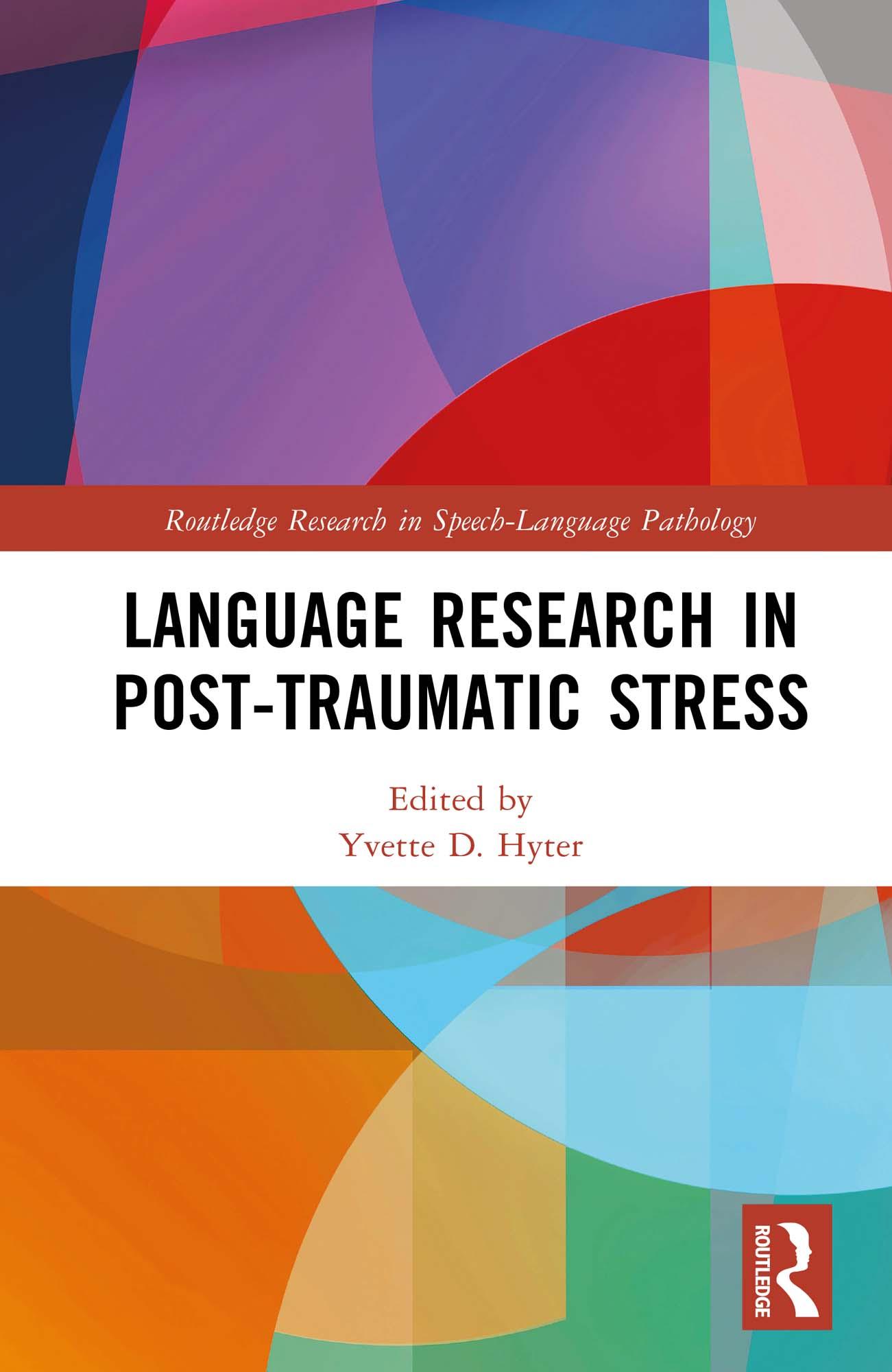
This collection brings together different perspectives on post-traumatic stress, considering its causes, its impact on different groups, and ways forward toward equipping speech-language clinicians, educators, and scholars to better understand and support the individuals and communities with which they work.
The volume defines post-traumatic stress, unpacking its causes and how they might be mitigated. The 11 chapters critically reflect on the wide-ranging effects traumatic stress has on the brain, communication, language, literacy, and life skills of different groups, including children, adolescents, adults, refugees, and victims of racialized violence. This book also includes examples of interventions demonstrated to be effective with affected individuals. The range of perspectives highlights the importance of culturally responsive and trauma-informed practices and the need for language and literacy professionals to engage in transdisciplinary practice in order to develop more effective supports for those experiencing post-traumatic stress. Looking ahead, the volume discusses recommendations for curriculum content, clinical practice, and changes to policy toward ensuring all people with post-traumatic stress are able to fully participate in daily life.
This book will be of interest to students and scholars in speech-language sciences, social work, occupational therapy, and clinical psychology, as well as clinicians and educators in these areas.
Betal nemt med kort, Klarna, Apple Pay eller Google Pay. Ikke tilfreds? Du har altid 14 dages fortrydelsesret. Læs mere i vores vilkår. Har du spørgsmål, så send os en mail på hello@memmo.org.
Memmo gør det nemmere at studere – uanset hvor du er i verden. Hos os samler du dine kursusbøger og smarte studieværktøjer ét sted: resuméer, quizzer, podcasts og flashcards. Og så er der Ted, din studieven, der svarer på alt, du undrer dig over. Over 50 000 studerende studerer allerede her – bygget til at hjælpe dig med at lære hurtigere og stresse mindre.