
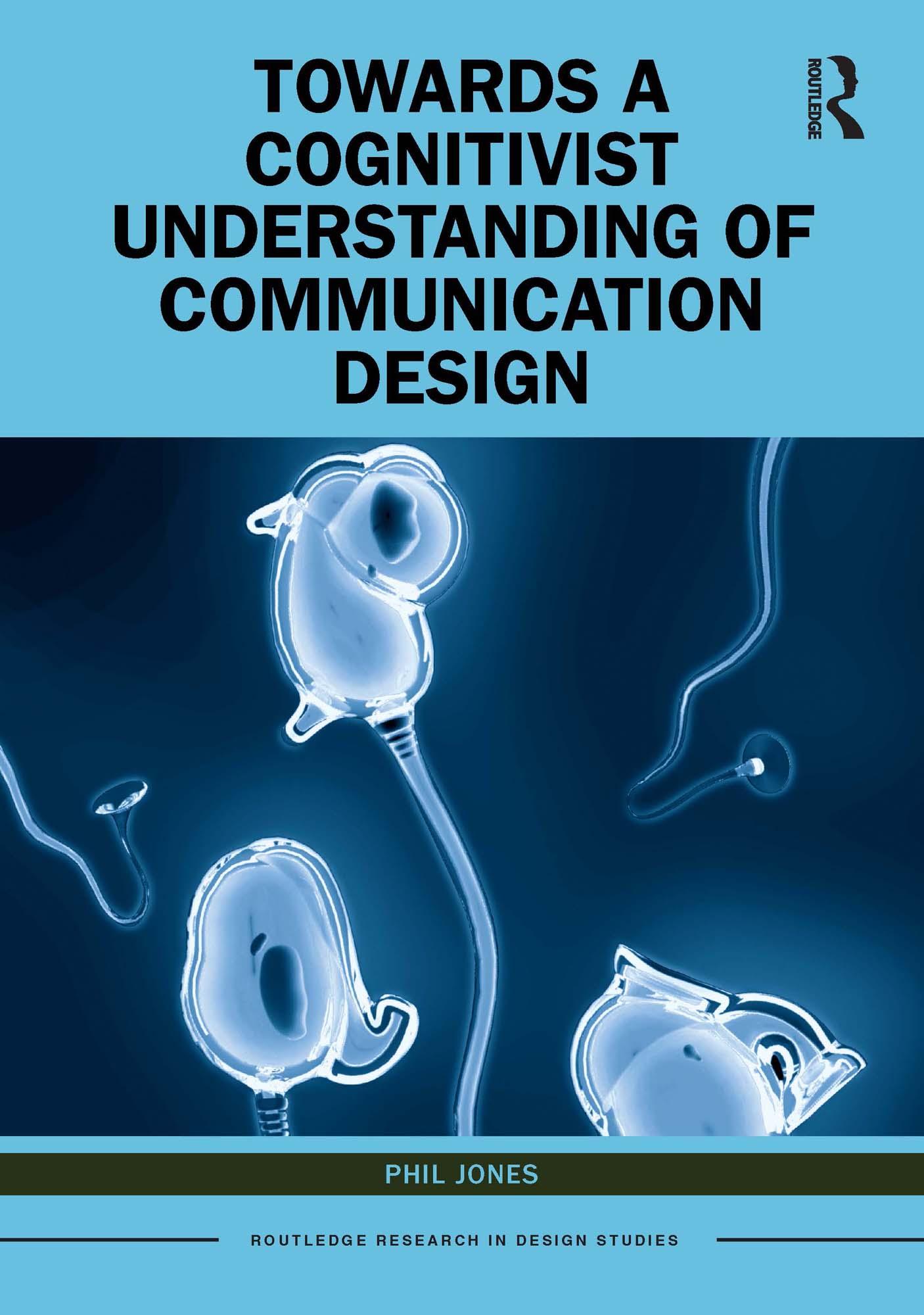
This book demonstrates the relevance and importance of cognitive linguistics when applied to the analysis and practice of graphic design/communication design.
Phil Jones brings together a diverse range of theory and organizes it in accordance with different stages in the design process. Using examples from contemporary communication design, as well as more familiar selections from the graphic design canon as case studies, this book provides an account of how meanings are made by users, and suggests new strategies for design practice. It seeks convergences between the ways that graphic/communication designers think and talk about their practice and the theories emerging from cognitive science.
This book will be of interest to scholars working in design, graphic design, the philosophy of art and aesthetics, communication studies, and media and film studies.
Betal nemt med kort, Klarna, Apple Pay eller Google Pay. Ikke tilfreds? Du har altid 14 dages fortrydelsesret. Læs mere i vores vilkår. Har du spørgsmål, så send os en mail på hello@memmo.org.
Memmo gør det nemmere at studere – uanset hvor du er i verden. Hos os samler du dine kursusbøger og smarte studieværktøjer ét sted: resuméer, quizzer, podcasts og flashcards. Og så er der Ted, din studieven, der svarer på alt, du undrer dig over. Over 50 000 studerende studerer allerede her – bygget til at hjælpe dig med at lære hurtigere og stresse mindre.