
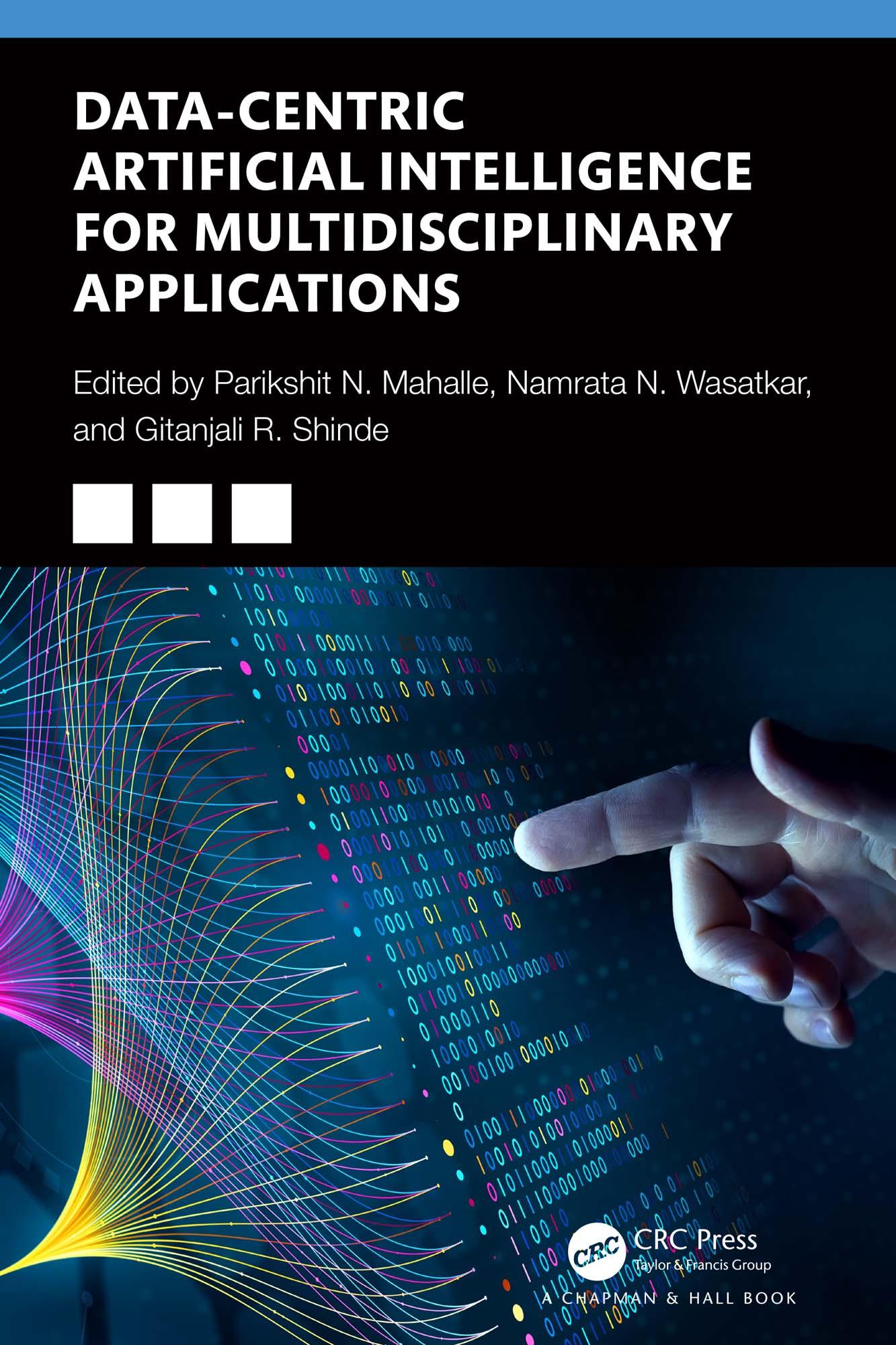
This book explores the need for a data‑centric AI approach and its application in the multidisciplinary domain, compared to a model‑centric approach. It examines the methodologies for data‑centric approaches, the use of data‑centric approaches in different domains, the need for edge AI and how it differs from cloud‑based AI. It discusses the new category of AI technology, "data‑centric AI" (DCAI), which focuses on comprehending, utilizing, and reaching conclusions from data. By adding machine learning and big data analytics tools, data‑centric AI modifies this by enabling it to learn from data rather than depending on algorithms. It can therefore make wiser choices and deliver more precise outcomes. Additionally, it has the potential to be significantly more scalable than conventional AI methods.
• Includes a collection of case studies with experimentation results to adhere to the practical approaches
• Examines challenges in dataset generation, synthetic datasets, analysis, and prediction algorithms in stochastic ways
• Discusses methodologies to achieve accurate results by improving the quality of data
• Comprises cases in healthcare and agriculture with implementation and impact of quality data in building AI applications
Betal nemt med kort, Klarna, Apple Pay eller Google Pay. Ikke tilfreds? Du har altid 14 dages fortrydelsesret. Læs mere i vores vilkår. Har du spørgsmål, så send os en mail på hello@memmo.org.
Memmo gør det nemmere at studere – uanset hvor du er i verden. Hos os samler du dine kursusbøger og smarte studieværktøjer ét sted: resuméer, quizzer, podcasts og flashcards. Og så er der Ted, din studieven, der svarer på alt, du undrer dig over. Over 50 000 studerende studerer allerede her – bygget til at hjælpe dig med at lære hurtigere og stresse mindre.