
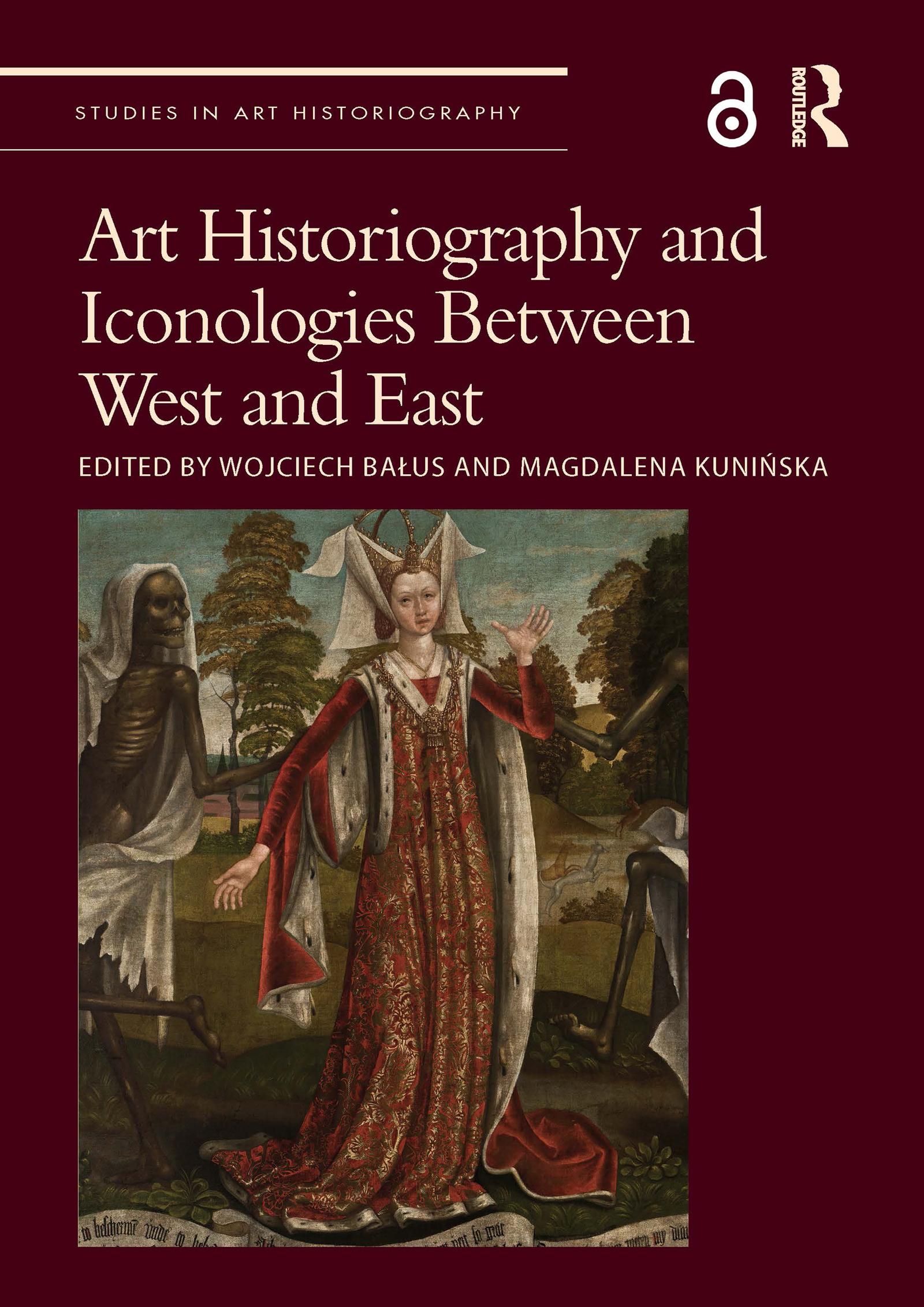
This volume explores a basic question in the historiography of art: the extent to which iconology was a homogenous research method in its own immutable right. By contributing to the rejection of the universalizing narrative, these case studies argue that there were many strands of iconology.
Methods that differed from the ‘canonised’ approach of Panofsky were proposed by Godefridus Johannes Hoogewerff and Hans Sedlmayr. Researchers affiliated with the Warburg Institute in London also chose to distance themselves from Panofsky’s work. Poland, in turn, was the breeding ground for yet another distinct variety of iconology. In Communist Czechoslovakia there were attempts to develop a ‘Marxist iconology’. This book, written by recognized experts in the field, examines these and other major strands of iconology, telling the tale of iconology’s reception in the countries formerly behind the Iron Curtain. Attitudes there ranged from enthusiastic acceptance in Poland, to critical reception in the Soviet Union, to reinterpretation in Czechoslovakia and the German Democratic Republic, and, finally, to outright rejection in Romania.
The book will be of interest to scholars working in art history, visual studies, and historiography.
Chapters 8 and 15 of this book are freely available as a downloadable Open Access PDF at www.taylorfrancis.com under a Creative Commons Attribution-Non Commercial-No Derivatives (CC-BY-NC-ND) 4.0 international license
Betal nemt med kort, Klarna, Apple Pay eller Google Pay. Ikke tilfreds? Du har altid 14 dages fortrydelsesret. Læs mere i vores vilkår. Har du spørgsmål, så send os en mail på hello@memmo.org.
Memmo gør det nemmere at studere – uanset hvor du er i verden. Hos os samler du dine kursusbøger og smarte studieværktøjer ét sted: resuméer, quizzer, podcasts og flashcards. Og så er der Ted, din studieven, der svarer på alt, du undrer dig over. Over 50 000 studerende studerer allerede her – bygget til at hjælpe dig med at lære hurtigere og stresse mindre.