
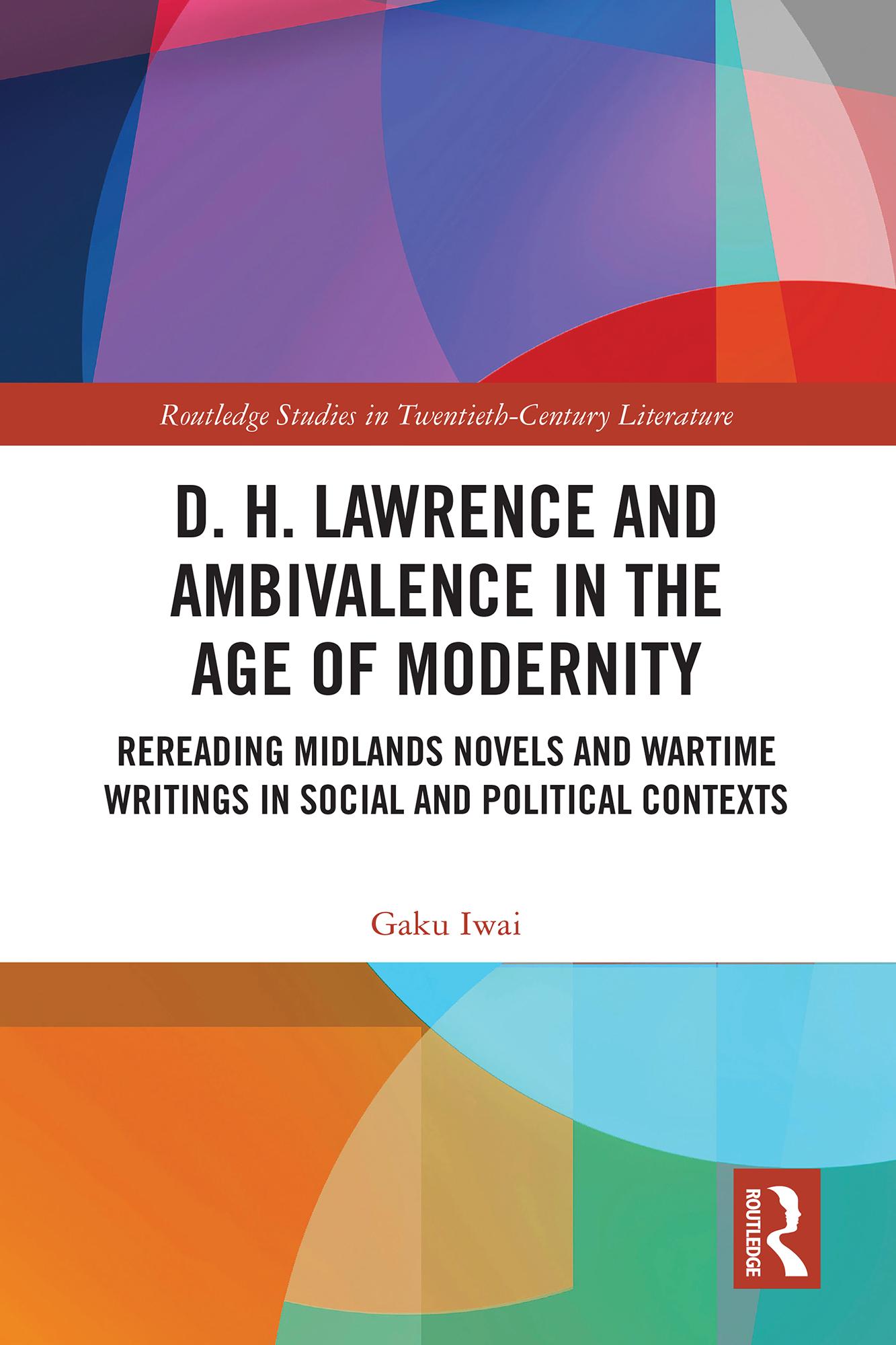
D. H. Lawrence is renowned for his scathing criticism of the ruling class, industrialisation of the country and wartime patriotism. However, his texts bear the imprint of contemporary dominant ideologies and discourses of the period. Comparing Lawrence’s texts to various major and minor contemporary novels, journal articles, political pamphlets and history books, this book aims to demonstrate that Lawrence’s texts are ambivalent: his texts harbour the dynamism of conflicting power struggles between the subversive and the reactionary. For example, in some apparently apolitical texts such as The White Peacock and Movements in European History, reactionary ideologies and wartime propaganda are embedded. Some texts like Lady Chatterley’s Lover are intended to be a radical critique of the period wherein it was composed, but they also bear discernible traces of the contemporary frame of reference that they intend to subvert. Focusing on Lawrence’s stories and novels set in the mining countryside and the works composed under the impact of the First World War, this book establishes that Lawrence’s texts in fact consist of multiple layers that are often in conflict with each other, serving as a testimony to the age of modernity.
Betal nemt med kort, Klarna, Apple Pay eller Google Pay. Ikke tilfreds? Du har altid 14 dages fortrydelsesret. Læs mere i vores vilkår. Har du spørgsmål, så send os en mail på hello@memmo.org.
Memmo gør det nemmere at studere – uanset hvor du er i verden. Hos os samler du dine kursusbøger og smarte studieværktøjer ét sted: resuméer, quizzer, podcasts og flashcards. Og så er der Ted, din studieven, der svarer på alt, du undrer dig over. Over 50 000 studerende studerer allerede her – bygget til at hjælpe dig med at lære hurtigere og stresse mindre.