
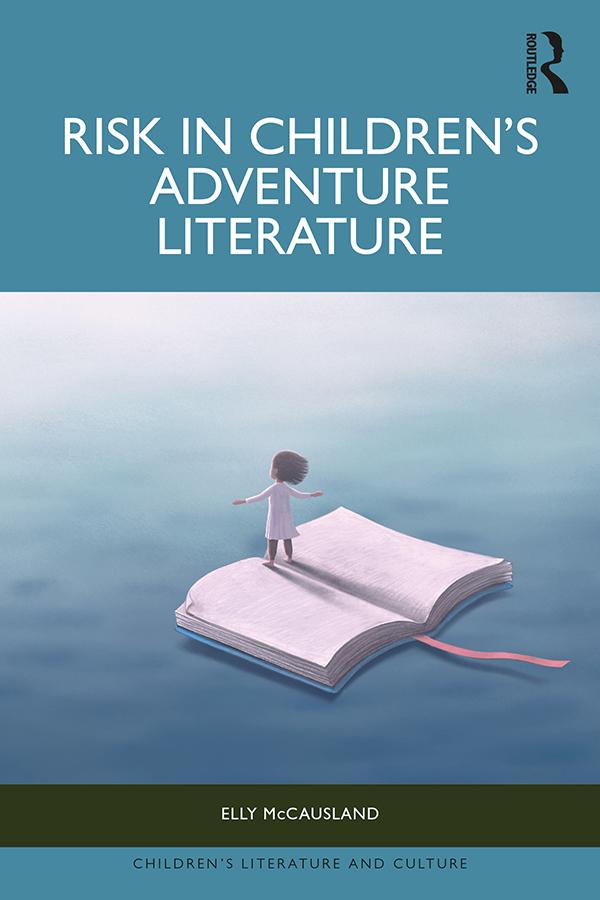
Risk in Children’s Adventure Literature examines the way in which adults discuss the reading and entertainment habits of children, and with it the assumption that adventure is a timeless and stable constant whose meaning and value is self-evident. A closer enquiry into British and American adventure texts for children over the past 150 years reveals a host of complexities occluded by the term, and the ways in which adults invoke adventure as a means of attempting to get to grips with the nebulous figure of ‘the child’. Writing about adventure also necessitates writing about risk, and this book argues that adults have historically used adventure to conceptualise the relationship between children and risk: the risks children themselves pose to society; the risks that threaten their development; and how they can be trained to manage risk in socially normative and desirable ways. Tracing this tendency back to its development and consolidation in Victorian imperial romance, and forward through various adventure texts and media to the present day, this book probes and investigates the truisms and assumptions that underlie our generalisations about children’s love for adventure, and how they have evolved since the mid-nineteenth century.
Betal nemt med kort, Klarna, Apple Pay eller Google Pay. Ikke tilfreds? Du har altid 14 dages fortrydelsesret. Læs mere i vores vilkår. Har du spørgsmål, så send os en mail på hello@memmo.org.
Memmo gør det nemmere at studere – uanset hvor du er i verden. Hos os samler du dine kursusbøger og smarte studieværktøjer ét sted: resuméer, quizzer, podcasts og flashcards. Og så er der Ted, din studieven, der svarer på alt, du undrer dig over. Over 50 000 studerende studerer allerede her – bygget til at hjælpe dig med at lære hurtigere og stresse mindre.