
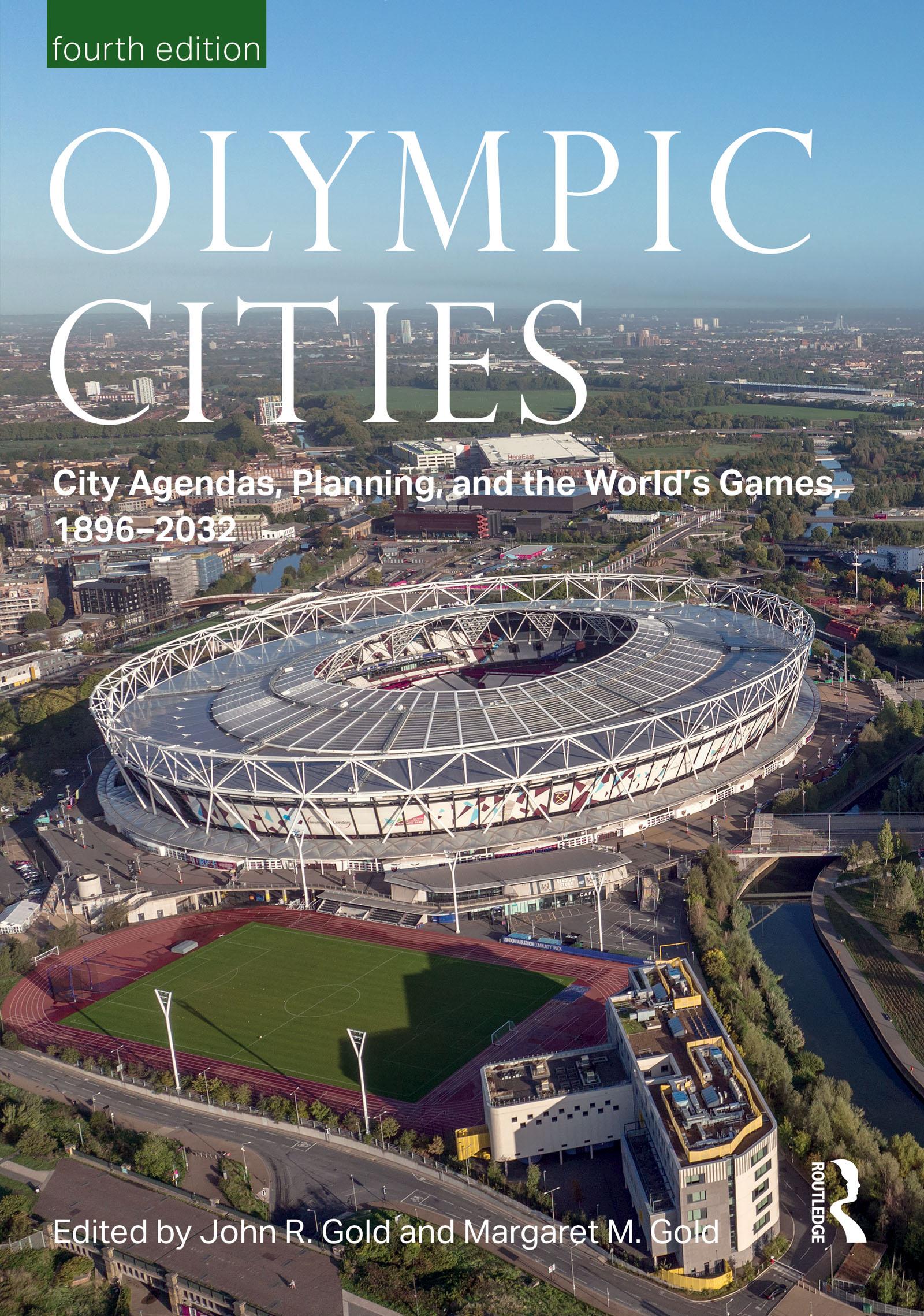
The first edition of Olympic Cities, published in 2007, provided a pioneering overview of the changing relationship between cities and the modern Olympic Games. This substantially revised and much enlarged fourth edition builds on the success of its predecessors. The first of its three parts provides overviews of the urban legacy of the four component Olympic festivals: the Summer Games; Winter Games; Cultural Olympiads; and the Paralympics. The second part comprises systematic surveys of six key aspects of activity involved in staging the Olympics and Paralympics: finance; sustainability; the creation of Olympic Villages; security; urban regeneration; and tourism. The final part consists of ten chronologically arranged portraits of host cities from 1960 to 2032, with complete coverage of the Summer Games of the twenty-first century.
As controversy over the growing size and expense of the Olympics, with associated issues of democratic accountability and legacy, continues unabated, this book’s incisive and timely assessment of the Games’ development and the complex agendas that host cities attach to the event will be essential reading for a wide audience. This will include not just urban and sports historians, urban geographers, event managers, and city planners, but also anyone with an interest in the staging of mega-events and concerned with building a better understanding of the relationship between cities, sport, and culture.
Betal nemt med kort, Klarna, Apple Pay eller Google Pay. Ikke tilfreds? Du har altid 14 dages fortrydelsesret. Læs mere i vores vilkår. Har du spørgsmål, så send os en mail på hello@memmo.org.
Memmo gør det nemmere at studere – uanset hvor du er i verden. Hos os samler du dine kursusbøger og smarte studieværktøjer ét sted: resuméer, quizzer, podcasts og flashcards. Og så er der Ted, din studieven, der svarer på alt, du undrer dig over. Over 50 000 studerende studerer allerede her – bygget til at hjælpe dig med at lære hurtigere og stresse mindre.