
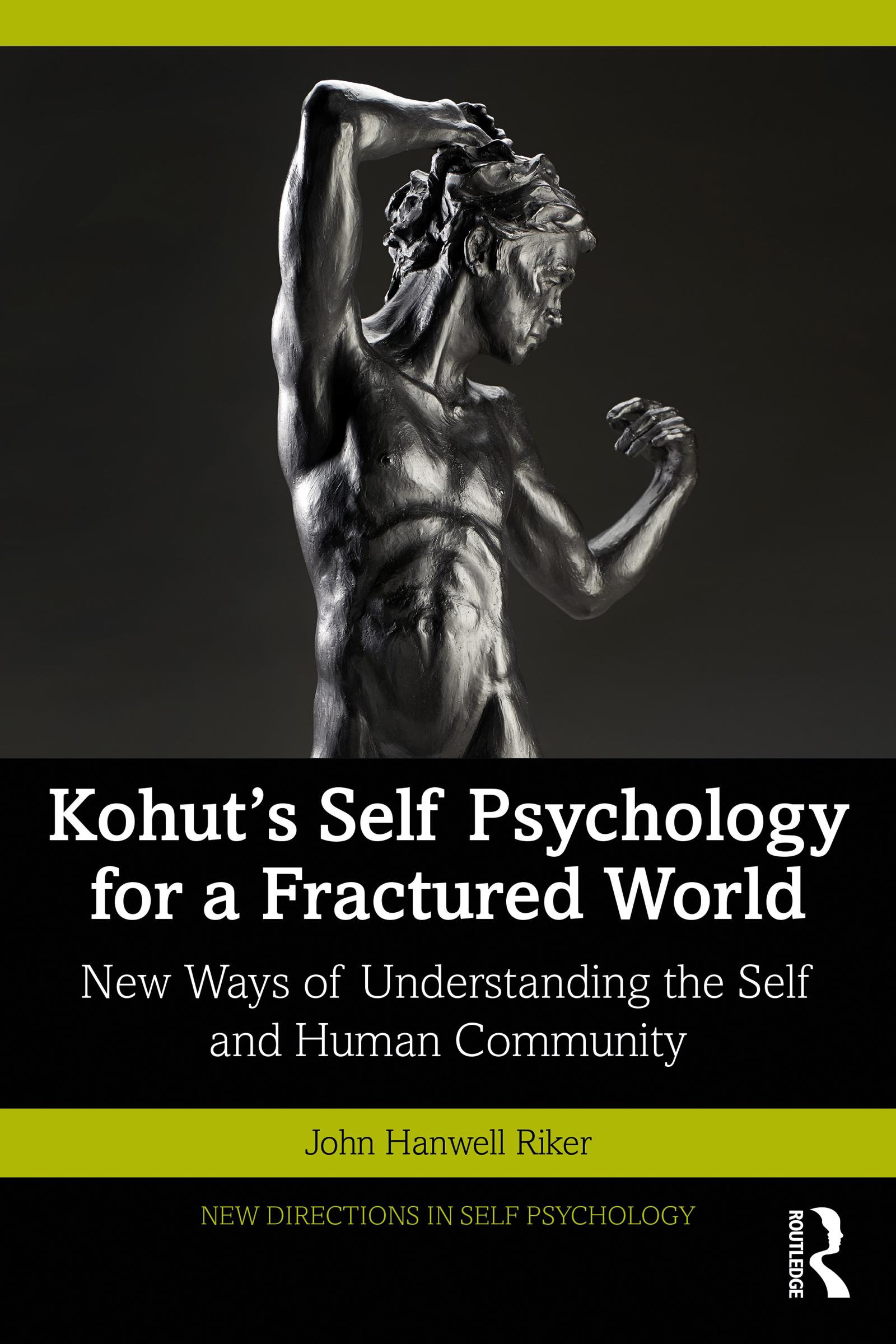
Drawing from Kohut's conceptualisation of self, Riker sets out how contemporary America's formulation of persons as autonomous, self-sufficient individuals is deeply injurious to the development of a vitalizing self-structure—a condition which lies behind much of the mental illness and social malaise of today's world.
By carefully attending to Kohut's texts, Riker explains the structural, functional, and dynamic dimensions of Kohut's concept of the self. He creatively extends this concept to show how the self can be conceived of as an erotic striving for connectedness, beauty, and harmony, separate from the ego. Riker uses this distinction to reveal how social practices of contemporary American society foster skills and traits to advance the aims of the ego for power and control, but tend to suppress the needs of the self to authentically express its ideals and connect with others. The book explores the impact that this view can have on clinical practice, and concludes by imaginatively constructing an ideal self-psychological society, using Plato's Republic as a touchstone.
Informed by self psychology and philosophy, this book is essential reading for psychoanalysts, psychotherapists and philosophers, seeking to revisit and revise constructions of both self and humanity.
Betal nemt med kort, Klarna, Apple Pay eller Google Pay. Ikke tilfreds? Du har altid 14 dages fortrydelsesret. Læs mere i vores vilkår. Har du spørgsmål, så send os en mail på hello@memmo.org.
Memmo gør det nemmere at studere – uanset hvor du er i verden. Hos os samler du dine kursusbøger og smarte studieværktøjer ét sted: resuméer, quizzer, podcasts og flashcards. Og så er der Ted, din studieven, der svarer på alt, du undrer dig over. Over 50 000 studerende studerer allerede her – bygget til at hjælpe dig med at lære hurtigere og stresse mindre.