
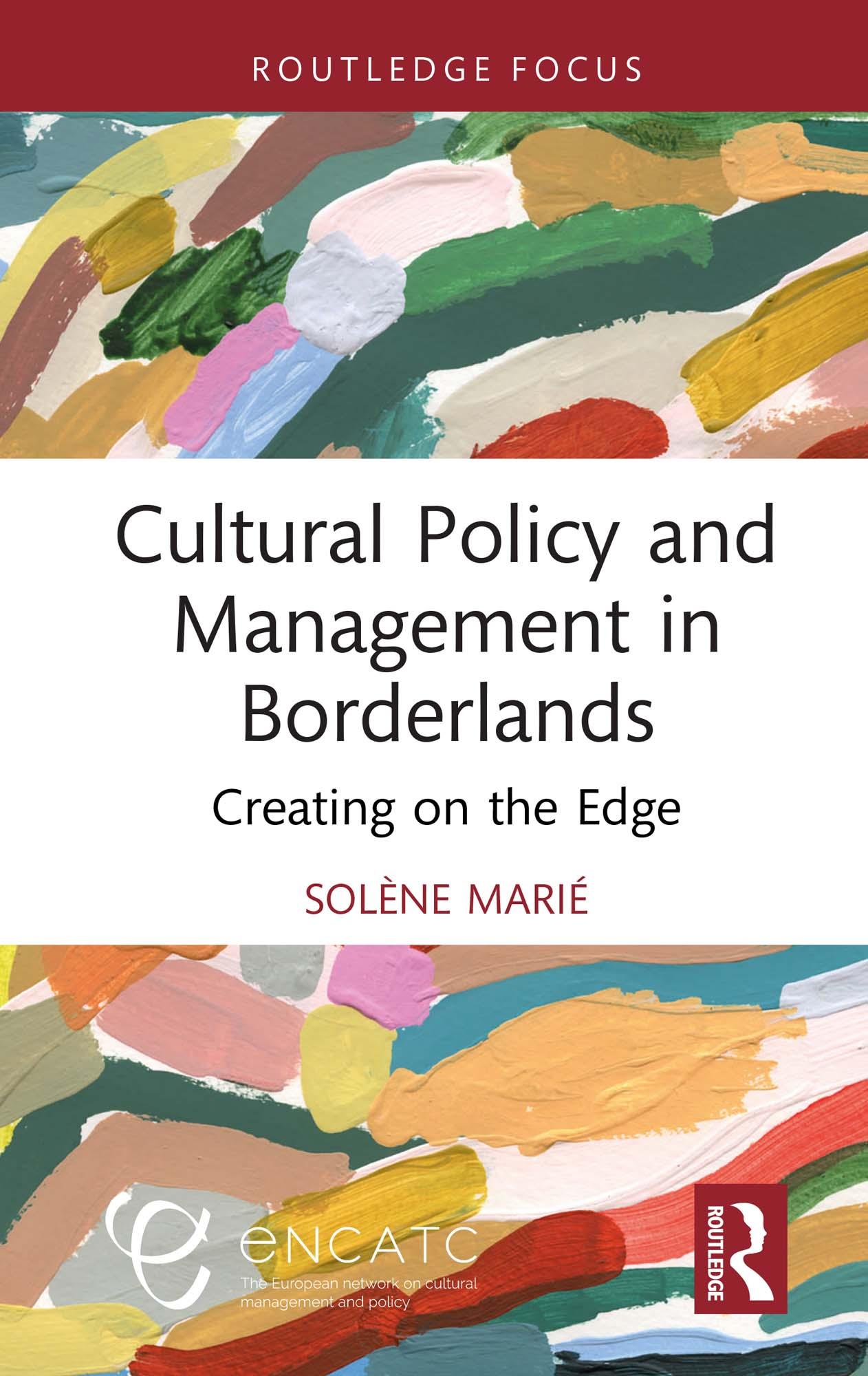
This book uncovers the processes at play in the development of cultural policies, projects and networks in spaces at the edge of their countries, marked by their proximity with a borderline.
On a subject which is studied mainly in North America and Western Europe and based on individual case studies, its originality lies in offering a comparative view on the subject, as well as in comparing a European case – the France-Germany borderlands – to a South American case – the Brazil-Uruguay borderlands. Through a multi-sited ethnographic study, the author develops an analysis of the formal and informal processes and networks which sustain this cultural action, looking at the relative contribution of processes led by institutions, cultural agents and the civil society.
This book provides theoretical tools for the analysis of the way cultural ecosystems function in borderlands and is valuable reading for scholars of cultural policy, geography and arts management.
Betal nemt med kort, Klarna, Apple Pay eller Google Pay. Ikke tilfreds? Du har altid 14 dages fortrydelsesret. Læs mere i vores vilkår. Har du spørgsmål, så send os en mail på hello@memmo.org.
Memmo gør det nemmere at studere – uanset hvor du er i verden. Hos os samler du dine kursusbøger og smarte studieværktøjer ét sted: resuméer, quizzer, podcasts og flashcards. Og så er der Ted, din studieven, der svarer på alt, du undrer dig over. Over 50 000 studerende studerer allerede her – bygget til at hjælpe dig med at lære hurtigere og stresse mindre.