
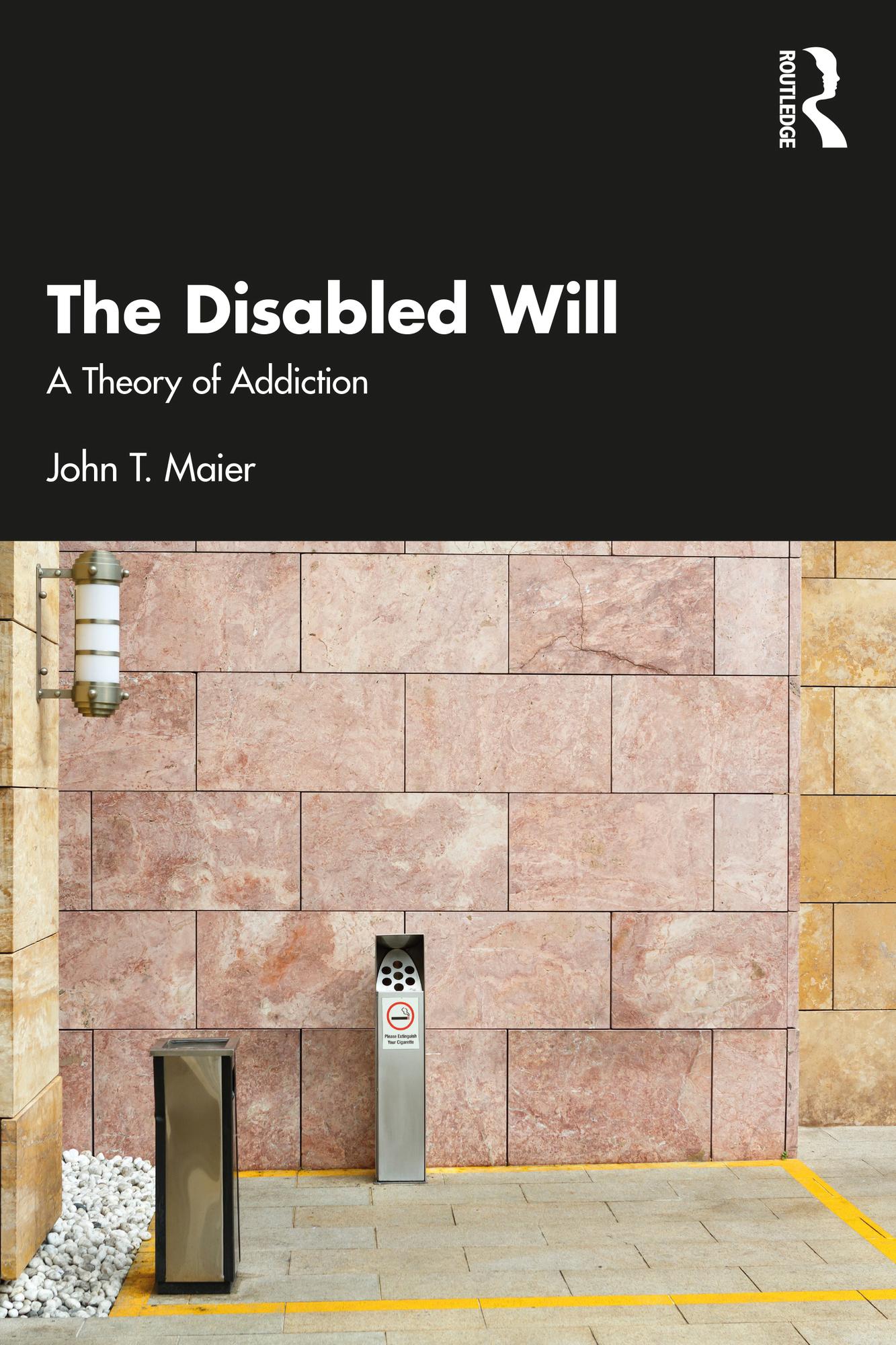
This book defends a comprehensive new vision of what addiction is and how people with addictions should be treated. The author argues that, in addition to physical and intellectual disabilities, there are volitional disabilities – disabilities of the will – and that addiction is best understood as a species of volitional disability.
This theory serves to illuminate long-standing philosophical and psychological perplexities about addiction and addictive motivation. It articulates a normative framework within which to understand prohibition, harm reduction, and other strategies that aim to address addiction. The argument of this book is that these should ultimately be evaluated in terms of reasonable accommodations for addicted people and that the priority of addiction policy should be the provision of such accommodations. What makes this book distinctive is that it understands addiction as a fundamentally political problem, an understanding that is suggested by standard legal approaches to addiction, but which has not received a sustained defense in the previous philosophical or psychological literature.
This text marks a significant advance in the theory of addiction, one which should reshape our understanding of addiction policy and its proper aims.
Betal nemt med kort, Klarna, Apple Pay eller Google Pay. Ikke tilfreds? Du har altid 14 dages fortrydelsesret. Læs mere i vores vilkår. Har du spørgsmål, så send os en mail på hello@memmo.org.
Memmo gør det nemmere at studere – uanset hvor du er i verden. Hos os samler du dine kursusbøger og smarte studieværktøjer ét sted: resuméer, quizzer, podcasts og flashcards. Og så er der Ted, din studieven, der svarer på alt, du undrer dig over. Over 50 000 studerende studerer allerede her – bygget til at hjælpe dig med at lære hurtigere og stresse mindre.