
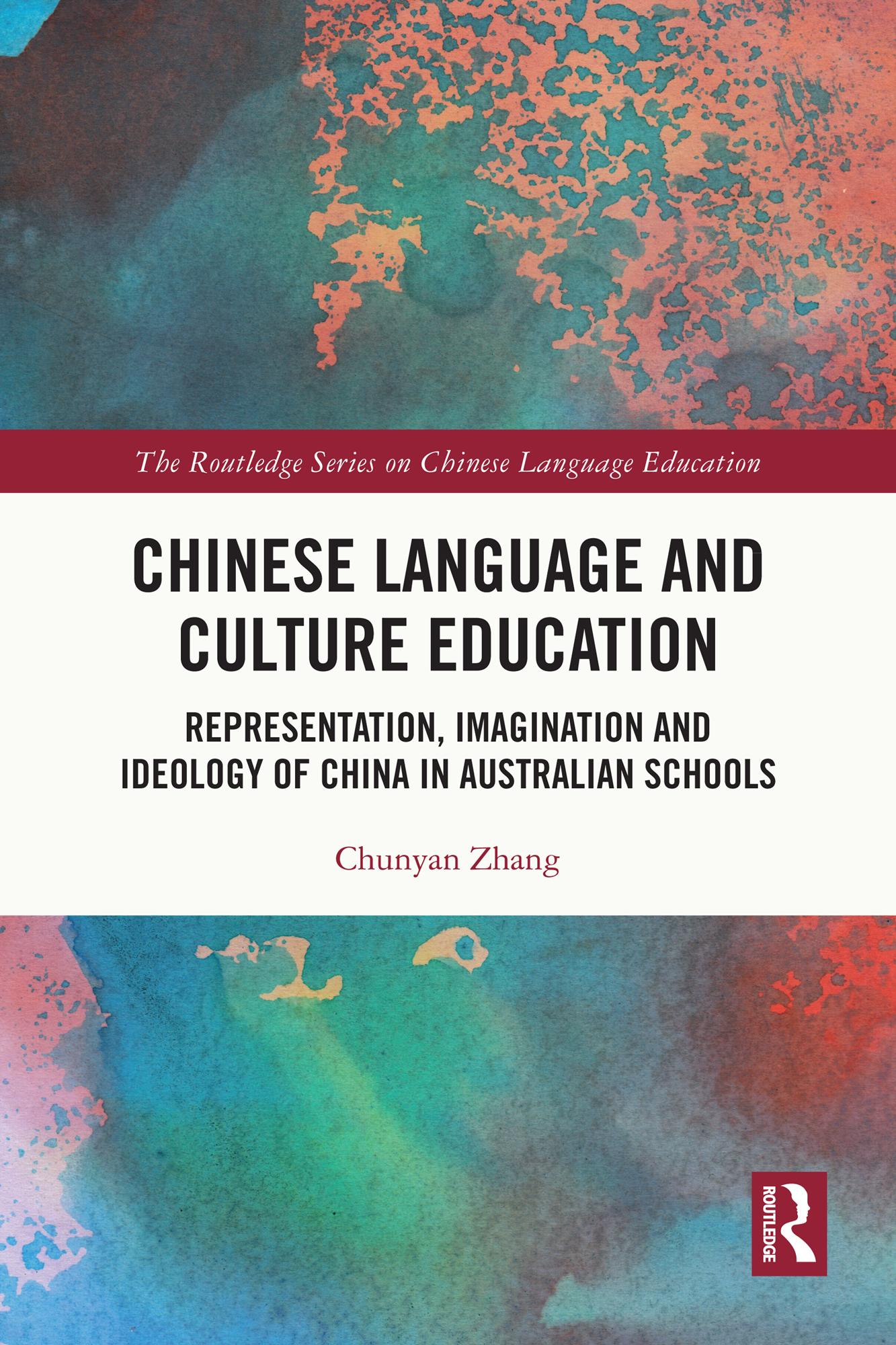
Against the background of the Australian government’s strategic plan to promote Asian languages in schools, this book is an innovative autoethnographic inquiry into what actually occurs in the implementation of a Chinese language and culture program in an Australian context.
Drawing on eight years of socio-cultural and educational fieldwork in a primary school, Chunyan Zhang examines complex, fluid and heterogeneous daily teaching practices and the ways in which ideas of China are assembled, presented and performed. She asks the following questions: What is China? Where does Taiwan fit into the China depicted in a multicultural, globalised classroom? Can Chinese communism or Chairman Mao be avoided in teaching English-speaking learners? What kind of China is brought in here while what kind of China is being silenced and othered? Through the partial connection between method assemblage and Daoist concepts, Zhang develops a water-like pedagogy in teaching. She uses the knowledge flow model to examine the imbalanced knowledge flow within teacher-student interactions. From finding China as a hybrid assemblage to proposing China as method, Zhang’s investigation makes an important contribution to the sociology of Chinese language education.
This book is an essential and rich content resource for primary and secondary teacher education and research, teacher candidates and educators in Chinese as a second language education.
Betal nemt med kort, Klarna, Apple Pay eller Google Pay. Ikke tilfreds? Du har altid 14 dages fortrydelsesret. Læs mere i vores vilkår. Har du spørgsmål, så send os en mail på hello@memmo.org.
Memmo gør det nemmere at studere – uanset hvor du er i verden. Hos os samler du dine kursusbøger og smarte studieværktøjer ét sted: resuméer, quizzer, podcasts og flashcards. Og så er der Ted, din studieven, der svarer på alt, du undrer dig over. Over 50 000 studerende studerer allerede her – bygget til at hjælpe dig med at lære hurtigere og stresse mindre.