
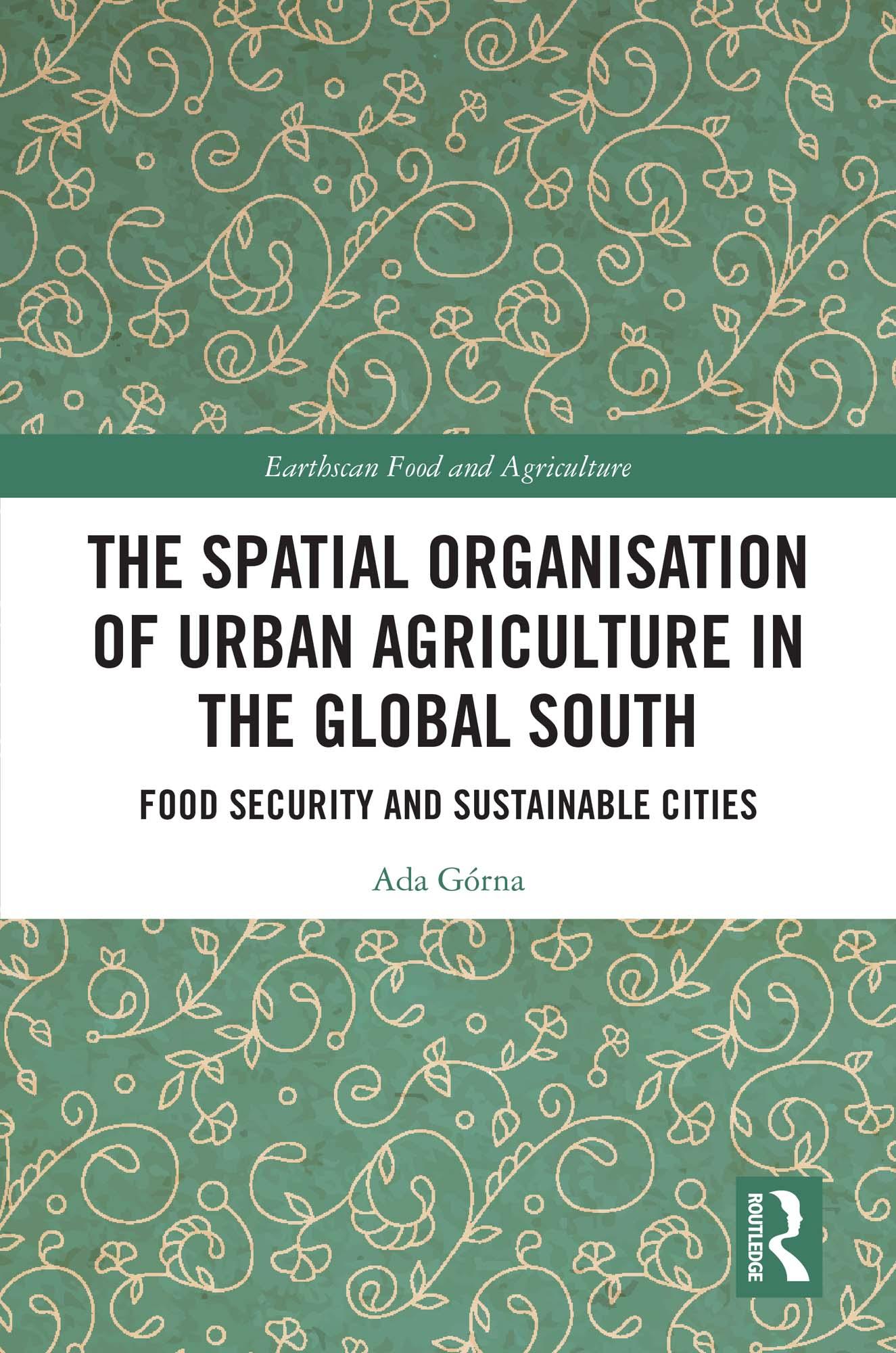
This book examines the role and position of urban agriculture in the spatial and functional structure of cities in the Global South.
In the face of dynamic urbanisation and negative consequences of climate change, one of the key challenges is not only how to provide food for the ever-growing urban population but also how to achieve urban sustainability and simultaneously reduce the negative impact of cities on the natural environment. These problems are particularly urgent in the metropolises of the Global South that are experiencing the greatest population growth while struggling with increasing social inequalities and the resulting uneven distribution of resources. Examining the role that urban agriculture can play in addressing these challenges, this book draws on three case study cities: Havana, Singapore and Kigali. The case studies, differing in socio-economic, spatial, political and environmental terms, exemplify diverse characteristics of urban agriculture in different geographical conditions. Drawing on fieldwork conducted in each city, the book also provides a unique perspective on the constraints in the development of urban agriculture and the use of its full potential for urban sustainability.
This book will appeal to students and scholars, as well as decision makers, interested in the issues of urban sustainability, food security, spatial development and alternative food systems.
Betal nemt med kort, Klarna, Apple Pay eller Google Pay. Ikke tilfreds? Du har altid 14 dages fortrydelsesret. Læs mere i vores vilkår. Har du spørgsmål, så send os en mail på hello@memmo.org.
Memmo gør det nemmere at studere – uanset hvor du er i verden. Hos os samler du dine kursusbøger og smarte studieværktøjer ét sted: resuméer, quizzer, podcasts og flashcards. Og så er der Ted, din studieven, der svarer på alt, du undrer dig over. Over 50 000 studerende studerer allerede her – bygget til at hjælpe dig med at lære hurtigere og stresse mindre.