
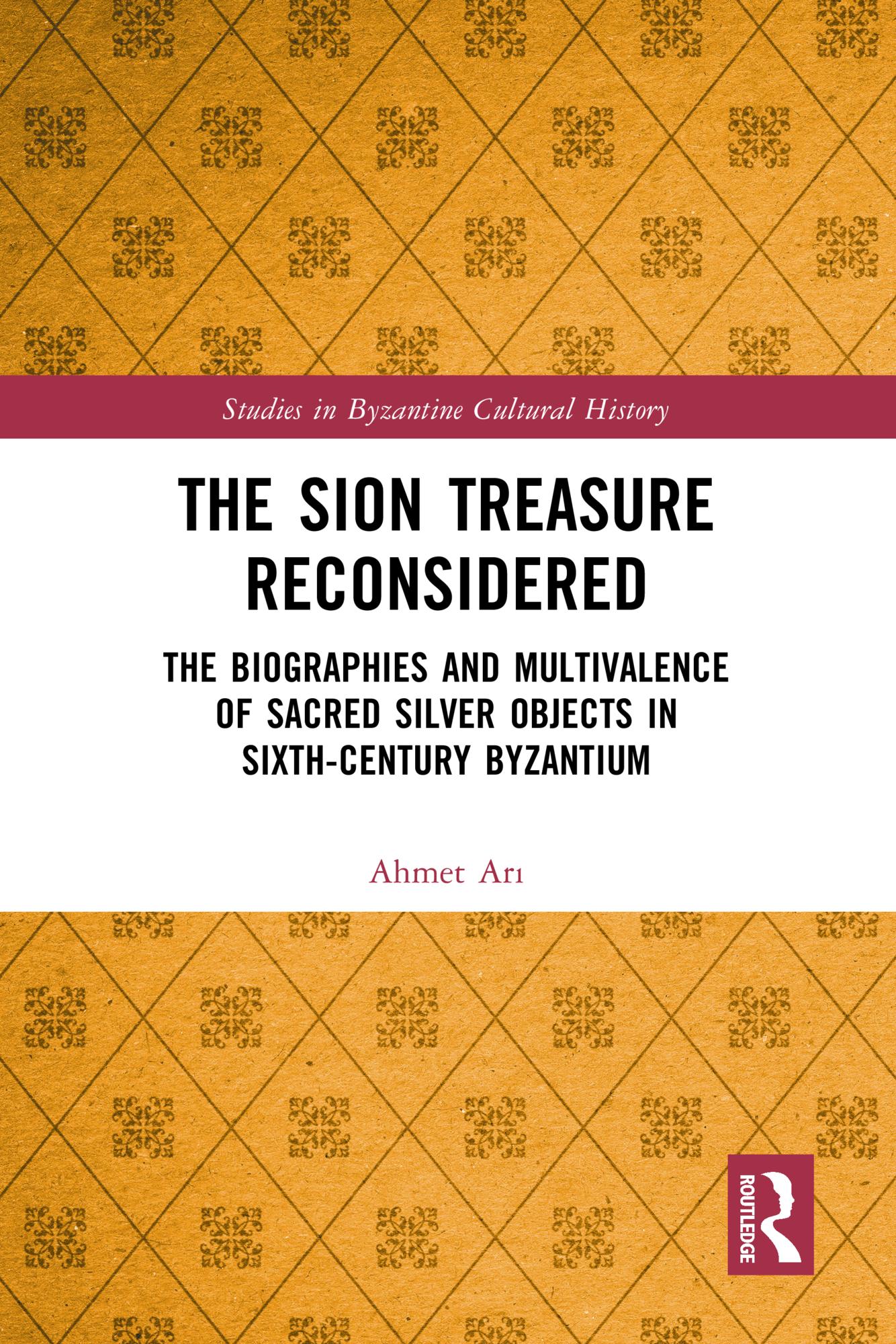
In 1963 a collection of fifty-seven silver vessels was discovered during illegal excavations by villagers in Antalya Province, Turkey. The Sion Treasure, named after the inscription ‘Holy Sion’ on several vessels in the hoard, is now divided between five collections: Antalya Museum (Turkey), Dumbarton Oaks (United States), a private collection in Geneva, the Digby-Jones collection and Hewett collection (United Kingdom).
This book builds on the studies of the Sion Treasure and examines questions regarding silver mining, manufacture, and the economic and cultural role of the silver vessels. It considers the treasure using the concept of the cultural biography of objects. The vessels from the Sion Treasure have not previously been considered in this context and the book highlights the fact that the value and significance of the objects at the time they were created does not lie exclusively in their visual characteristics and aesthetics since their relationship to, and with, people is also significant. While their functionality lends them one life story, another biography is gained through their users: the producers, patrons, and individuals within the church, not only the clergy, who engaged with the objects.
The Sion Treasure Reconsidered will appeal to students and scholars alike interested in Byzantine cultural and material history and medieval material history in general.
Betal nemt med kort, Klarna, Apple Pay eller Google Pay. Ikke tilfreds? Du har altid 14 dages fortrydelsesret. Læs mere i vores vilkår. Har du spørgsmål, så send os en mail på hello@memmo.org.
Memmo gør det nemmere at studere – uanset hvor du er i verden. Hos os samler du dine kursusbøger og smarte studieværktøjer ét sted: resuméer, quizzer, podcasts og flashcards. Og så er der Ted, din studieven, der svarer på alt, du undrer dig over. Over 50 000 studerende studerer allerede her – bygget til at hjælpe dig med at lære hurtigere og stresse mindre.