
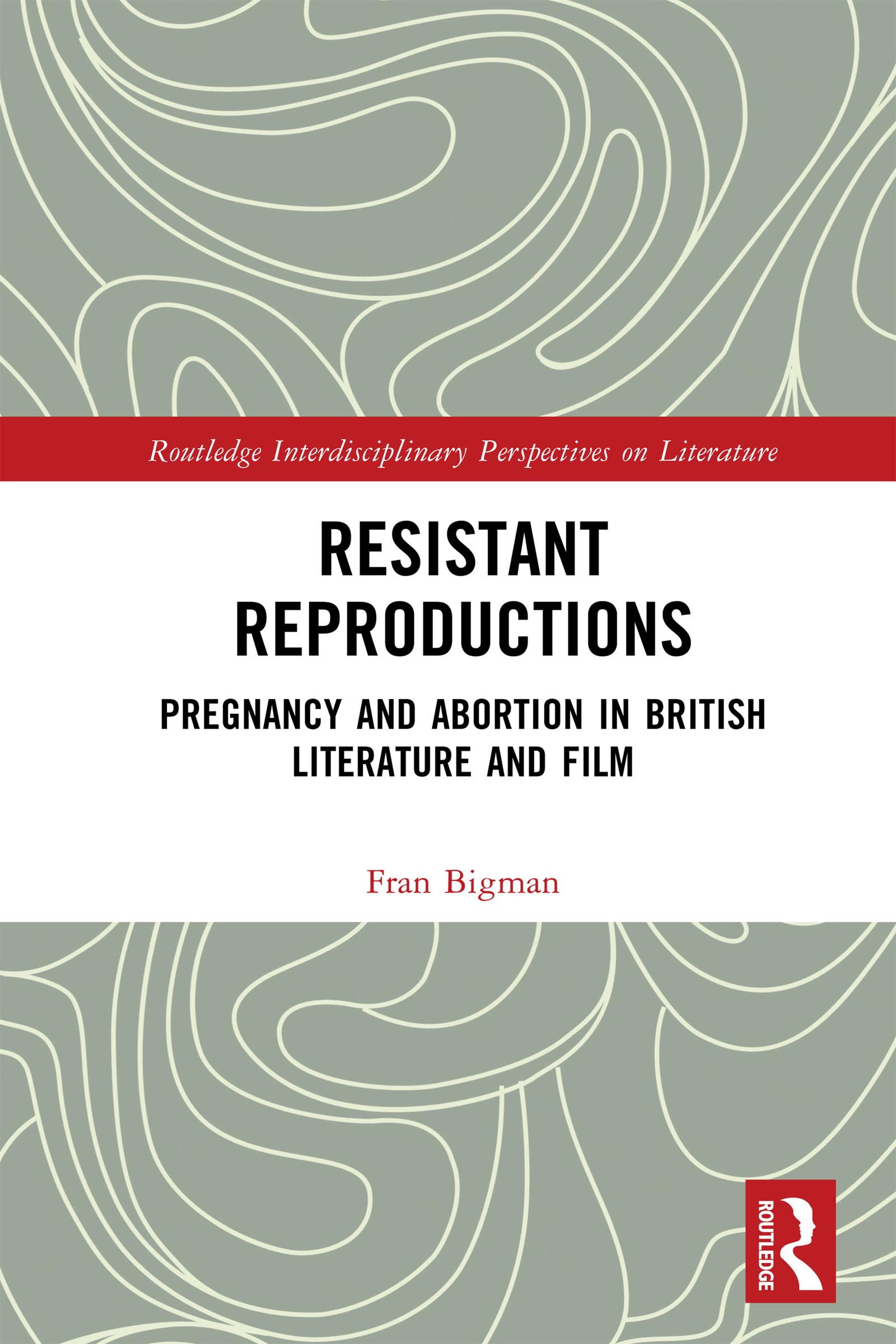
Resistant Reproductions asks why narratives of pregnancy and abortion emerged in the early twentieth century and what kinds of stories these narratives conveyed. Is it only once pregnancy becomes plannable that it becomes a story worth telling? Abortion is often considered resistant and feminist, while pregnancy is considered domestic and conventional. How can readings of literary narratives challenge this reductive binary?
Resistant Reproductions, the first book-length study of both pregnancy and abortion in British culture, addresses these questions by examining pregnancy narratives, including abortion narratives, in British fiction and film from 1907 to 1967. Fiction became a way for writers to explore what new possibilities of reproductive control would mean for the individual, yet there was also much anxiety about who would have control: individuals or the state. While exploring intimate personal experiences of pregnancy and abortion, Resistant Reproductions also asks how literary narratives used reproductive plots to address political issues of gender, class, and eugenics.
Betal nemt med kort, Klarna, Apple Pay eller Google Pay. Ikke tilfreds? Du har altid 14 dages fortrydelsesret. Læs mere i vores vilkår. Har du spørgsmål, så send os en mail på hello@memmo.org.
Memmo gør det nemmere at studere – uanset hvor du er i verden. Hos os samler du dine kursusbøger og smarte studieværktøjer ét sted: resuméer, quizzer, podcasts og flashcards. Og så er der Ted, din studieven, der svarer på alt, du undrer dig over. Over 50 000 studerende studerer allerede her – bygget til at hjælpe dig med at lære hurtigere og stresse mindre.