
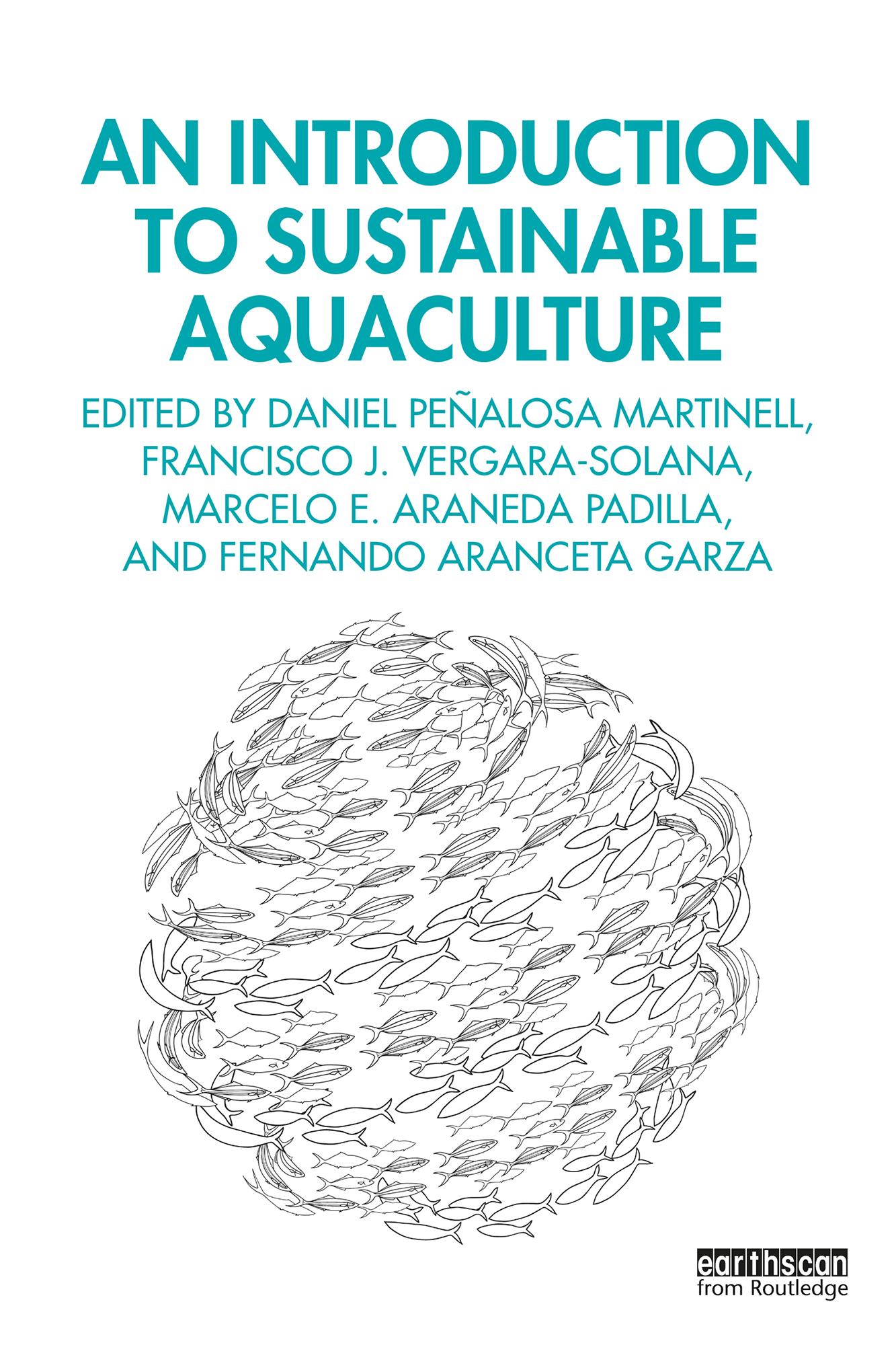
This new textbook provides an accessible introduction to sustainable aquaculture through its relationship with three key pillars: the environment, the economy, and society.
As the demand for seafood keeps increasing, aquaculture is considered one of the most promising and sustainable ways to satisfy this demand with nutritious and high-quality food. It is important to understand, therefore, the wider role and impact aquaculture has on the environment, the economy, and society. The book begins by providing a foundational introduction to aquaculture and sustainability, discussing the complex and interdependent relationship that exists between the two. The core text of the book is divided into four parts which focus on the environment, economics, social impacts, and governance and technologies. Chapters examine key issues surrounding climate change, food security, new technologies, bioeconomics and risk analysis, international cooperation, employment, and animal welfare, with the book concluding with a chapter examining the future directions and challenges for the aquaculture industry. The book draws on global case studies and each chapter is accompanied by recommended reading and chapter review questions to support student learning.
This book will serve as an essential guide for students of aquaculture, fisheries management, and sustainable food, as well as practitioners and policymakers engaged in sustainable fishery development.
Betal nemt med kort, Klarna, Apple Pay eller Google Pay. Ikke tilfreds? Du har altid 14 dages fortrydelsesret. Læs mere i vores vilkår. Har du spørgsmål, så send os en mail på hello@memmo.org.
Memmo gør det nemmere at studere – uanset hvor du er i verden. Hos os samler du dine kursusbøger og smarte studieværktøjer ét sted: resuméer, quizzer, podcasts og flashcards. Og så er der Ted, din studieven, der svarer på alt, du undrer dig over. Over 50 000 studerende studerer allerede her – bygget til at hjælpe dig med at lære hurtigere og stresse mindre.