
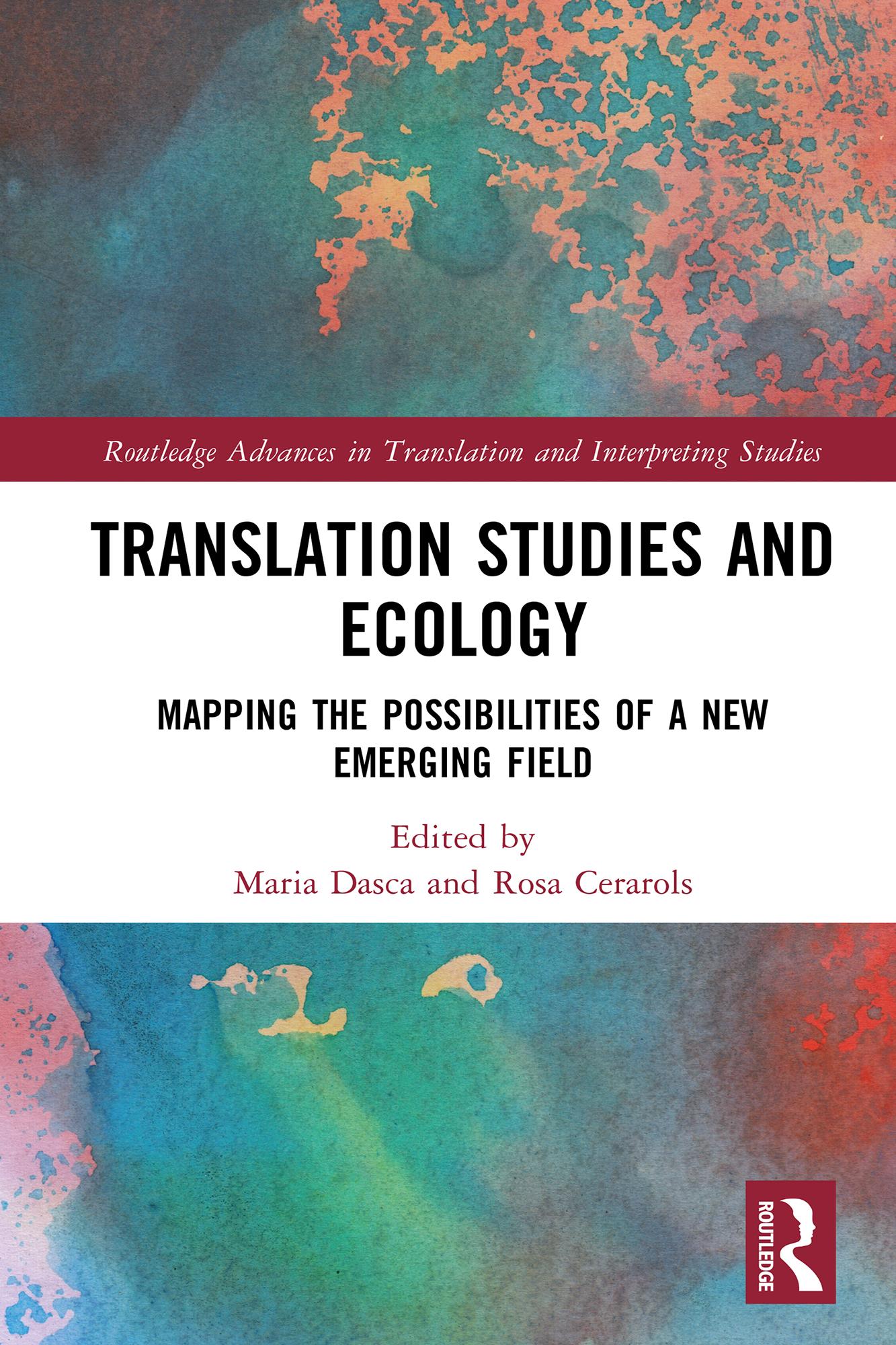
This innovative collection explores the points of contact between translation practice and ecological culture by focusing on the relationship between ecology and translation.
The volume’s point of departure is the idea that translations, like all human activities, have a relational basis. Since they depend on places and communities to which they are addressed as well as on the cultural environment which made them possible, they should be understood as situated cultural practices, governed by a particular political ecology. Through the analysis of phenomena that relate translation and ecological culture (such as the development of ecofeminism; the translation of texts on nature; translation in postcolonial contexts; the role of dialect and minority languages in literary translation and institutional language policies and the translation of texts on migration) the book offers interpretive models that contribute to the development of eco-translation. Th volume showcases a comparative and interdisciplinary approach to an emerging disciplinary field which has gained prominence at the start of the 21st century, and places special emphasis on the perspective of gender and linguistic diversity across a wide range of languages.
This book will be of interest to students and scholars in translation studies, linguistics, communication, cultural studies, and environmental humanities.
Betal nemt med kort, Klarna, Apple Pay eller Google Pay. Ikke tilfreds? Du har altid 14 dages fortrydelsesret. Læs mere i vores vilkår. Har du spørgsmål, så send os en mail på hello@memmo.org.
Memmo gør det nemmere at studere – uanset hvor du er i verden. Hos os samler du dine kursusbøger og smarte studieværktøjer ét sted: resuméer, quizzer, podcasts og flashcards. Og så er der Ted, din studieven, der svarer på alt, du undrer dig over. Over 50 000 studerende studerer allerede her – bygget til at hjælpe dig med at lære hurtigere og stresse mindre.