
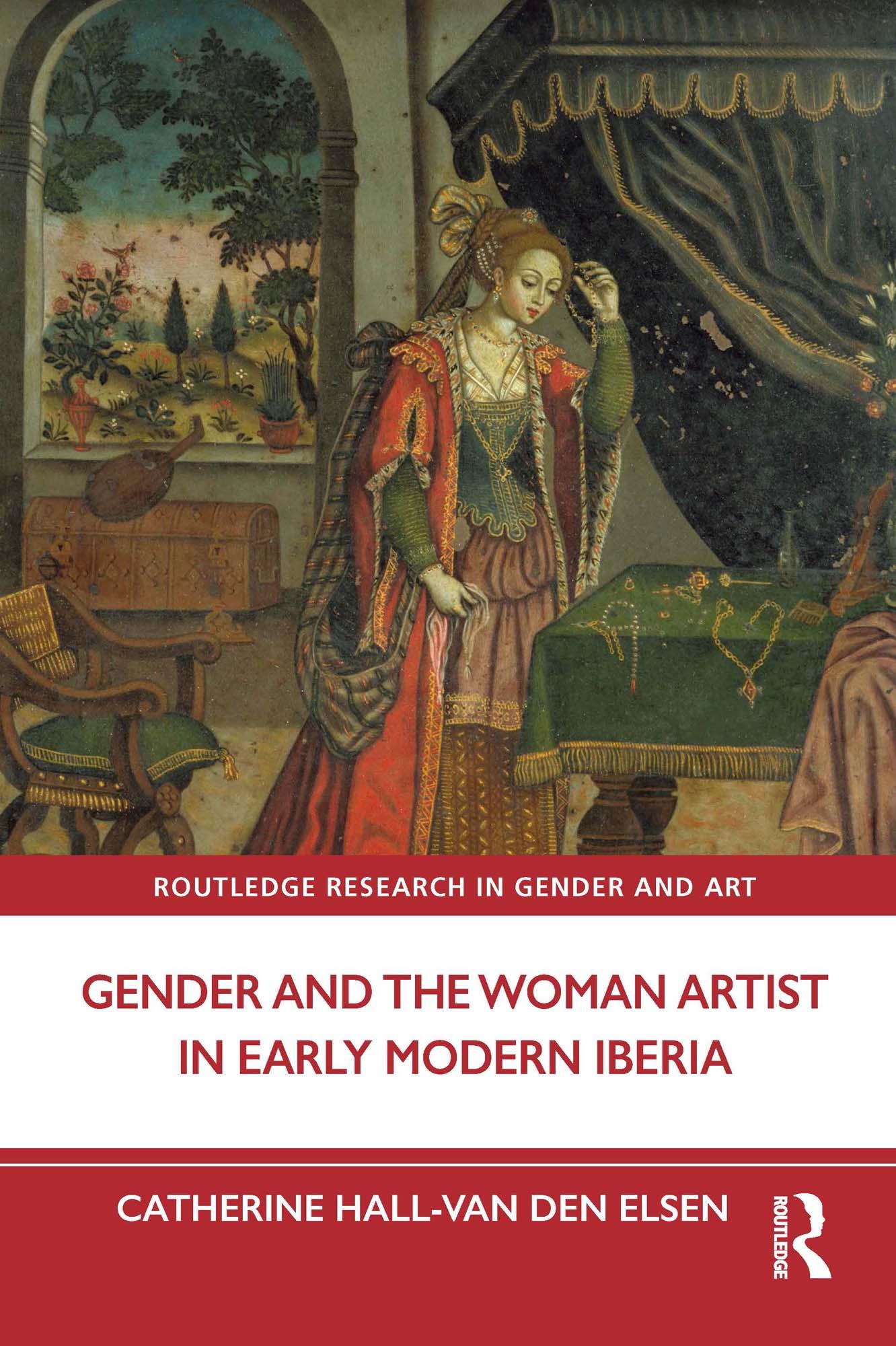
This monograph explores the social constructs surrounding artistic production in early modern Iberia through the lenses of gender and class by examining the rarely considered contribution of creative women in Spain and Portugal between 1550 and 1700.
Using the life-stage framework popular in texts of the period and drawing on a broad spectrum of materials including conduct guidebooks, treatises and conventual rules, this book examines the constraints imposed by gender-related social structures through microhistories of nuns, married, and unmarried women. The text spans class boundaries in its analysis of the work of painters, engravers, and sculptors, many of whom have until now eluded scholarly attention in English-language publications. An extensive bibliography promotes new avenues of inquiry into women’s contributions to the visual arts of the period.
This book will be of interest to scholars working in art history, gender studies, women’s history, early modern Iberian studies, and Renaissance studies.
Betal nemt med kort, Klarna, Apple Pay eller Google Pay. Ikke tilfreds? Du har altid 14 dages fortrydelsesret. Læs mere i vores vilkår. Har du spørgsmål, så send os en mail på hello@memmo.org.
Memmo gør det nemmere at studere – uanset hvor du er i verden. Hos os samler du dine kursusbøger og smarte studieværktøjer ét sted: resuméer, quizzer, podcasts og flashcards. Og så er der Ted, din studieven, der svarer på alt, du undrer dig over. Over 50 000 studerende studerer allerede her – bygget til at hjælpe dig med at lære hurtigere og stresse mindre.