
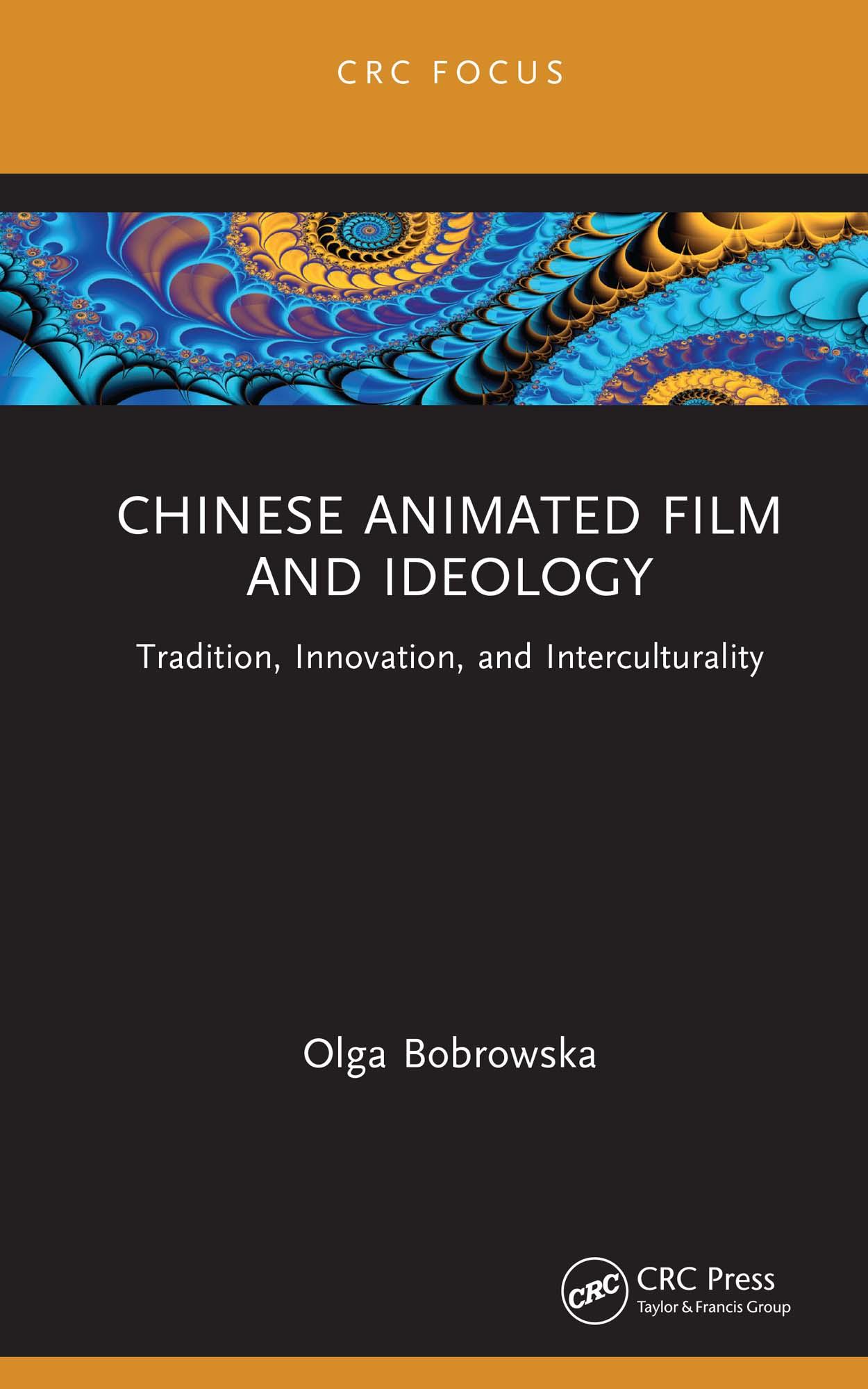
This book presents a contextualized overview of the history of Chinese animated film, pointing out the most influential self-definitions of Chinese culture employed in animation art of Mao Zedong’s rule (1949–1976) but largely focusing on the representation strategies created in the times of reforms and opening-up under Deng Xiaoping (1978–1989/1992).
Deeply grounded in cultural studies, the book employs an interdisciplinary approach, interlacing the reflection with the perspectives of political science, film studies, and film festival studies. It focuses on phenomena anchored to the paradigms of nationalization, reform, and internationalization: among them, nuanced understanding of the minzu (national) category (including the classic style of Chinese animation); invention of wash-and-ink painting animation (shuimo donghua); renewal of film theory and animated film language; soft power and cultural diplomacy; and regular access and co-creation of the international industry (festival distribution).
This book will be of great interest to those in the fields of animation studies, film studies, political science, Chinese area studies, and Chinese philology.
Betal nemt med kort, Klarna, Apple Pay eller Google Pay. Ikke tilfreds? Du har altid 14 dages fortrydelsesret. Læs mere i vores vilkår. Har du spørgsmål, så send os en mail på hello@memmo.org.
Memmo gør det nemmere at studere – uanset hvor du er i verden. Hos os samler du dine kursusbøger og smarte studieværktøjer ét sted: resuméer, quizzer, podcasts og flashcards. Og så er der Ted, din studieven, der svarer på alt, du undrer dig over. Over 50 000 studerende studerer allerede her – bygget til at hjælpe dig med at lære hurtigere og stresse mindre.