
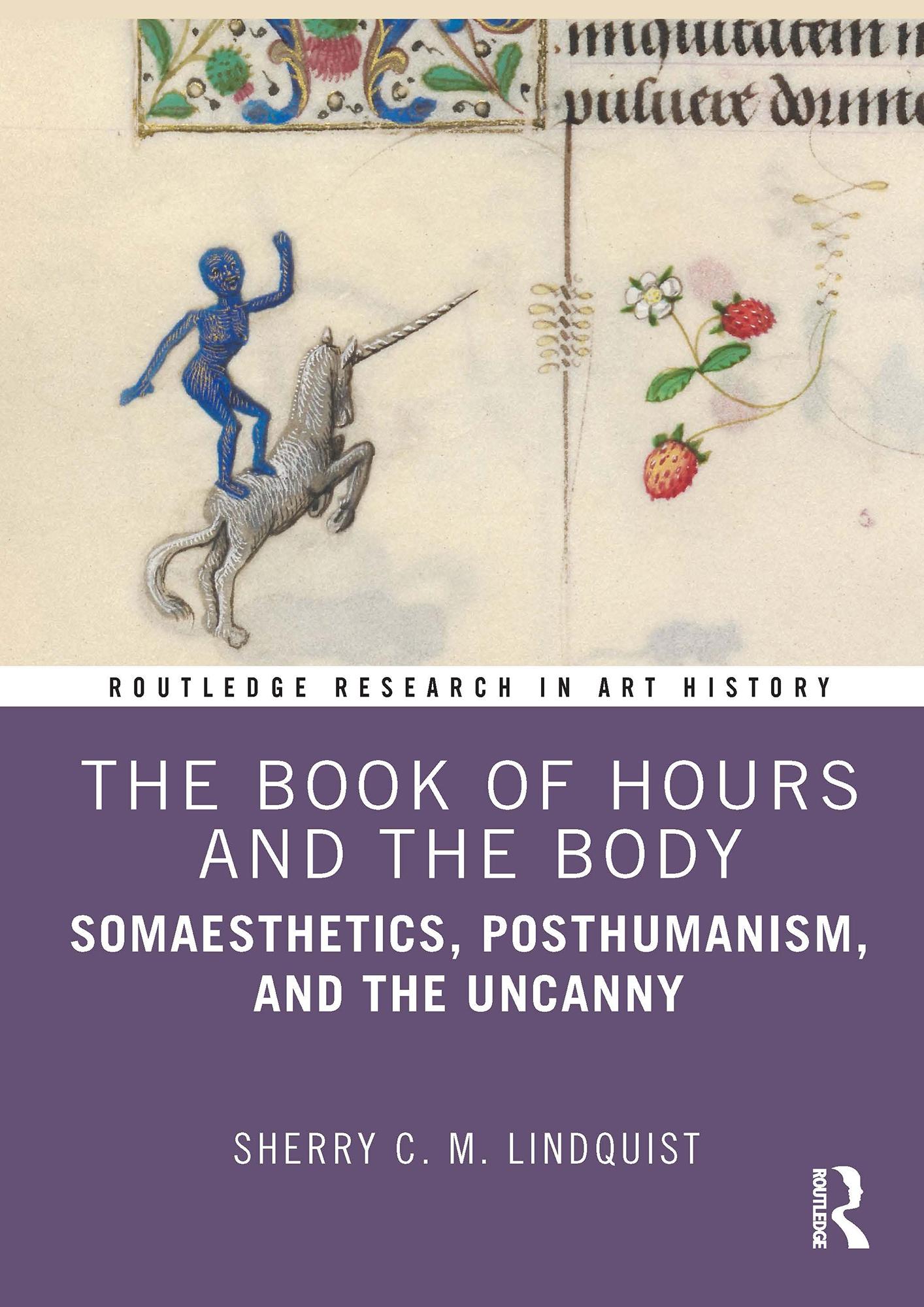
This book explores our corporeal connections to the past by considering what three theoretical approaches - somaesthetics, posthumanism, and the uncanny - may reveal about both premodern and postmodern terms of embodiment.
It takes as its point of departure a selection of fifteenth-century northern European Books of Hours - evocative objects designed at once to inscribe social status, to strengthen religious commitment, to entertain, to stimulate emotions, and to encourage discomfiting self-scrutiny. Studying their kaleidoscopically strange, moving, humorous, disturbing, and imaginative pages not only enables a window into relationships among bodies, images, and things in the past but also in our own internet era, where surprisingly popular memes drawn from such manuscripts constitute a part of our own visual culture.
In negotiating theoretical, post-theoretical, and historical concerns, this book aims to contribute to an emerging and much-needed intersectional social history of art. It will be of interest to scholars working in art history, medieval studies, Renaissance/early modern studies, gender studies, the history of the book, posthumanism, aesthetics, and the body.
Betal nemt med kort, Klarna, Apple Pay eller Google Pay. Ikke tilfreds? Du har altid 14 dages fortrydelsesret. Læs mere i vores vilkår. Har du spørgsmål, så send os en mail på hello@memmo.org.
Memmo gør det nemmere at studere – uanset hvor du er i verden. Hos os samler du dine kursusbøger og smarte studieværktøjer ét sted: resuméer, quizzer, podcasts og flashcards. Og så er der Ted, din studieven, der svarer på alt, du undrer dig over. Over 50 000 studerende studerer allerede her – bygget til at hjælpe dig med at lære hurtigere og stresse mindre.