
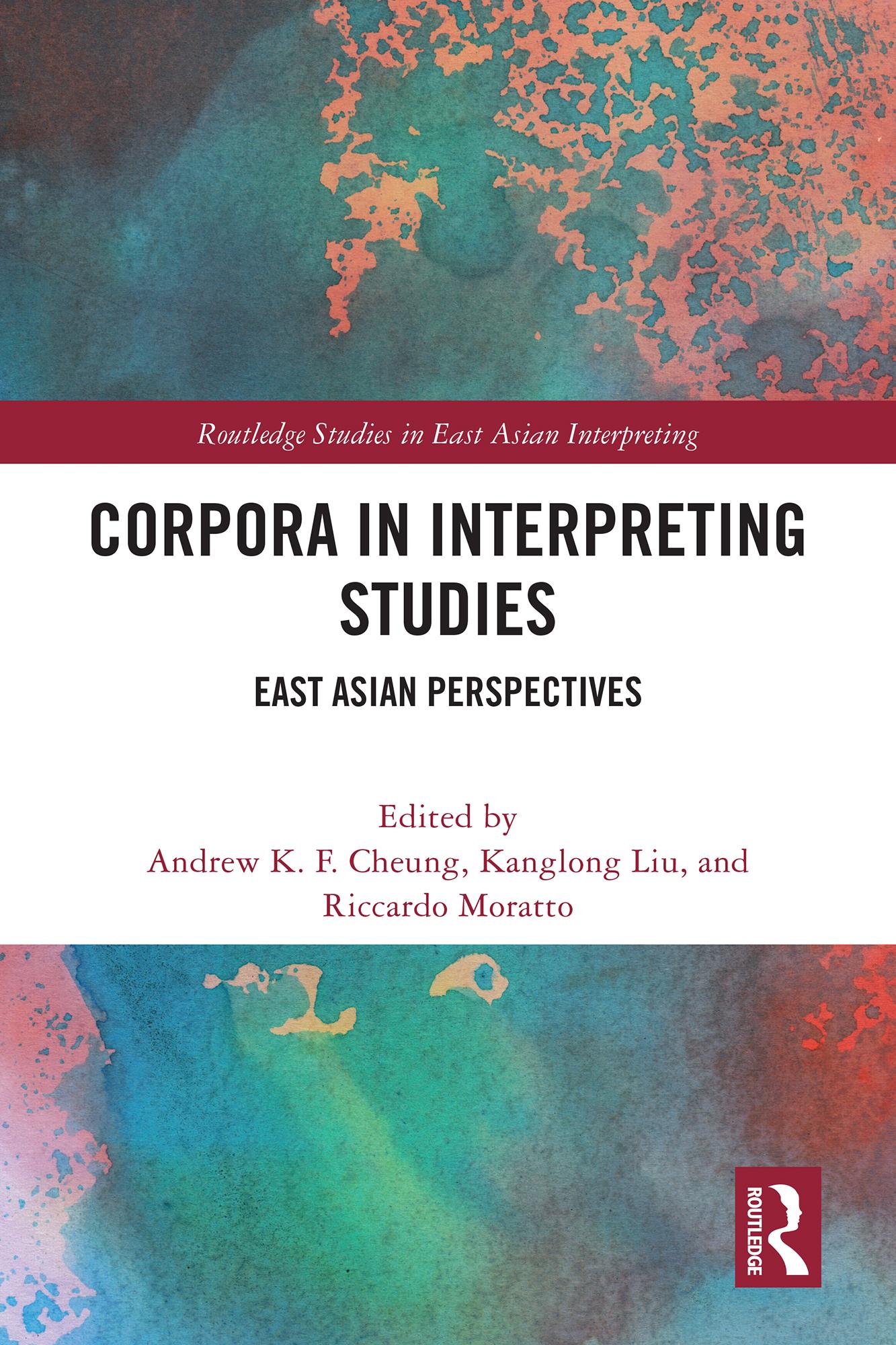
Cheung, Liu, Moratto, and their contributors examine how corpora can be effectively harnessed to benefit interpreting practice and research in East Asian settings.
In comparison to the achievements made in the field of corpus- based translation studies, the use of corpora in interpreting is not comparable in terms of scope, methods, and agenda. One of the predicaments that hampers this line of inquiry is the lack of systematic corpora to document spoken language. This issue is even more pronounced when dealing with East Asian languages such as Chinese, Japanese, and Korean, which are typologically different from European languages. As language plays a pivotal role in interpreting research, the use of corpora in interpreting within East Asian contexts has its own distinct characteristics as well as methodological constraints and concerns. However, it also generates new insights and findings that can significantly advance this research field.
A valuable resource for scholars of scholars focusing on corpus interpreting, particularly those dealing with East Asian languages.
Betal nemt med kort, Klarna, Apple Pay eller Google Pay. Ikke tilfreds? Du har altid 14 dages fortrydelsesret. Læs mere i vores vilkår. Har du spørgsmål, så send os en mail på hello@memmo.org.
Memmo gør det nemmere at studere – uanset hvor du er i verden. Hos os samler du dine kursusbøger og smarte studieværktøjer ét sted: resuméer, quizzer, podcasts og flashcards. Og så er der Ted, din studieven, der svarer på alt, du undrer dig over. Over 50 000 studerende studerer allerede her – bygget til at hjælpe dig med at lære hurtigere og stresse mindre.