
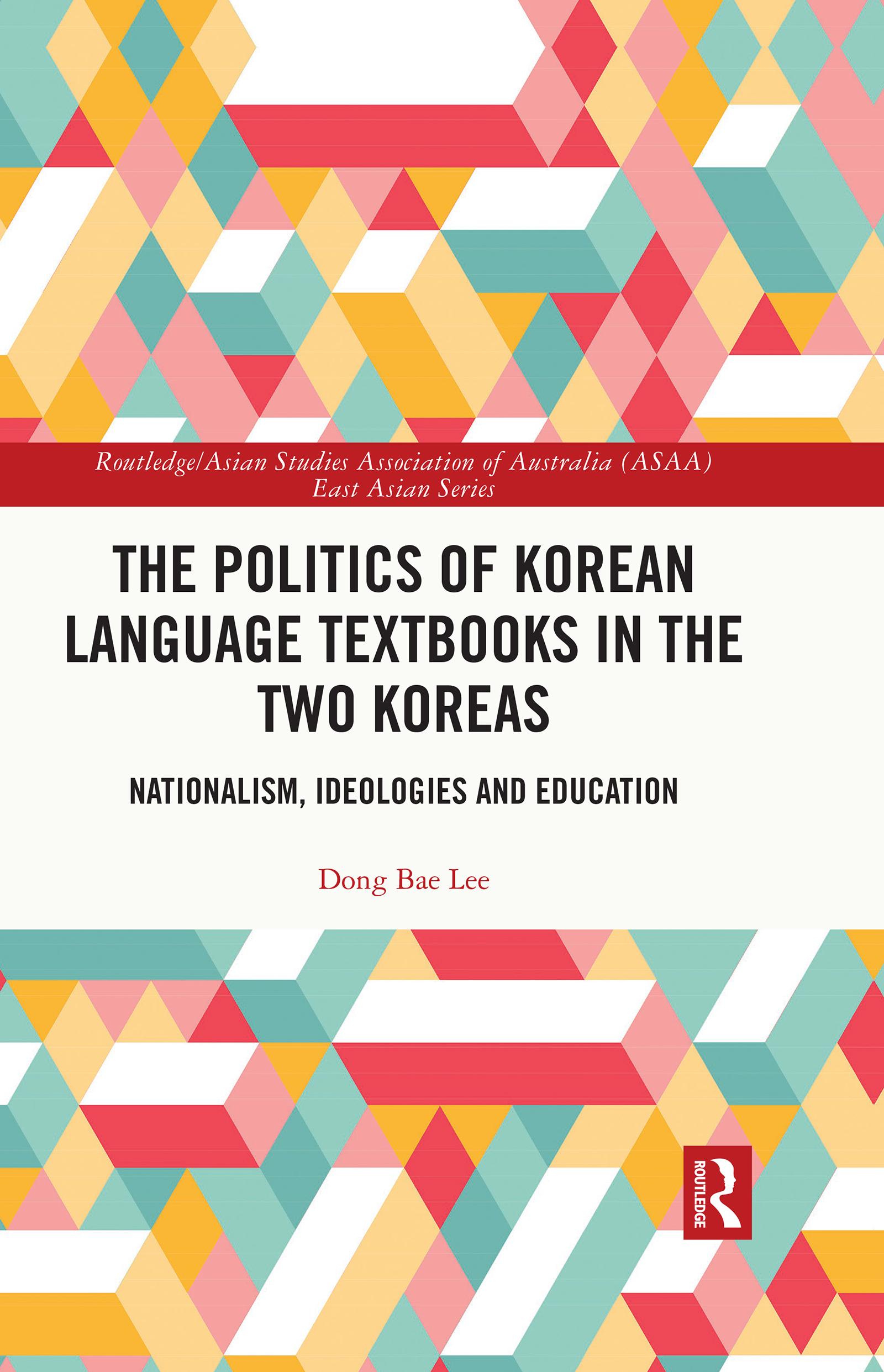
This book investigates the politics embedded in the Korean-language textbooks utilised between 1895 and 2019, within the context of one Korea (pre-colonial and colonial eras), the divided Koreas, and an ethnic Korean group residing in Japan (Chongryon).
By analysing the inclusions and omissions from Korean-language the author successfully highlights the impact of Korean politics, making clear how rulers have attempted to control their citizens and legitimize their rule by using primary school Korean-language textbooks as a medium for political education and inculcation. It succinctly displays how different visions of ‘ideal citizenship’ have been presented in Korea and traces the resulting shift in views towards neighbouring nations as a result, identifying how different rival countries were demonized at different times. This chapter also shows some consistent omissions, such as the lower classes and marginalized individuals within their respective nations.
Presenting recommendations for potential improvements of the content of future textbooks this study will be of interest to students of Asian Studies, Post-colonial Studies, Critical Curriculum Studies, Critical Discourse Studies, and Korean Studies.
Betal nemt med kort, Klarna, Apple Pay eller Google Pay. Ikke tilfreds? Du har altid 14 dages fortrydelsesret. Læs mere i vores vilkår. Har du spørgsmål, så send os en mail på hello@memmo.org.
Memmo gør det nemmere at studere – uanset hvor du er i verden. Hos os samler du dine kursusbøger og smarte studieværktøjer ét sted: resuméer, quizzer, podcasts og flashcards. Og så er der Ted, din studieven, der svarer på alt, du undrer dig over. Over 50 000 studerende studerer allerede her – bygget til at hjælpe dig med at lære hurtigere og stresse mindre.