
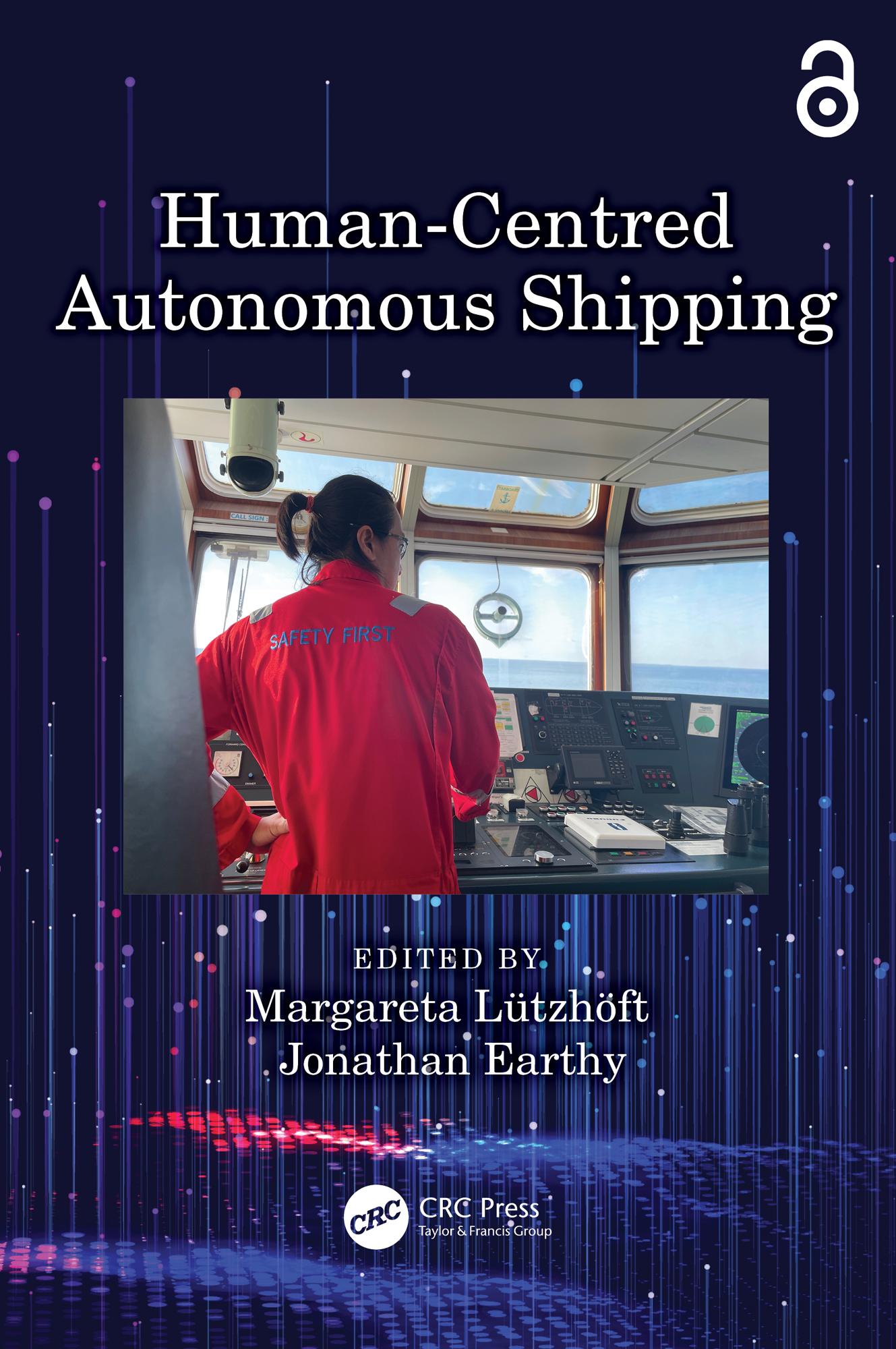
Tracing the development of autonomous and automated shipping from a hype of unmanned ships to a more realistic use of automation to augment humans in maritime operations, this book shows why human factors and human-centred design are essential to the endeavour.
Themes addressed in the book include technology and cybersecurity, regulation and classification, and competence and skills. It combines commentary and insight from experts across the industry as well as academia and describes a roller-coaster ride from conceptual idea via a period of hype where technologists and engineers enthusiastically advocated a rapid development as many others in the maritime industry felt compelled, but struggled, to follow and finally to a more measured view as cumulative experience started to show the limitations, risks, and the lack of a generic business case.
This book is intended for anyone working in, researching in, or simply interested in shipping and the maritime domain and the evolution of autonomous shipping. The target audience includes regulators, educators, researchers, engineers, and manufacturers.
The Open Access version of this book, available at http://www.taylorfrancis.com, has been made available under a Creative Commons Attribution-Non Commercial-No Derivatives (CC-BY-NC-ND) 4.0 license
Betal nemt med kort, Klarna, Apple Pay eller Google Pay. Ikke tilfreds? Du har altid 14 dages fortrydelsesret. Læs mere i vores vilkår. Har du spørgsmål, så send os en mail på hello@memmo.org.
Memmo gør det nemmere at studere – uanset hvor du er i verden. Hos os samler du dine kursusbøger og smarte studieværktøjer ét sted: resuméer, quizzer, podcasts og flashcards. Og så er der Ted, din studieven, der svarer på alt, du undrer dig over. Over 50 000 studerende studerer allerede her – bygget til at hjælpe dig med at lære hurtigere og stresse mindre.