
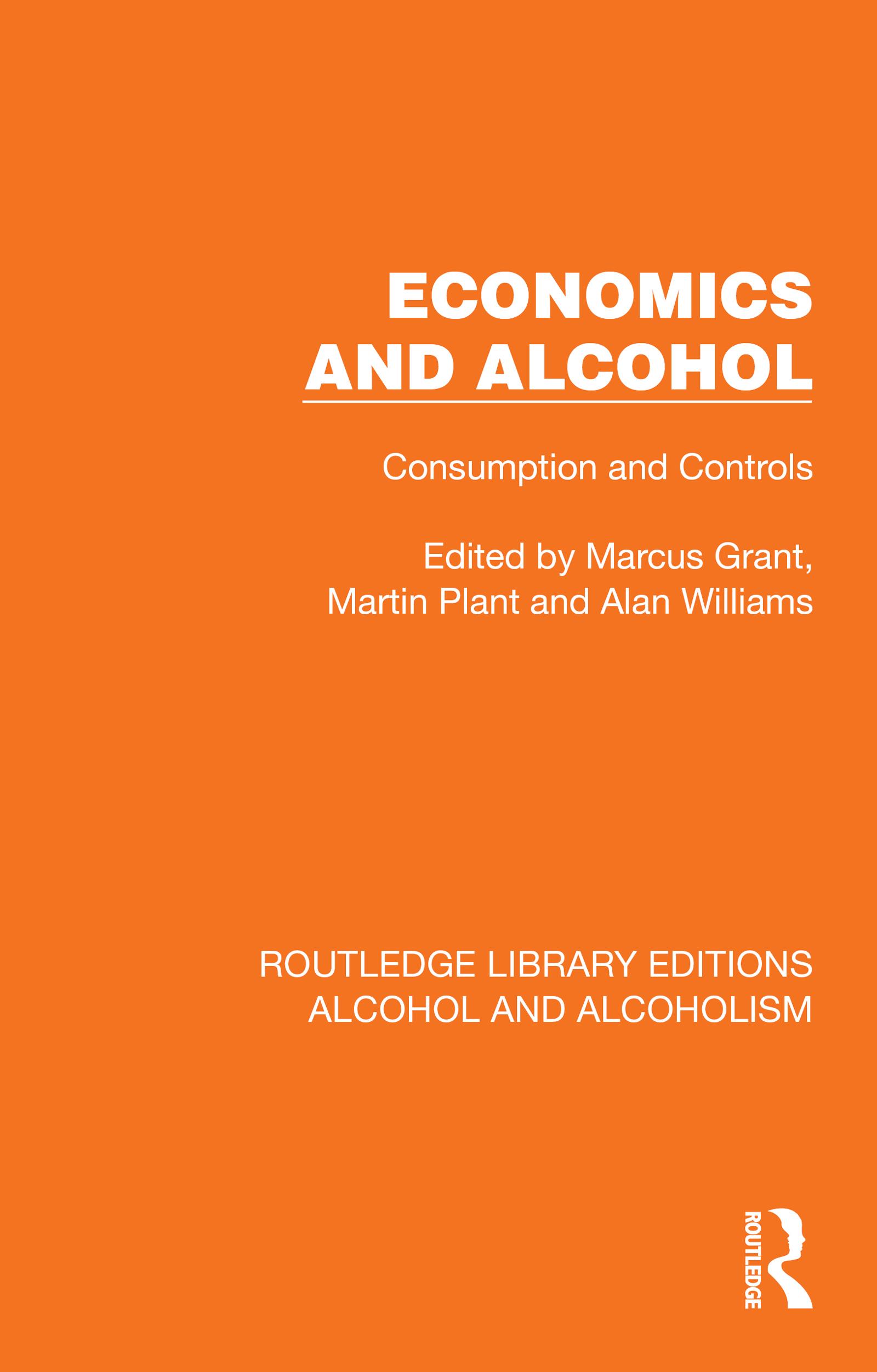
During the 1950s, 1960s and 1970s, general levels of alcohol consumption had risen considerably in all parts of the world. In association with this, there was a proliferation of alcohol-related problems such as liver disease, drunkenness offences, marital disharmony and employment difficulties. Many factors influence the probability of alcohol addiction and the habits of drinking; they include age, sex, race, occupation and income.
Economic aspects of the use and misuse of alcohol had been attracting increasing attention during the early 1980s. Politicians and scholars alike had drawn attention to the benefits of a vigorous alcohol industry on the one hand, and on the other, the costs of providing medical, social and educational services for those suffering from alcohol-related problems. Originally published in 1983, the real nature of the relationship between economics and alcohol is explored in detail for the first time in this book. It argues for increased participation by economists in the processes of social policy decision-making and considers the key issues of cost-benefit analyses, control policies, taxation and programme efficiency. No easy solutions are provided, but a host of unjustified assumptions about this subject are clarified. This book paved the way for substantial future collaboration between economists and those involved in alcohol studies.
Betal nemt med kort, Klarna, Apple Pay eller Google Pay. Ikke tilfreds? Du har altid 14 dages fortrydelsesret. Læs mere i vores vilkår. Har du spørgsmål, så send os en mail på hello@memmo.org.
Memmo gør det nemmere at studere – uanset hvor du er i verden. Hos os samler du dine kursusbøger og smarte studieværktøjer ét sted: resuméer, quizzer, podcasts og flashcards. Og så er der Ted, din studieven, der svarer på alt, du undrer dig over. Over 50 000 studerende studerer allerede her – bygget til at hjælpe dig med at lære hurtigere og stresse mindre.