
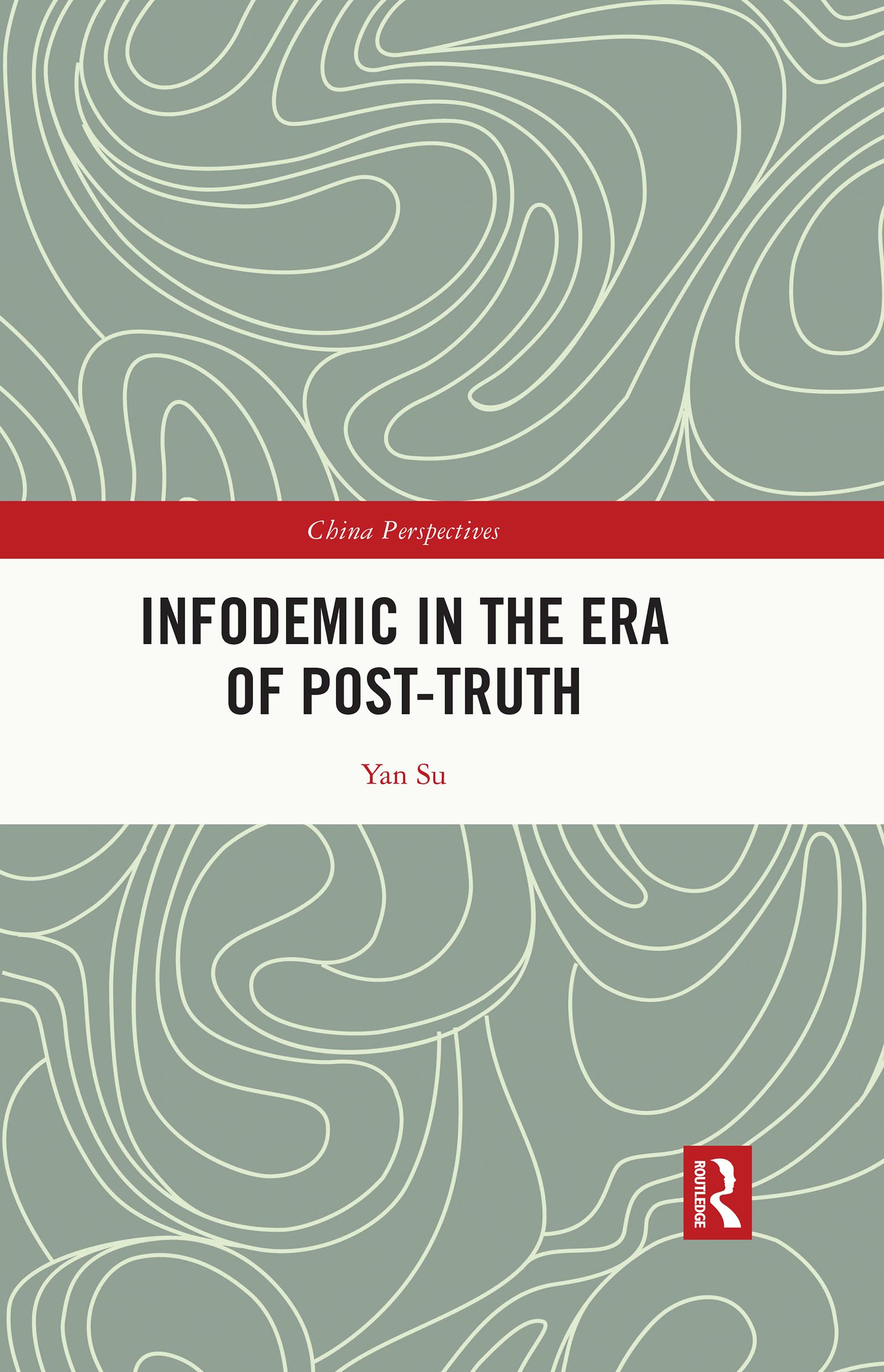
With the revolution in information technology, concerns about the proliferation of false, unverified, and misleading information have been growing. As one of the severe public health crises in modern history, the COVID-19 pandemic has provided a novel context for the "post-truth" research. In a "post-truth" era, people are no longer interested in investigating objective facts, but tend to curl up in echo chambers and resonate with like-minded others. Against this backdrop, this book (1) systematically conceptualises "post-truth" and analyzes its defining characteristics and driving forces, (2) examines the nuanced effects of information sources and news consumption behaviours and strategies on COVID-19 misperceptions and knowledge, (3) explores the role of social media in shaping COVID-19-related misperceptions and knowledge, and (4) highlights the importance of news media literacy in navigating the "post-truth" era.
The book will be essential reading for students and scholars of media and film studies, communication studies and comparative studies. It will also be a useful reference for medical and media professionals such as doctors, nurses and journalists.
Betal nemt med kort, Klarna, Apple Pay eller Google Pay. Ikke tilfreds? Du har altid 14 dages fortrydelsesret. Læs mere i vores vilkår. Har du spørgsmål, så send os en mail på hello@memmo.org.
Memmo gør det nemmere at studere – uanset hvor du er i verden. Hos os samler du dine kursusbøger og smarte studieværktøjer ét sted: resuméer, quizzer, podcasts og flashcards. Og så er der Ted, din studieven, der svarer på alt, du undrer dig over. Over 50 000 studerende studerer allerede her – bygget til at hjælpe dig med at lære hurtigere og stresse mindre.