
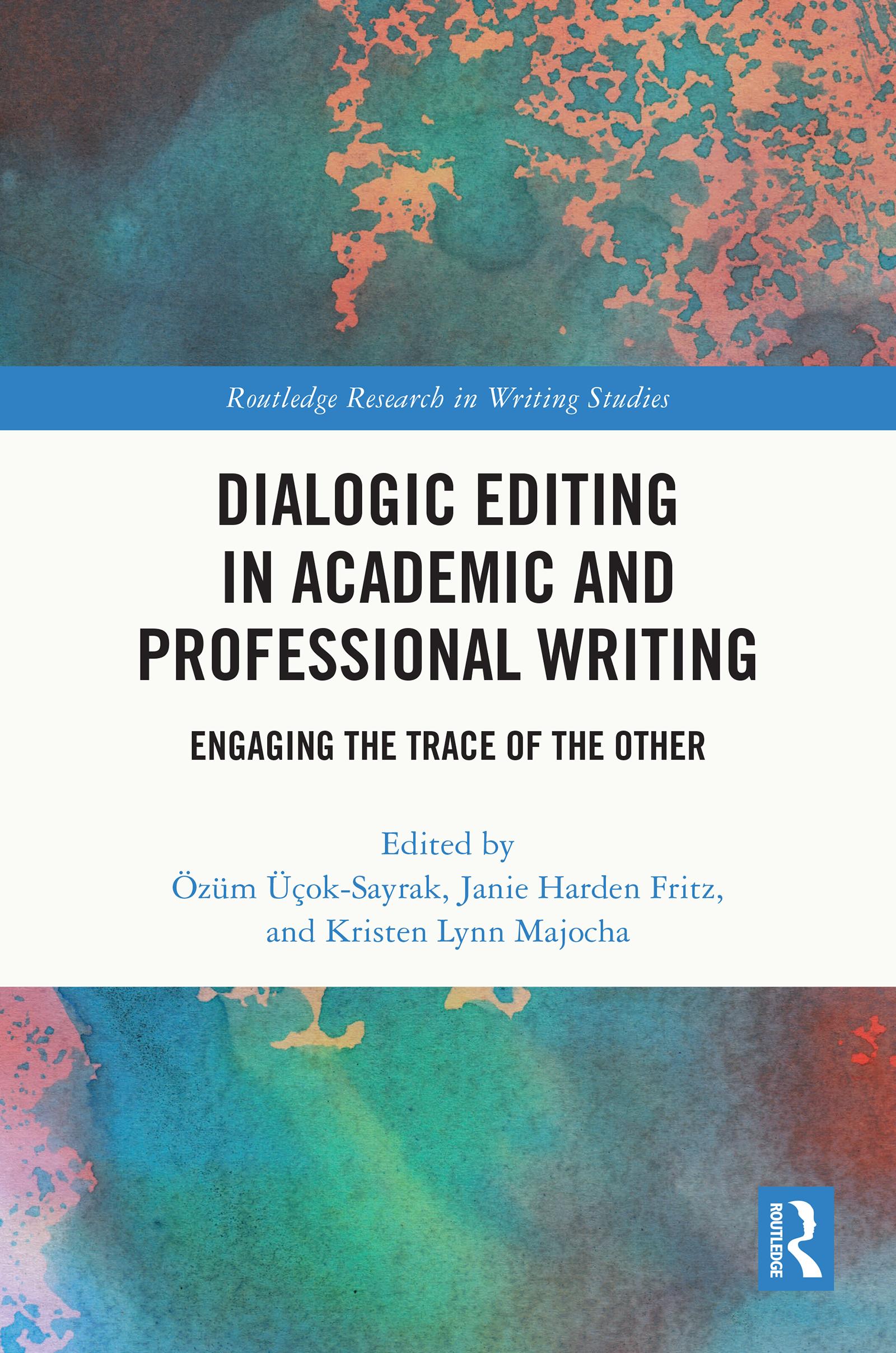
This book brings attention to the communicative process of editing as a dialogic experience that is attentive to the voice of the Other and underlines an ethical turn for the editing process.
The volume focuses on an essential, yet undertheorized, aspect of the communicative practice of editing by reading and receiving the voice of the Other and offering feedback toward assisting the text to find a voice without turning it into the voice of the editor. Utilizing the theoretical and philosophical frameworks of a diverse group of leading scholars and philosophers, contributors to this volume explore the editing process as connected to communication ethics that calls for discernment of what matters.
With its philosophical underpinnings, this book will especially be of interest to researchers and students in multiple disciplines in humanities and the social sciences, including communication studies, dialogue studies, philosophy, literature, composition studies, education, history, anthropology, psychology, sociology, religious studies, and political science.
Betal nemt med kort, Klarna, Apple Pay eller Google Pay. Ikke tilfreds? Du har altid 14 dages fortrydelsesret. Læs mere i vores vilkår. Har du spørgsmål, så send os en mail på hello@memmo.org.
Memmo gør det nemmere at studere – uanset hvor du er i verden. Hos os samler du dine kursusbøger og smarte studieværktøjer ét sted: resuméer, quizzer, podcasts og flashcards. Og så er der Ted, din studieven, der svarer på alt, du undrer dig over. Over 50 000 studerende studerer allerede her – bygget til at hjælpe dig med at lære hurtigere og stresse mindre.