
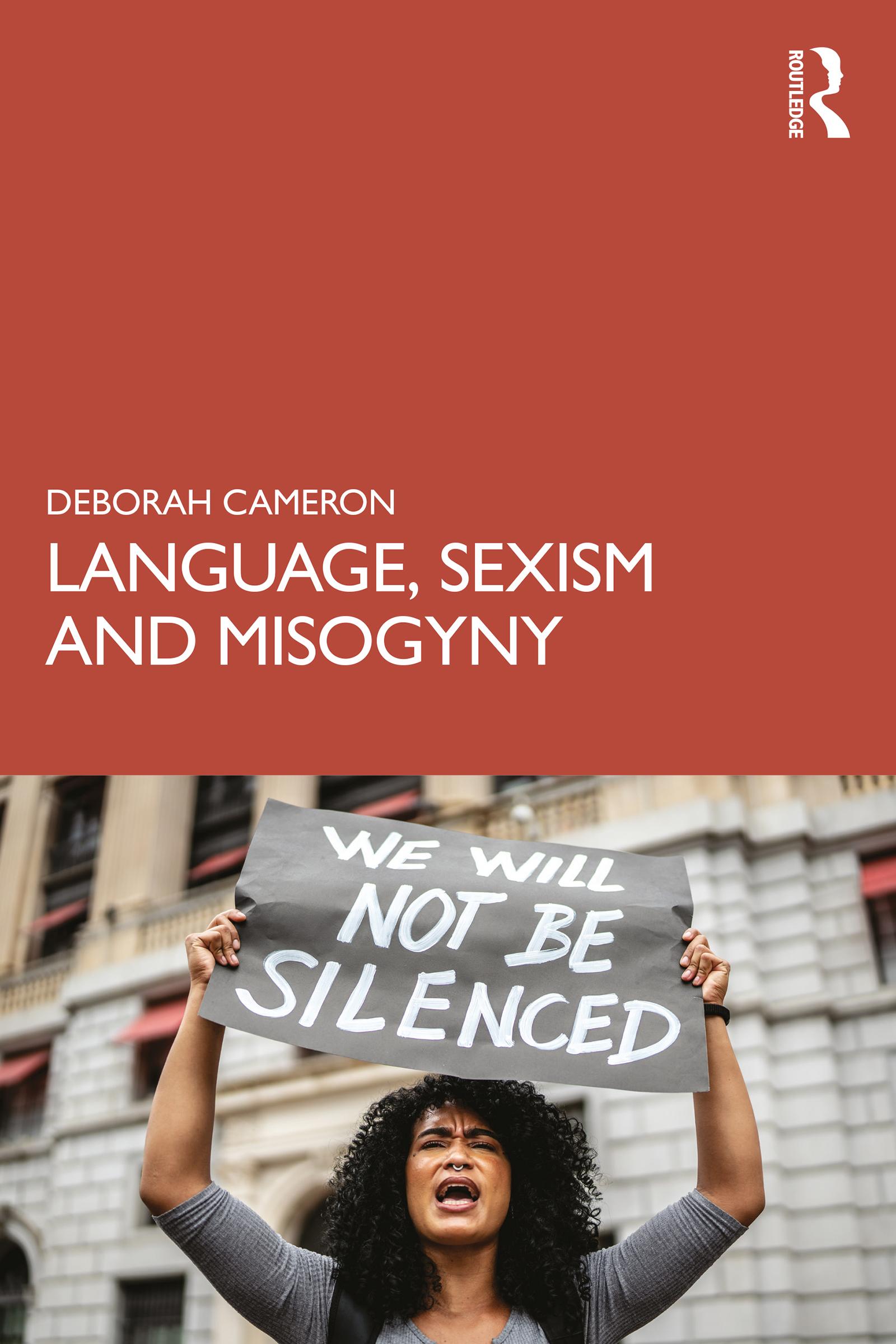
In this vitally important and engaging text, leading feminist linguist Deborah Cameron explores the role of language and discourse in perpetuating sexism and misogyny in the twenty-first century.
Covering how the linguistic expression of prejudice against women has evolved during the last fifty years, the author of the blog Language: A feminist guide pays attention both to the persistence of familiar problems, such as the dominance of men in many interactional settings, and to the emergence of new challenges such as the global rise of misogynist extremism online. The book provides students and general readers with an up-to-date survey of ideas, debates and research on a wide range of key topics, including sexist attitudes to women’s speech, verbal sexual harassment in public spaces offline and online, biases in vocabulary and grammar, the discourse of the online "manosphere" and the way violence against women is reported by the news media. Moreover, the author outlines the efforts activists have made to change sexist and misogynist language, asking what has been achieved so far, and how a new generation is addressing current concerns. Accessible, non-technical and informed by scholarship from a wide range of disciplines from linguistics and anthropology to history, media studies and sociology, this text is essential reading for courses on language and gender in English language, linguistics, women’s and gender studies, media and communication studies.
Betal nemt med kort, Klarna, Apple Pay eller Google Pay. Ikke tilfreds? Du har altid 14 dages fortrydelsesret. Læs mere i vores vilkår. Har du spørgsmål, så send os en mail på hello@memmo.org.
Memmo gør det nemmere at studere – uanset hvor du er i verden. Hos os samler du dine kursusbøger og smarte studieværktøjer ét sted: resuméer, quizzer, podcasts og flashcards. Og så er der Ted, din studieven, der svarer på alt, du undrer dig over. Over 50 000 studerende studerer allerede her – bygget til at hjælpe dig med at lære hurtigere og stresse mindre.