
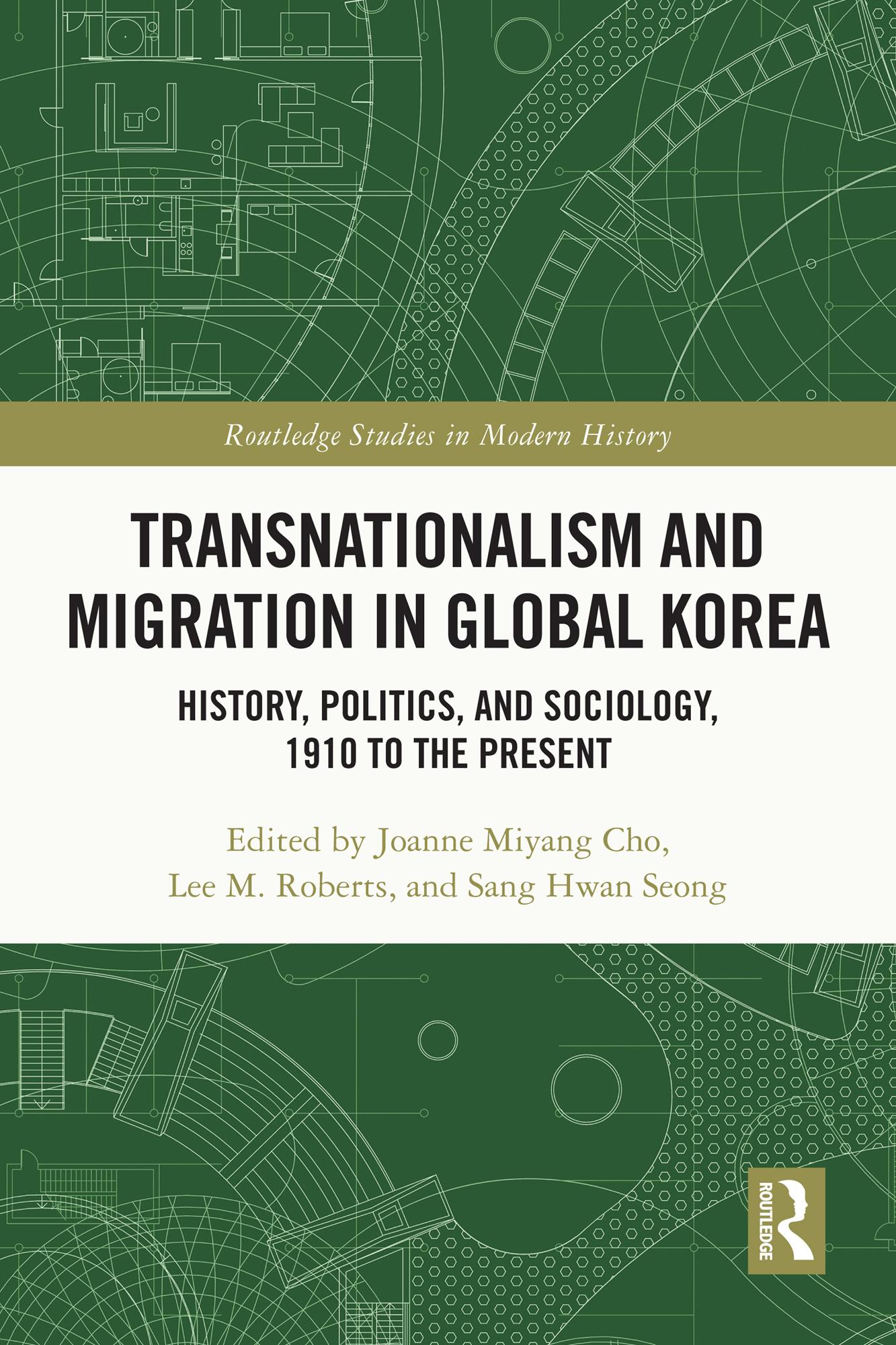
Contrary to the image of Korea as a largely self-contained country until its economy became global during the 1990s, this book shows that transnationalism has firmly been part of modern Korea’s national experience throughout its existence.
The volume portrays Korea’s frequent transnational entanglements with other nations in East Asia and the West from the start of its annexation into the Empire of Japan in 1910 to the present day. It explores how modern Korea negotiated its complicated colonial relations with imperial Japan and its political and economic relations with the West in meeting the challenges of the globalized world. Early chapters cover the origins of Korea’s democratic republicanism among Korean immigrants in the United States, the Royal-Dutch oil industry in Korea, and prisons in the Japanese empire. From the latter half of the twentieth century to the present, the book probes Cold War politics between Korea and Europe, transnational Korean communities in China, Japan, the Russian Far East, and the West, and ethnic Korean returnees from the Russian Far East.
With contributions from leading international scholars, this collection’s attention to modern Korean history, economy, gender studies, and migration is ideal for upper-level undergraduates and postgraduates.
Betal nemt med kort, Klarna, Apple Pay eller Google Pay. Ikke tilfreds? Du har altid 14 dages fortrydelsesret. Læs mere i vores vilkår. Har du spørgsmål, så send os en mail på hello@memmo.org.
Memmo gør det nemmere at studere – uanset hvor du er i verden. Hos os samler du dine kursusbøger og smarte studieværktøjer ét sted: resuméer, quizzer, podcasts og flashcards. Og så er der Ted, din studieven, der svarer på alt, du undrer dig over. Over 50 000 studerende studerer allerede her – bygget til at hjælpe dig med at lære hurtigere og stresse mindre.