
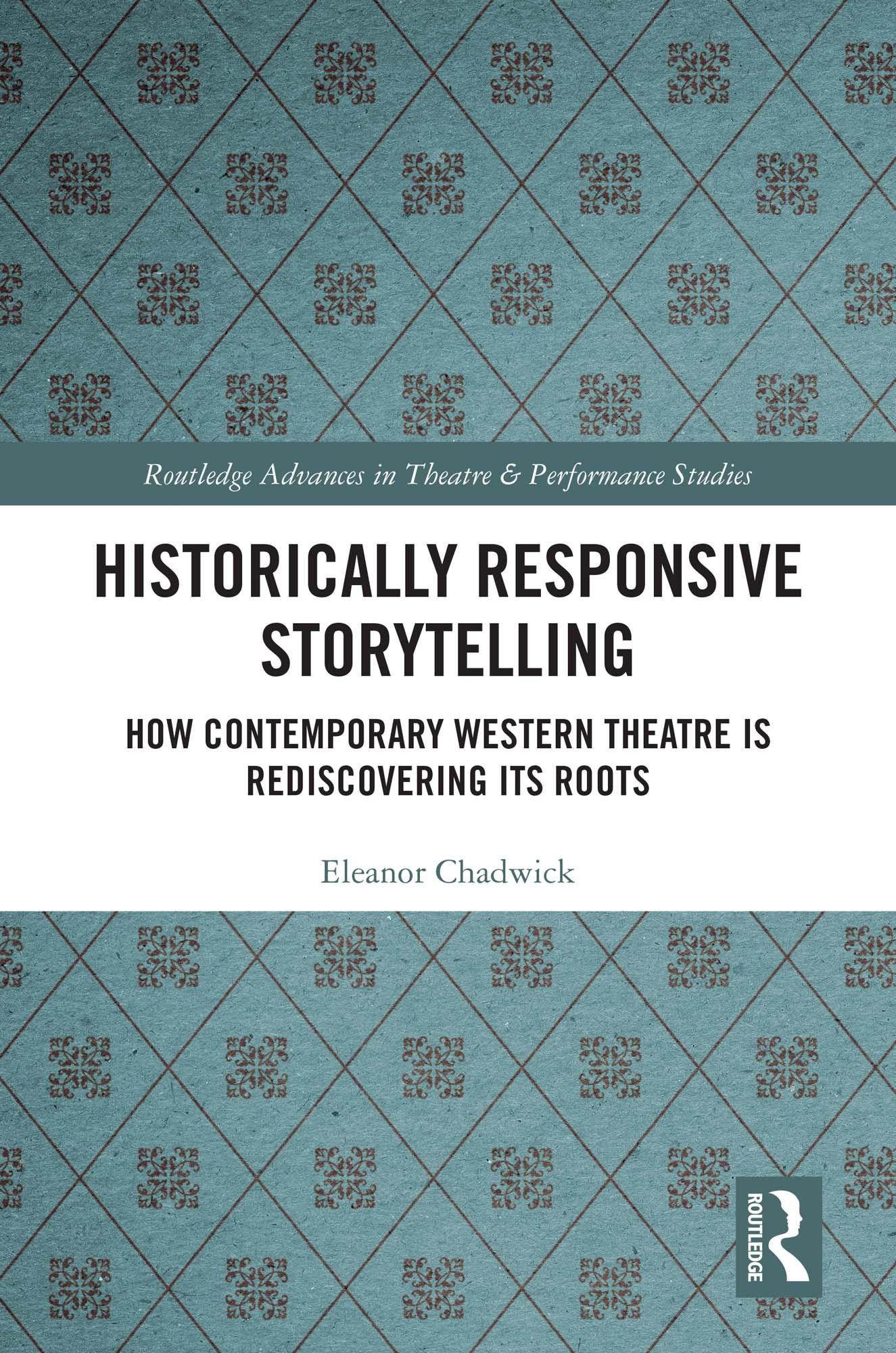
This book explores the notion that the emergent language of contemporary theatre, and more generally of modern culture, has links to much earlier forms of storytelling and an ancient worldview.
This volume looks at our diverse and amalgamative theatrical inheritance and discusses various practitioners and companies whose work reflects and recapitulates ideas, approaches, and structures original to theatre’s ritual roots. Drawing together a range of topics and examples from the early Middle Ages to the modern day, Chadwick focuses on a theatrical language which includes an emphasis on the psychosomatic, the non-linear, the symbolic, the liminal, the collective, and the sacred.
This interdisciplinary work draws on approaches from the fields of anthropology, philosophy, historical and cognitive phenomenology, and neuroscience, making the case for the significance of historically responsive modes in theatre practice and more widely in our society and culture.
Betal nemt med kort, Klarna, Apple Pay eller Google Pay. Ikke tilfreds? Du har altid 14 dages fortrydelsesret. Læs mere i vores vilkår. Har du spørgsmål, så send os en mail på hello@memmo.org.
Memmo gør det nemmere at studere – uanset hvor du er i verden. Hos os samler du dine kursusbøger og smarte studieværktøjer ét sted: resuméer, quizzer, podcasts og flashcards. Og så er der Ted, din studieven, der svarer på alt, du undrer dig over. Over 50 000 studerende studerer allerede her – bygget til at hjælpe dig med at lære hurtigere og stresse mindre.