
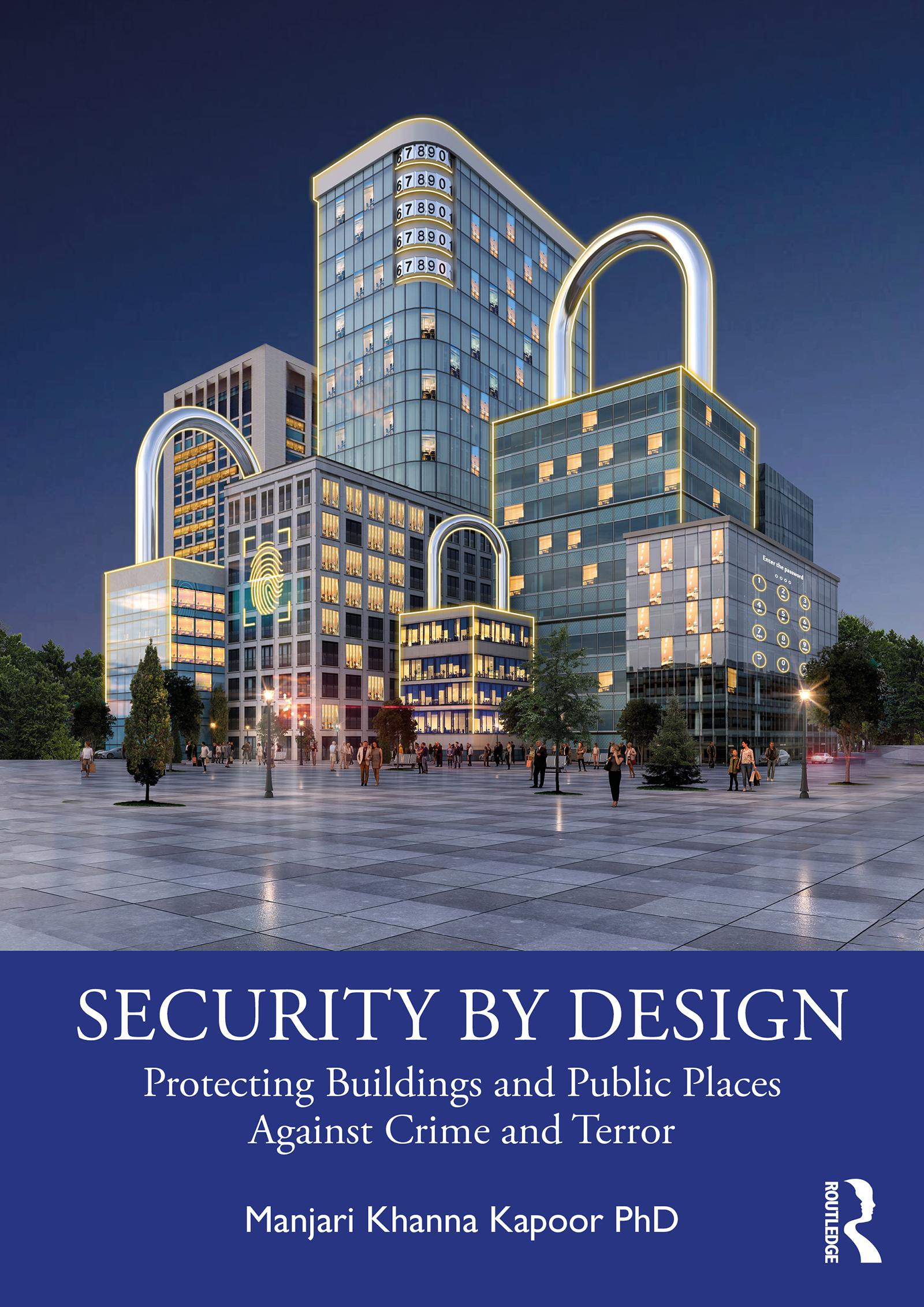
This is a book about the intersection of architecture and security, about effective crime prevention and counterterror using the built form. While security professionals continue their strive towards alleviating our fear of crimes, and whilst methodologies like CPTED (Crime Prevention Through Environmental Design) have demonstrated the impact of design on prevention of crime over the last five decades, too many built environment professionals are not aware of these strategies.
This book starts with the premise that there is a huge role for the design fraternity (namely architects and planners) in achieving realistic, efficient and permanent results, and ultimately in creating a safer world. It seeks to present such strategies in a palatable way and encourage professionals to incorporate security thinking into their design process as second nature.
Combining international case studies including One World Trade Centre, New York; WHO Headquarters Extension Building, Geneva; and the Akshardham Temple, New Delhi, along with numerous examples from the author’s professional career, this book offers a systematic approach to integrating security into built environment design for easy adoption by architects, planners, security professionals and policymakers.
Betal nemt med kort, Klarna, Apple Pay eller Google Pay. Ikke tilfreds? Du har altid 14 dages fortrydelsesret. Læs mere i vores vilkår. Har du spørgsmål, så send os en mail på hello@memmo.org.
Memmo gør det nemmere at studere – uanset hvor du er i verden. Hos os samler du dine kursusbøger og smarte studieværktøjer ét sted: resuméer, quizzer, podcasts og flashcards. Og så er der Ted, din studieven, der svarer på alt, du undrer dig over. Over 50 000 studerende studerer allerede her – bygget til at hjælpe dig med at lære hurtigere og stresse mindre.