
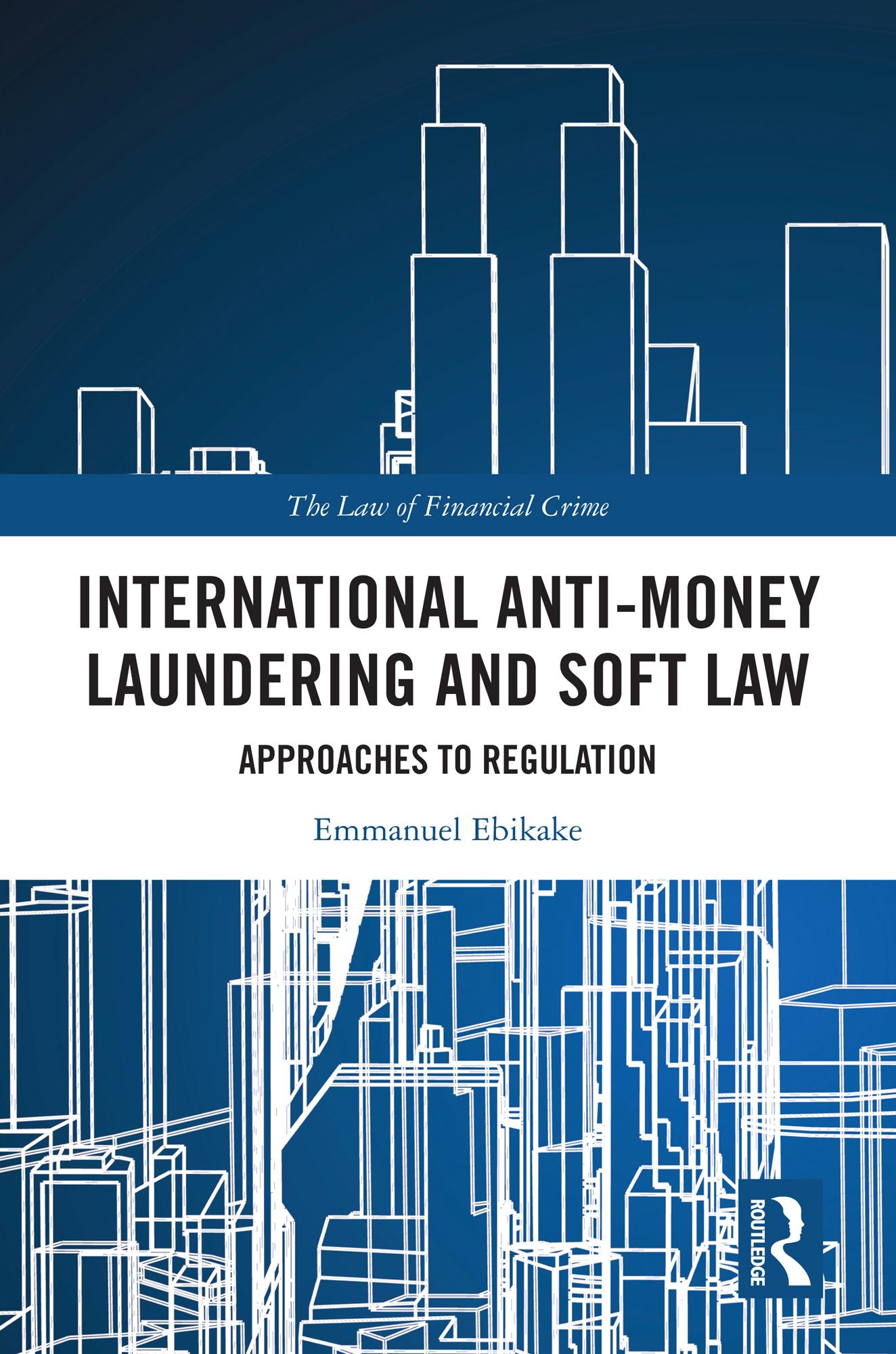
Adopting a mixed-methods approach, this book assesses the role of soft law as a technique to repress and prevent money laundering.
The consequence of the combination of a non-traditional subject matter with the limitations of traditional international law instruments has meant that lawmakers seeking international solutions to the problems of money laundering have had to innovate. This book addresses two fundamental issues in the context of existing international and domestic responses to the problem of money laundering that have hitherto been neglected. These include the nature of the treaty obligations to criminalise money laundering, and the role of soft law as a technique to regulate it globally. The book concludes that international legal harmonisation and approximation of domestic anti-money laundering law through soft law remains helpful in addressing this pressing problem.
The book will be of interest to academics, researchers, and policy-makers working in the areas of Financial Crime, Anti-Money Laundering Law, Regulation, International Soft Law, and Comparative Law.
Betal nemt med kort, Klarna, Apple Pay eller Google Pay. Ikke tilfreds? Du har altid 14 dages fortrydelsesret. Læs mere i vores vilkår. Har du spørgsmål, så send os en mail på hello@memmo.org.
Memmo gør det nemmere at studere – uanset hvor du er i verden. Hos os samler du dine kursusbøger og smarte studieværktøjer ét sted: resuméer, quizzer, podcasts og flashcards. Og så er der Ted, din studieven, der svarer på alt, du undrer dig over. Over 50 000 studerende studerer allerede her – bygget til at hjælpe dig med at lære hurtigere og stresse mindre.