
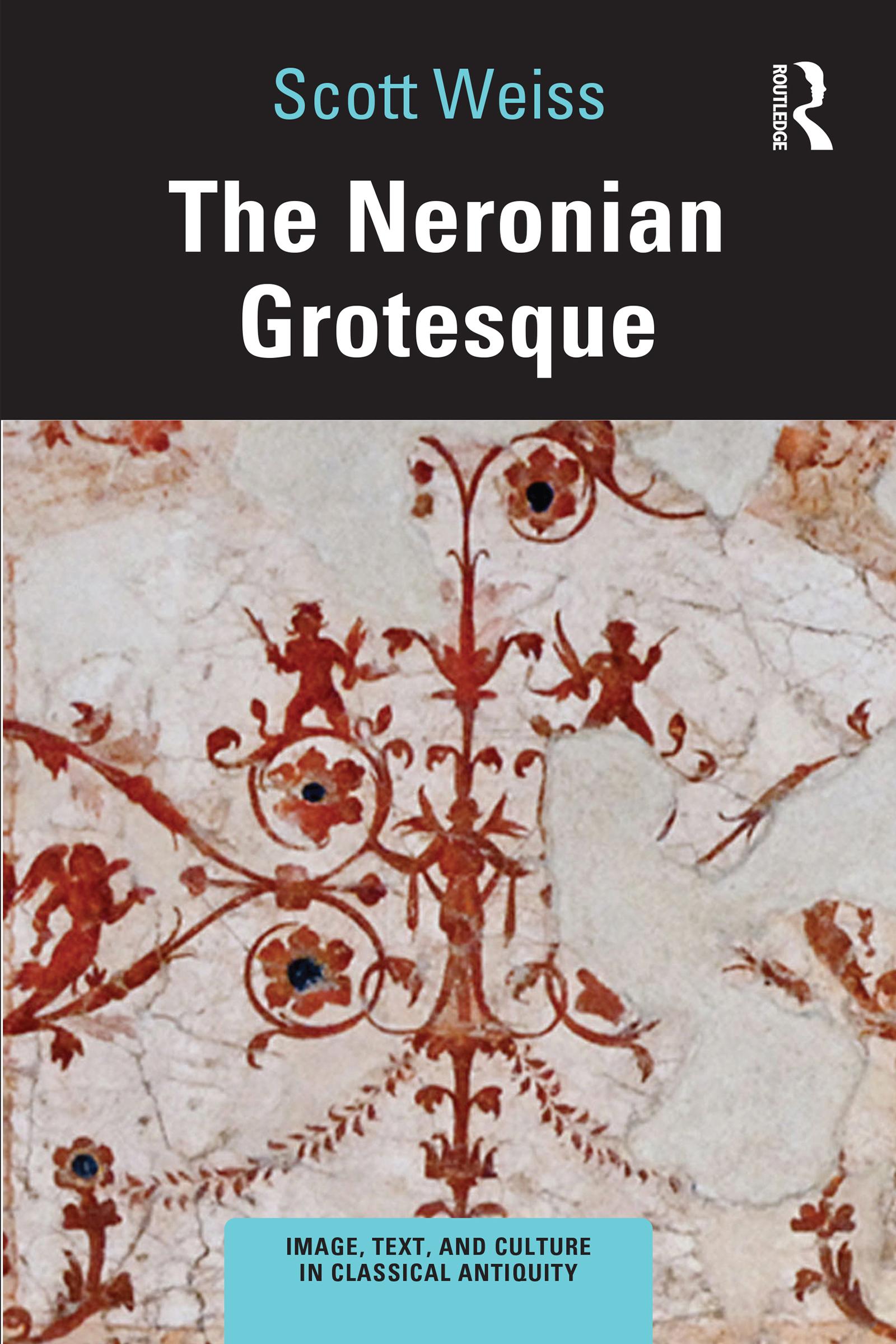
During the reign of Nero, Roman culture produced some of its most spectacular works of art and literature, and some of its strangest. This study explores these effects across textual and visual media in an integrated way.
Weiss' analysis allows for appreciation of the shared strategies of composition, overlaps between literary and visual rhetoric, the role of context in shaping the reception of a work, and the authority of the reader/viewer to generate meaning. The volume offers an account of Roman visual-literary interactions in the mid-first century ᴄᴇ that considers these dynamics as informing broad cultural phenomena. The results reveal features pervasive in a literary and artistic culture invested in exploring the edges of expression.
The Neronian Grotesque is a fascinating study on the literary and artistic production in the Neronian period, and has wider implications for anyone working in the field of Roman cultural history and visual studies more broadly.
Betal nemt med kort, Klarna, Apple Pay eller Google Pay. Ikke tilfreds? Du har altid 14 dages fortrydelsesret. Læs mere i vores vilkår. Har du spørgsmål, så send os en mail på hello@memmo.org.
Memmo gør det nemmere at studere – uanset hvor du er i verden. Hos os samler du dine kursusbøger og smarte studieværktøjer ét sted: resuméer, quizzer, podcasts og flashcards. Og så er der Ted, din studieven, der svarer på alt, du undrer dig over. Over 50 000 studerende studerer allerede her – bygget til at hjælpe dig med at lære hurtigere og stresse mindre.