
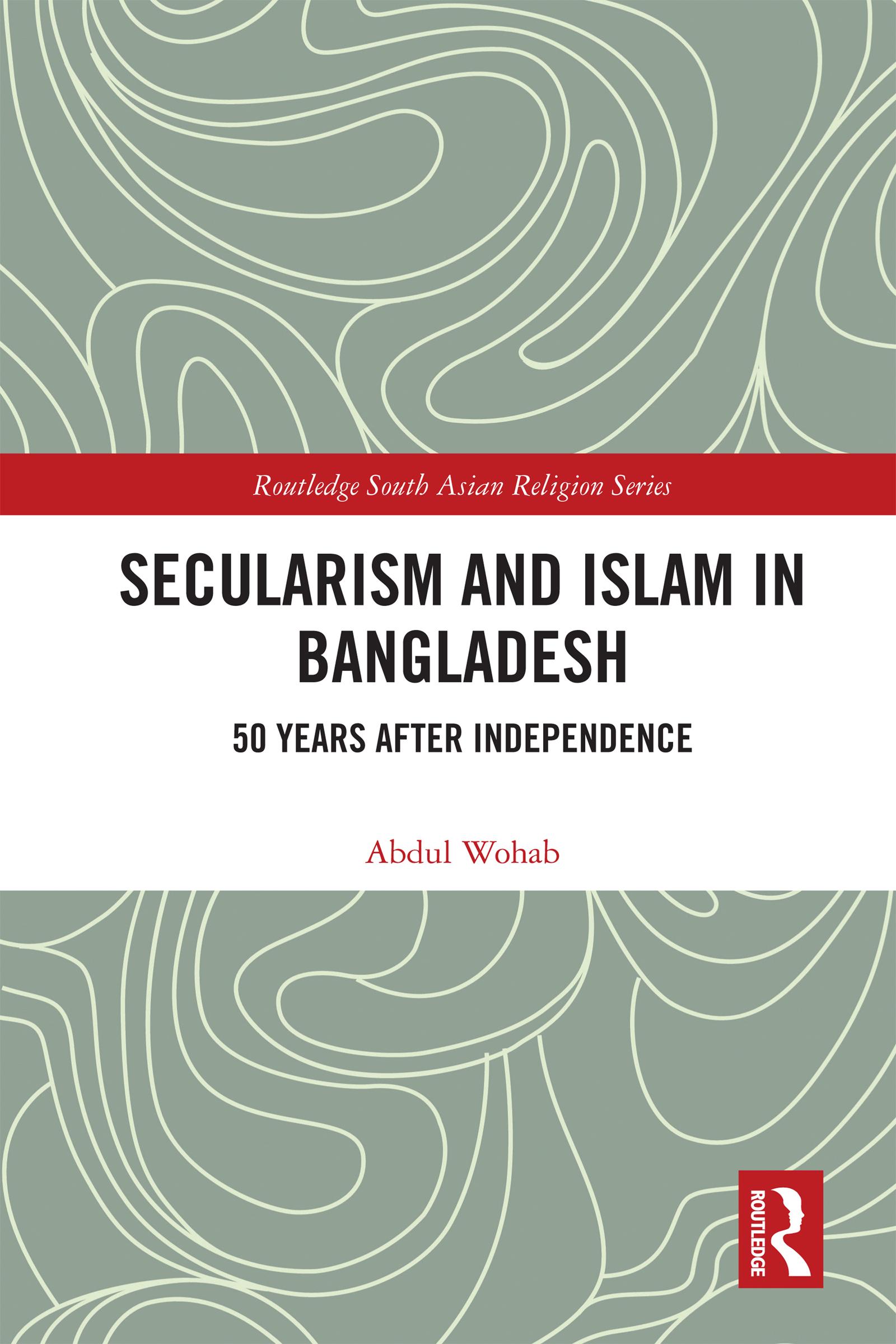
Secularism and Islam in Bangladesh comprehensively analyses the syncretistic form of Bengali Islam and its relationship with secularism in Bangladesh from pre-British to contemporary times. It focuses on the importance of understanding the dynamics between religion and secularism within specific cultural contexts.
The author draws upon historical, sociological, and political literature, Bangladeshi electoral results, newspaper reports, and elite interviews with political commentators and offers a rich historical and empirical analysis. Arguing that extremist interpretations of Islam, which aim to establish a theocratic state, have not been able to influence the pluralistic religious and cultural life of Bangladesh substantially, the book shows that religious and cultural pluralism will continue to thrive despite the apparent threat posed by increasing religiosity among Bangladeshi Muslims.
This book is a timely and significant contribution to the discourse on secularism and Islam, with relevance beyond Bangladesh and the wider Islamic world. It will appeal to scholars and researchers working in the fields of South Asian studies, Asian religions, and the sociology of religion.
Betal nemt med kort, Klarna, Apple Pay eller Google Pay. Ikke tilfreds? Du har altid 14 dages fortrydelsesret. Læs mere i vores vilkår. Har du spørgsmål, så send os en mail på hello@memmo.org.
Memmo gør det nemmere at studere – uanset hvor du er i verden. Hos os samler du dine kursusbøger og smarte studieværktøjer ét sted: resuméer, quizzer, podcasts og flashcards. Og så er der Ted, din studieven, der svarer på alt, du undrer dig over. Over 50 000 studerende studerer allerede her – bygget til at hjælpe dig med at lære hurtigere og stresse mindre.