
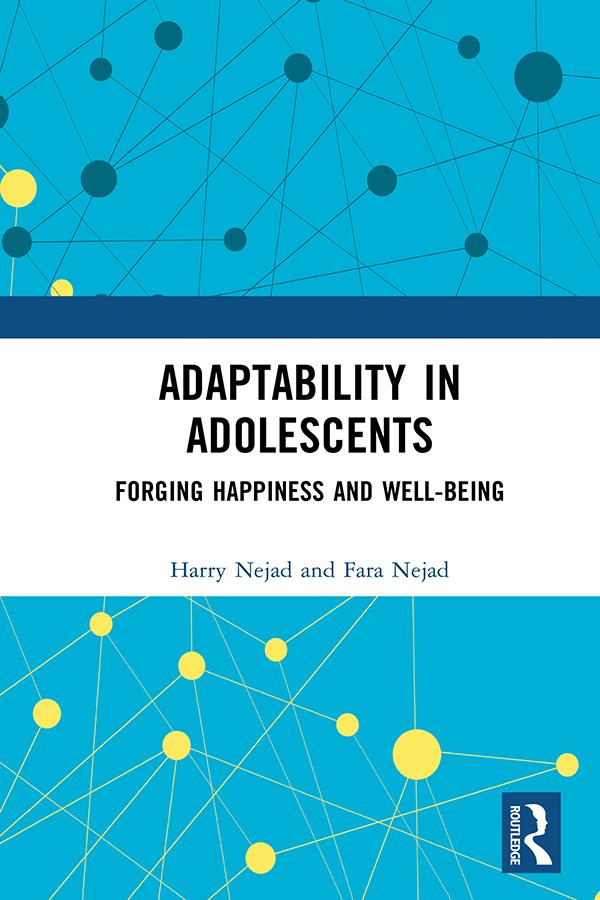
This book discusses a newly developed concept of adaptability capacity and development as an extension of Charles Darwin’s work on adaptability. It looks at how the human mind uses adaptability resources to deal with life-changing, challenging, and varying circumstances and conditions. The volume presents an integrative process model that assesses the roles of socio-demographic and ability covariates, personality, and other dispositional presage factors in predicting psychological well-being outcomes, such as life satisfaction, happiness, and self-esteem. While exploring the concept of adaptability capacity, the volume focuses on making children and adolescents mentally, emotionally, and behaviorally adaptable. It discusses general and domain-specific constructs relevant to phenomena such as self-regulation, resilience, buoyancy, and coping mechanisms. The book focuses on the development and utilization of treatments to assist individuals in becoming positively adaptable and achieve a higher degree of positive well-being and self-actualization.
An important contribution, this book will be of interest to students, researchers and teachers of psychology, educational psychology, and social work. It will also be helpful for academicians, mental health professionals, social workers, psychiatrists, counsellors, and those working in related areas.
Betal nemt med kort, Klarna, Apple Pay eller Google Pay. Ikke tilfreds? Du har altid 14 dages fortrydelsesret. Læs mere i vores vilkår. Har du spørgsmål, så send os en mail på hello@memmo.org.
Memmo gør det nemmere at studere – uanset hvor du er i verden. Hos os samler du dine kursusbøger og smarte studieværktøjer ét sted: resuméer, quizzer, podcasts og flashcards. Og så er der Ted, din studieven, der svarer på alt, du undrer dig over. Over 50 000 studerende studerer allerede her – bygget til at hjælpe dig med at lære hurtigere og stresse mindre.