
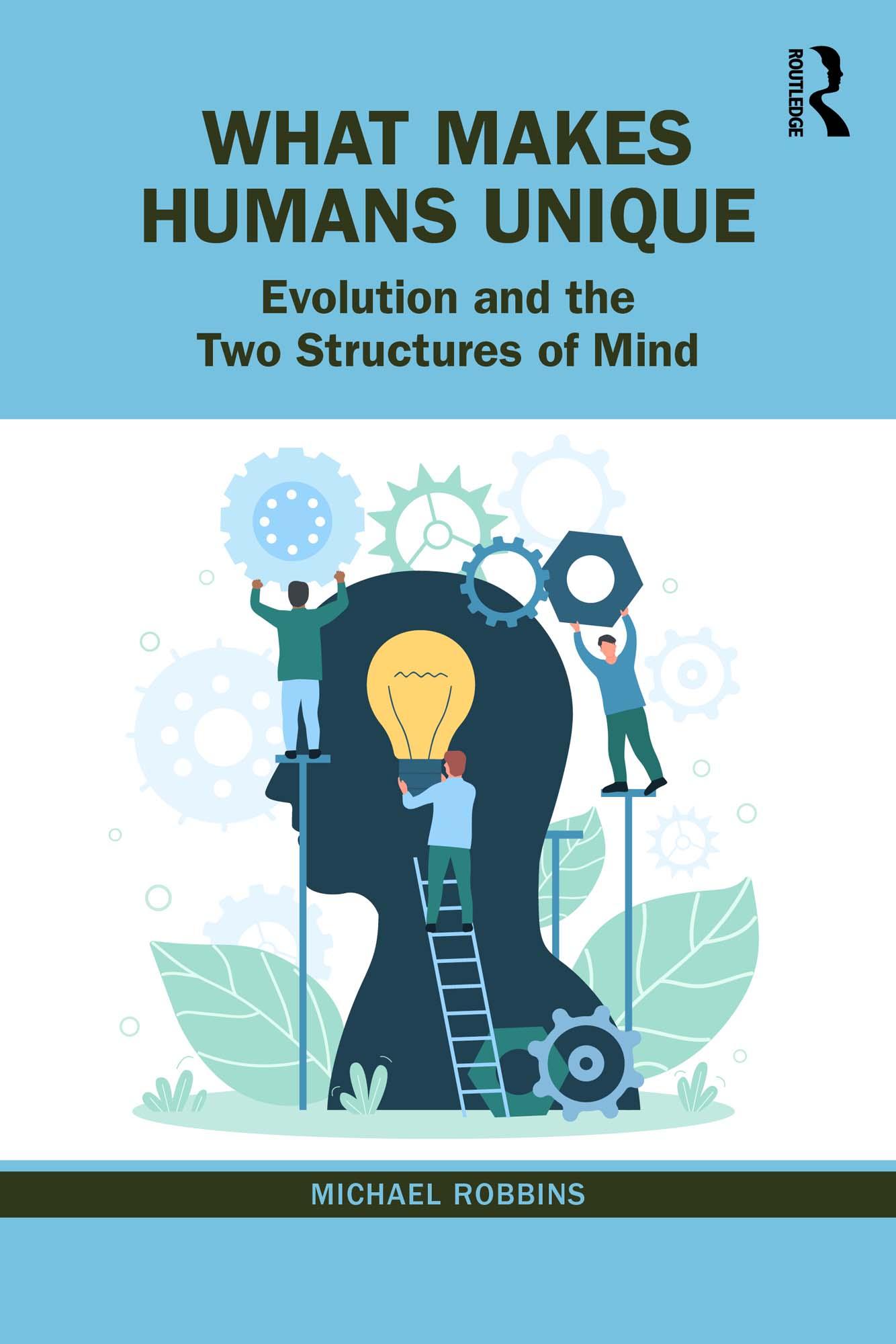
Through an integrated multi-disciplinary theory, Michael Robbins proposes that the human mind consists of two mental structures: the one we share with other animate creatures and a capacity for reflective representational thought which is unique.
As an alternative to Freud’s model of the human mind as structured by the id, ego, and superego, this book contends that the prolonged period of post-natal immaturity – otherwise known as neoteny – which is specific to humans, gives rise to reflective representational thought that in turn allows for the acquisition of complex knowledge. Robbins examines how Freud’s conception of the human mind was limited by his ignorance of the related disciplines of sociology, primatology, cultural anthropology, and most notably evolution, which were then in their infancy, to explore the implications of the non-unitary nature of the human mind for us as individuals, as a society, and for our future as a species.
Drawing on a broad range of influences from psychoanalysis to anthropology, biology, psychology, sociology, and politics, this book will be of interest to students and scholars of these disciplines alike.
Betal nemt med kort, Klarna, Apple Pay eller Google Pay. Ikke tilfreds? Du har altid 14 dages fortrydelsesret. Læs mere i vores vilkår. Har du spørgsmål, så send os en mail på hello@memmo.org.
Memmo gør det nemmere at studere – uanset hvor du er i verden. Hos os samler du dine kursusbøger og smarte studieværktøjer ét sted: resuméer, quizzer, podcasts og flashcards. Og så er der Ted, din studieven, der svarer på alt, du undrer dig over. Over 50 000 studerende studerer allerede her – bygget til at hjælpe dig med at lære hurtigere og stresse mindre.